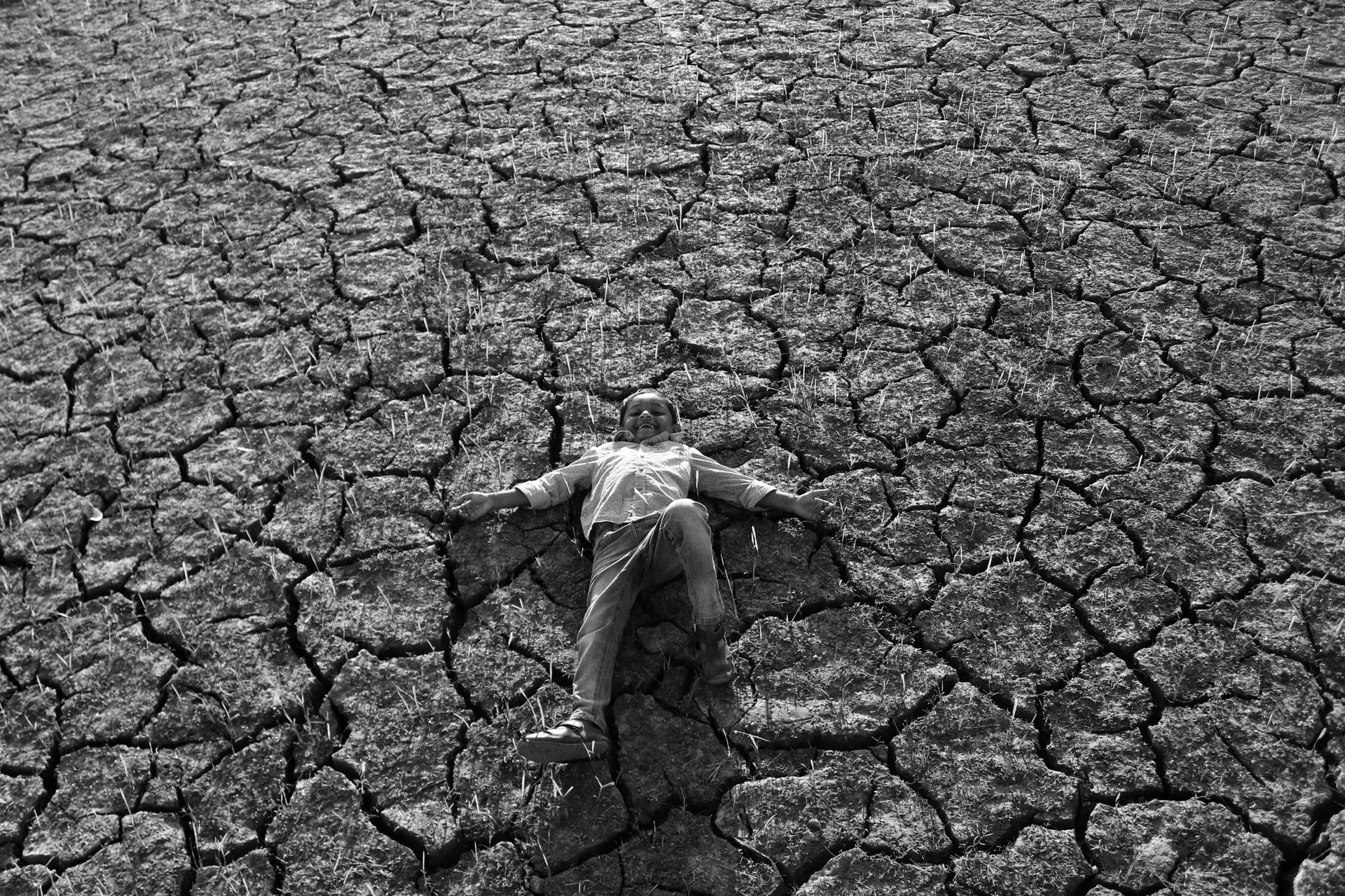
El Niño is a natural warming of the Pacific Ocean that shifts weather patterns around the world. In June 2026, forecasters warned it was developing and could reach “super El Niño” strength later in the year.
It doesn’t affect everywhere the same way. The UN says El Niño usually raises the risk of drought in Central America, Southeast Asia, the Sahel and southern Africa, and the risk of floods in East Africa and South America.
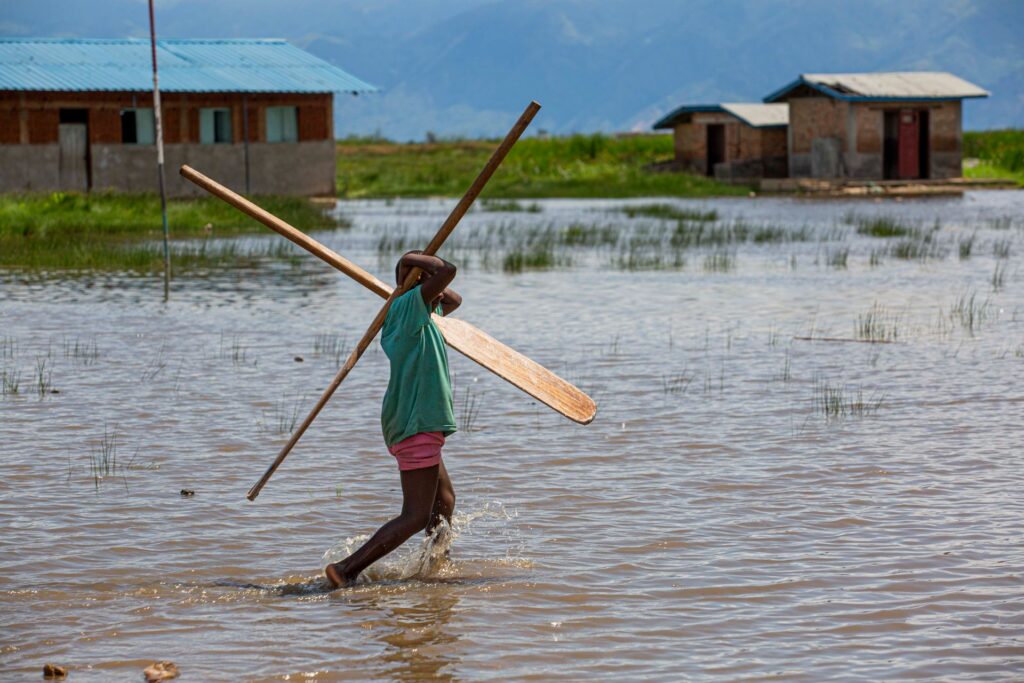
Too little here, too much there
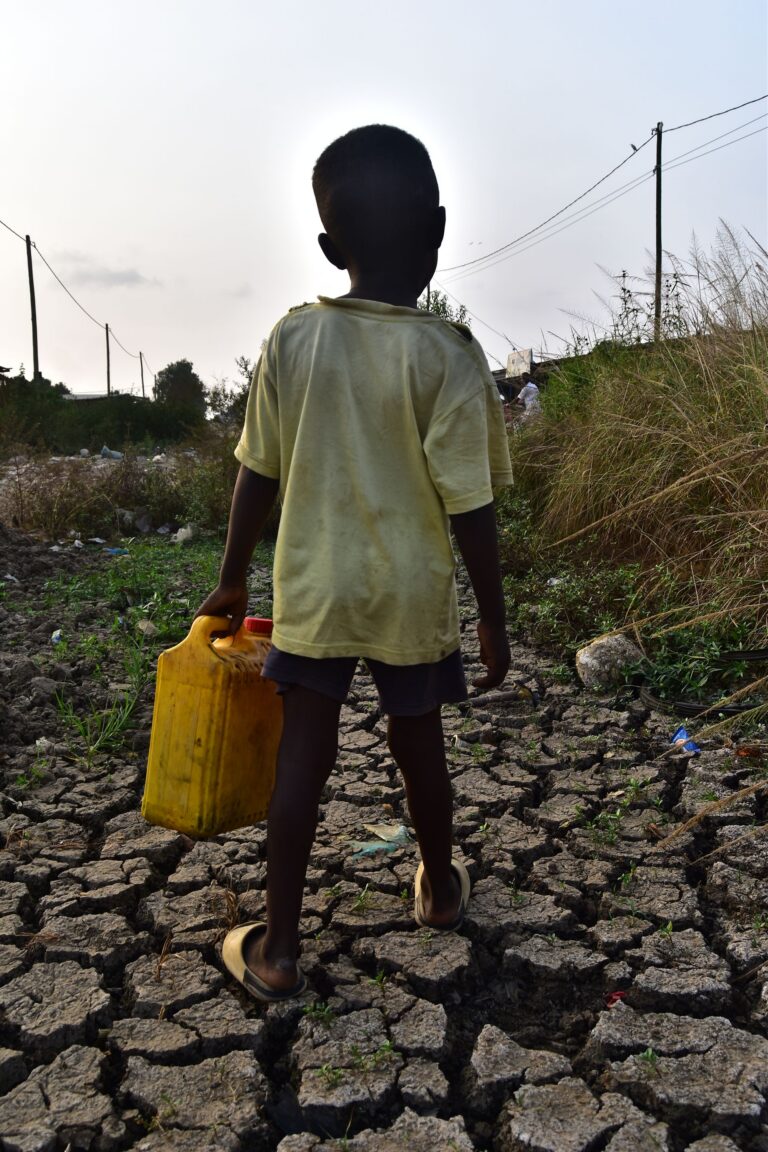
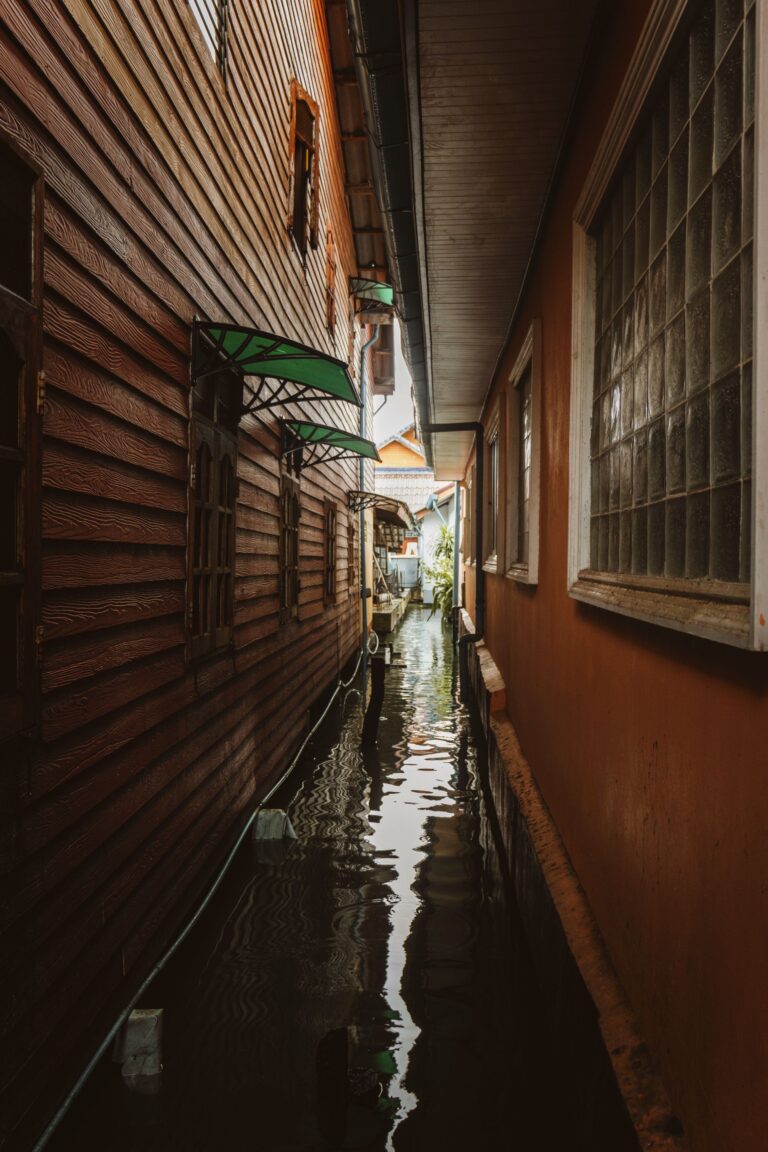
In drought regions, wells and reservoirs can run dry and crops fail. In flood regions, water sources get contaminated and disease spreads. Either way, families who already struggle for safe water are hit hardest.
By August, the US weather agency NOAA gave a more than 90% chance of a very strong El Niño through the northern winter of 2026–27.
What preparing early changes
- Storage: saving water before the dry season arrives.
- Health: protecting wells before floods hit.
- Food: planning crops and support before harvests fail.
How you can help
Share this explainer so more people understand what El Niño is. We’ll follow its effects on water through the rest of the year.
Source: World Resources Institute, “How Might a ‘Super El Niño’ Affect Food, Forests and Water?”, 3 June 2026, updated 28 August; AccuWeather, “Super El Niño could strain food and water supplies around the world”.