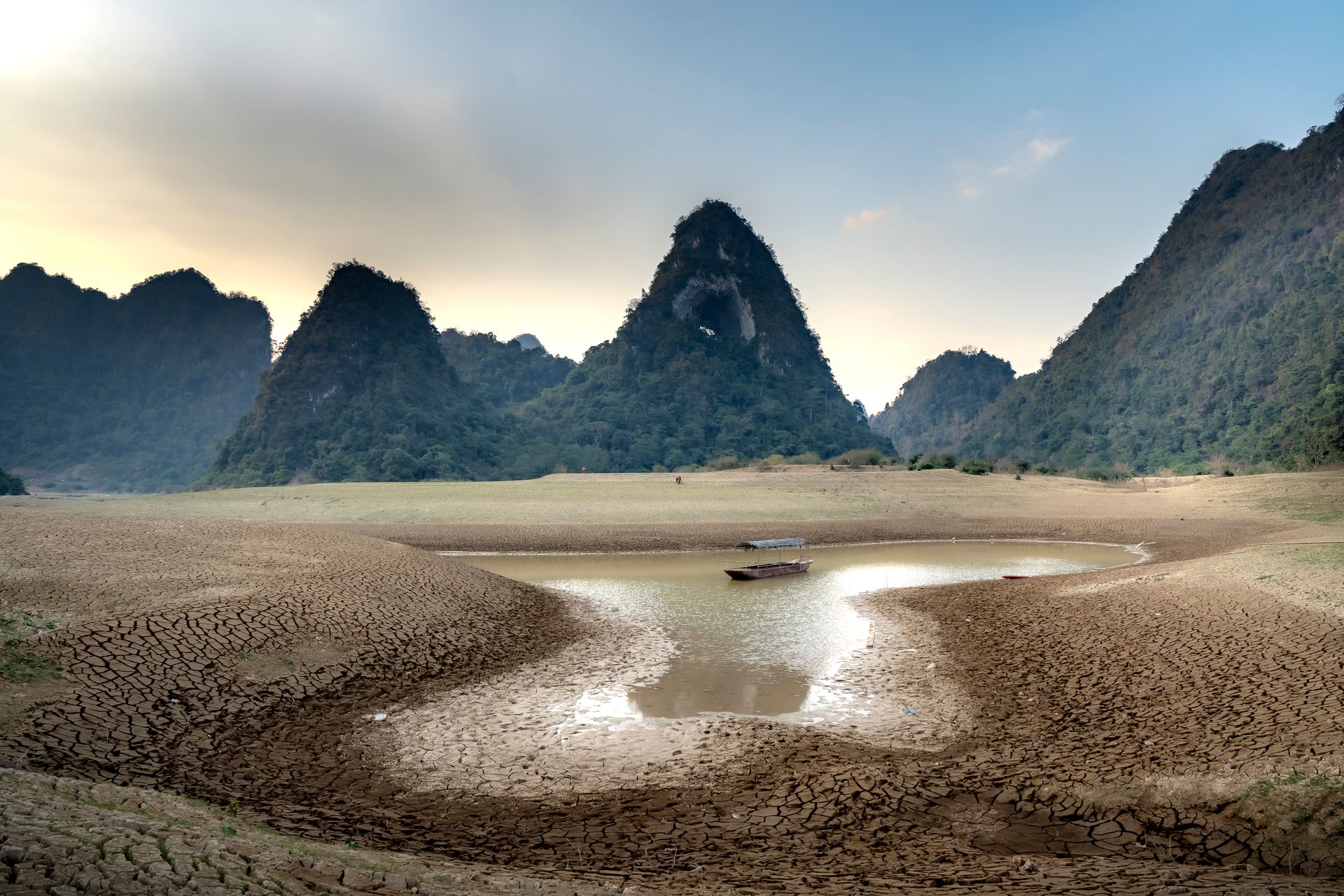
On 20 January, the UN University’s Institute for Water, Environment and Health published a report declaring an era of “global water bankruptcy”. It means using and polluting water faster than nature can replace it, to the point where some systems can’t return to how they were.
The numbers are stark. Around 2.2 billion people still lack safely managed drinking water, and nearly three-quarters of the world’s population live in countries classed as water-insecure or critically water-insecure.
For much of the world, ‘normal’ is gone
Kaveh Madani, Director, UN University Institute for Water, Environment and Health
Hidden water running out
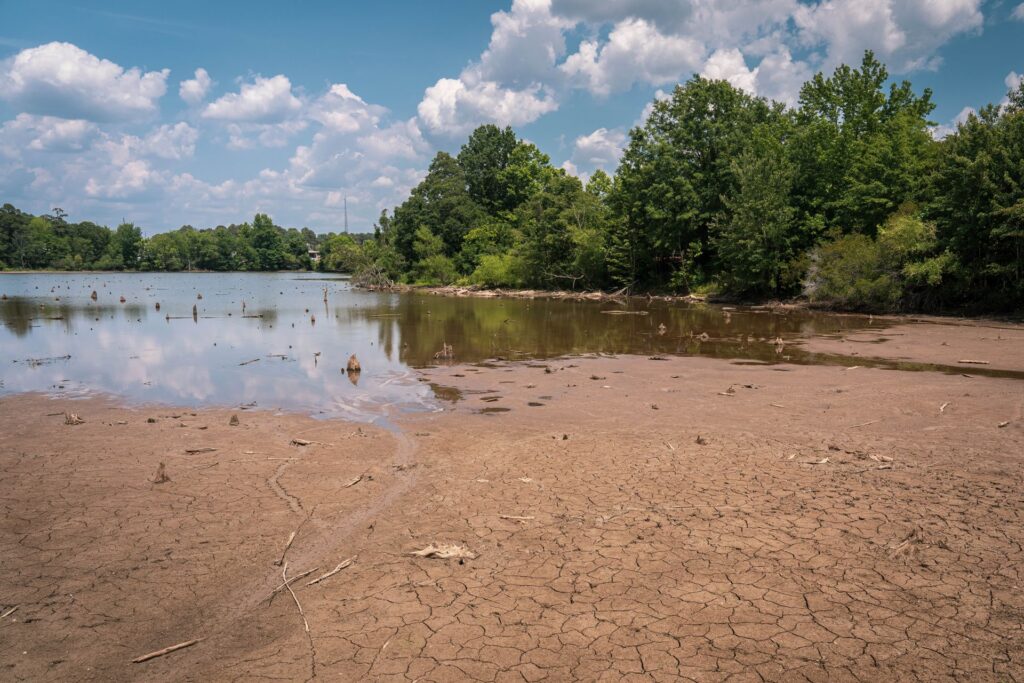
The report says more than half of the world’s large lakes have lost water since the early 1990s. Underground water is being pumped faster than it refills, and land sinking from over-pumping now affects nearly two billion people.
It calls for “bankruptcy management”: being honest about what has been lost, protecting what remains, and making sure the poorest aren’t left to carry the cost. Some scientists welcomed the warning but said the picture varies a lot from place to place.
What honest water management changes
- Protection: limits that keep rivers and aquifers from being drained.
- Fairness: vulnerable communities protected first.
- Planning: decisions based on the water that exists now, not decades ago.
How you can help
Share this story and start a conversation about where your own water comes from. The UN Water Conference takes place in December 2026, so it’s a good year to keep asking questions.
Source: UN University, “World Enters ‘Era of Global Water Bankruptcy’”, 20 January 2026; SunStar / Xinhua, 20 January 2026; Al-Monitor / AFP, 20 January 2026; quote from UN News, 20 January 2026.