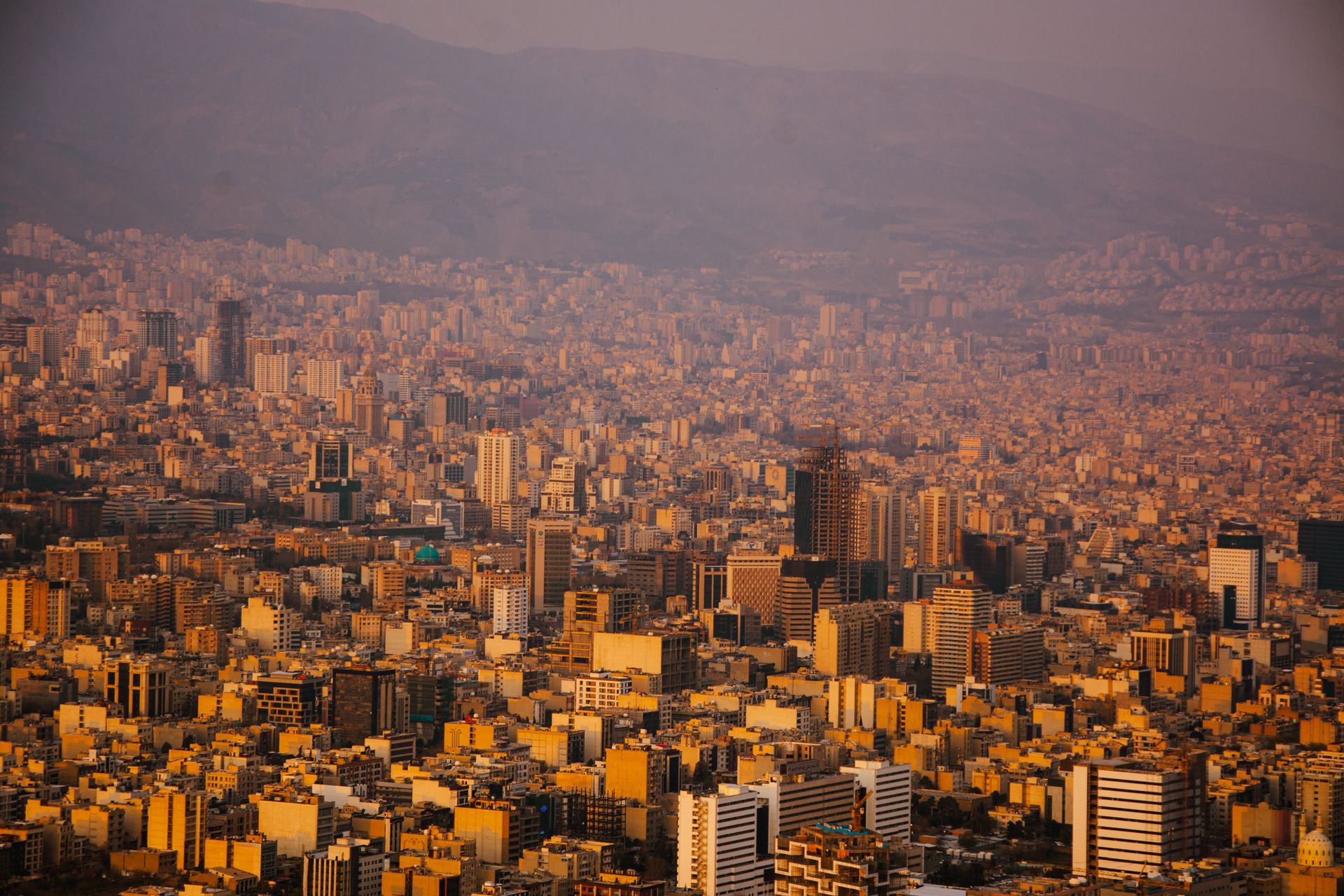
On 7 November, Iran’s President Masoud Pezeshkian gave a stark warning on state television. If rain did not come by late November or early December, Tehran would have to ration water. If the drought went on after that, people might have to leave the city.
Days earlier, the head of Tehran’s regional water company said the main reservoir had about two weeks of water left. Storage in the capital’s dams was around half of what it had been two years earlier.
If it doesn’t rain, we’ll have to start rationing water in Tehran
Masoud Pezeshkian, President of Iran
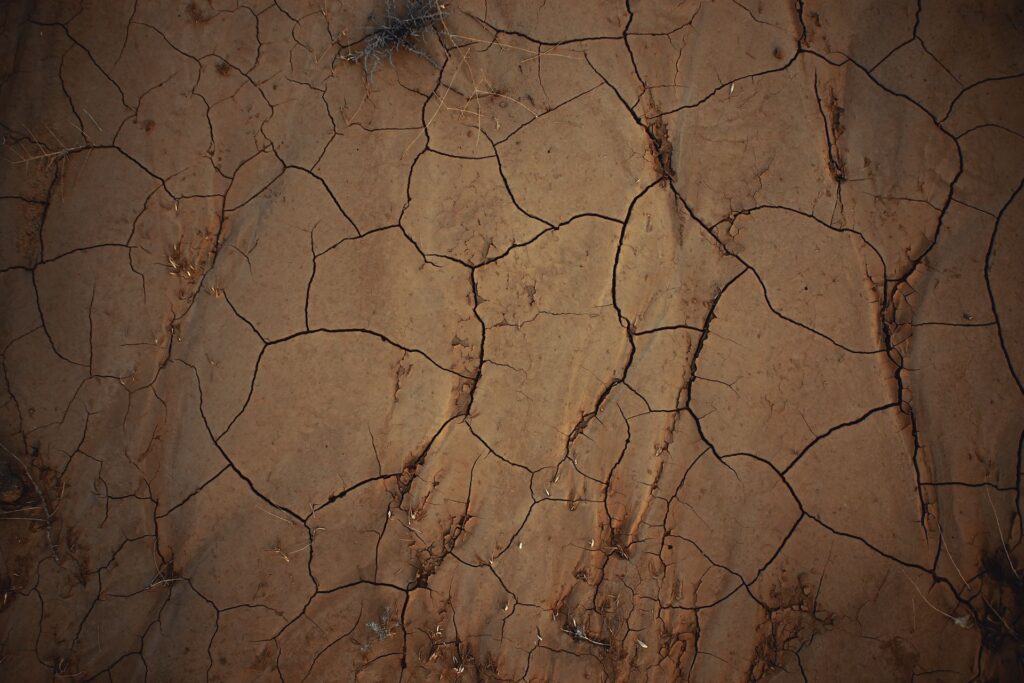
More than a lack of rain
Tehran’s water company said nightly cuts in water pressure were already being applied, and in some districts pressure could drop to zero. Across Iran, 19 major dams, about 10% of the country’s total, had effectively run dry.
Experts said decades of choices had made things worse: too many dams, illegal wells and thirsty farming. Most of Tehran’s water comes from underground, and a large share is lost through leaking pipes.
What better water management changes
- Supply: fixing leaks saves water before it is lost.
- Fairness: sharing scarce water so poorer districts aren’t cut first.
- Future: protecting underground water for the next generation.
How you can help
Share this story and think about how much water your own city uses. Follow organisations working on water security in the Middle East, and talk about why a capital city can run dry.
Source: Khaleej Times, “Iran president warns Tehran may face evacuation due to drought”, 7 November 2025; Al-Monitor / Reuters, “Tehran taps run dry as water crisis deepens across Iran”, 12 November 2025; Foreign Policy, 11 November 2025.