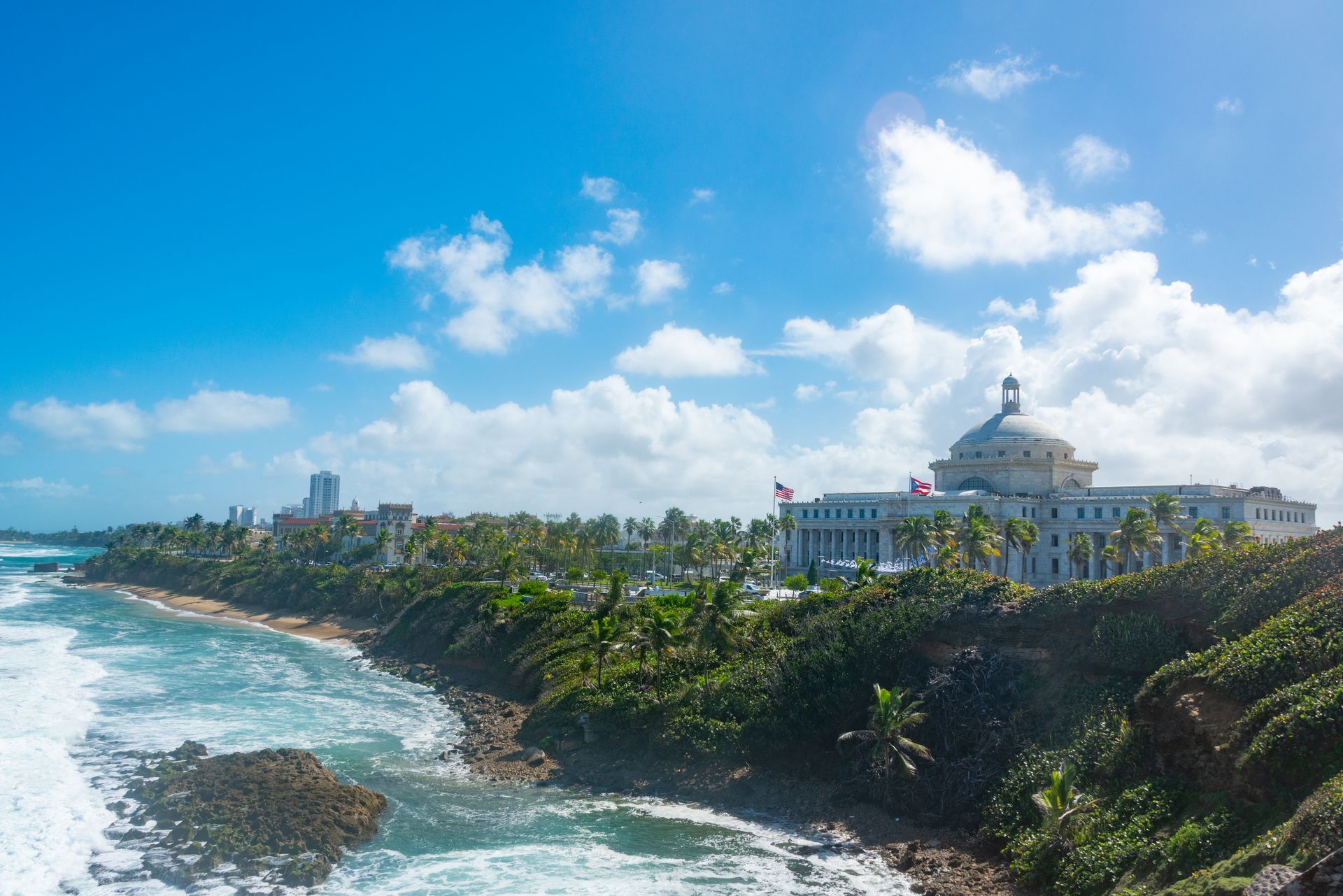
In August, Puerto Rico introduced rotating water rationing after an intense drought left the Carraizo reservoir at critically low levels. The capital, San Juan, had its driest July on record.
Nearly 68% of the island was in drought. By late August, three-quarters of the territory was in at least moderate drought.
Living with rationing
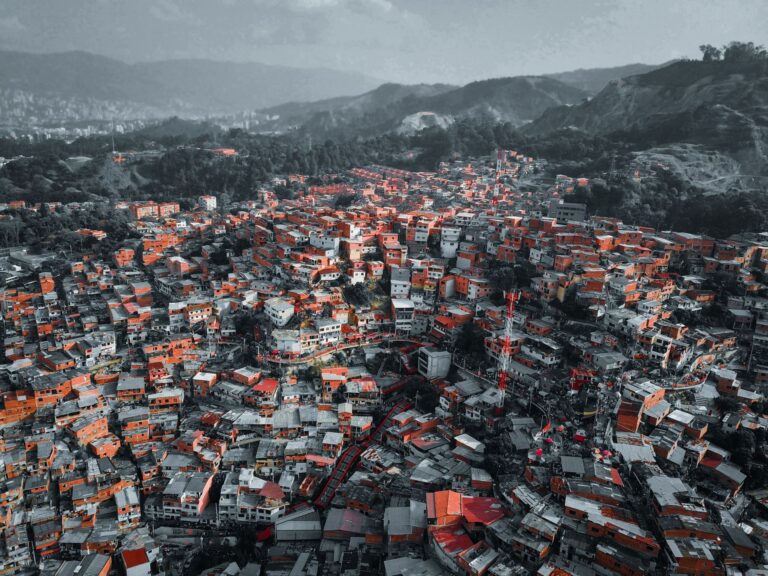
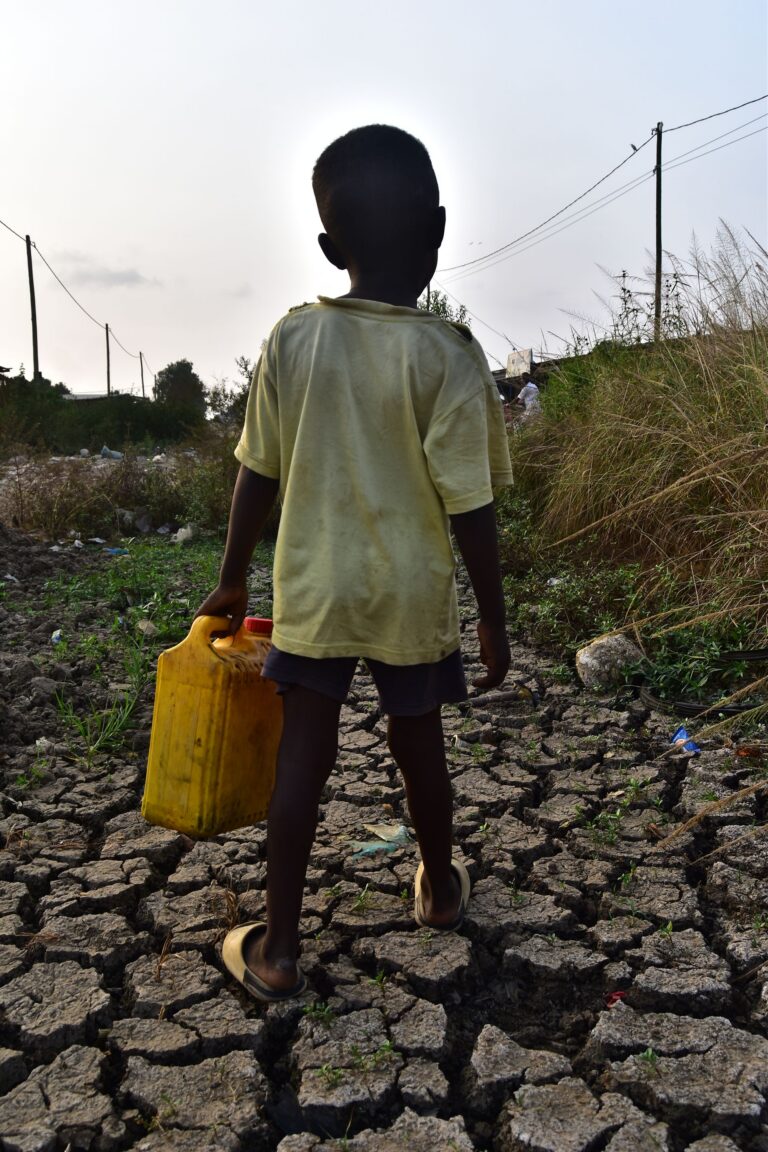
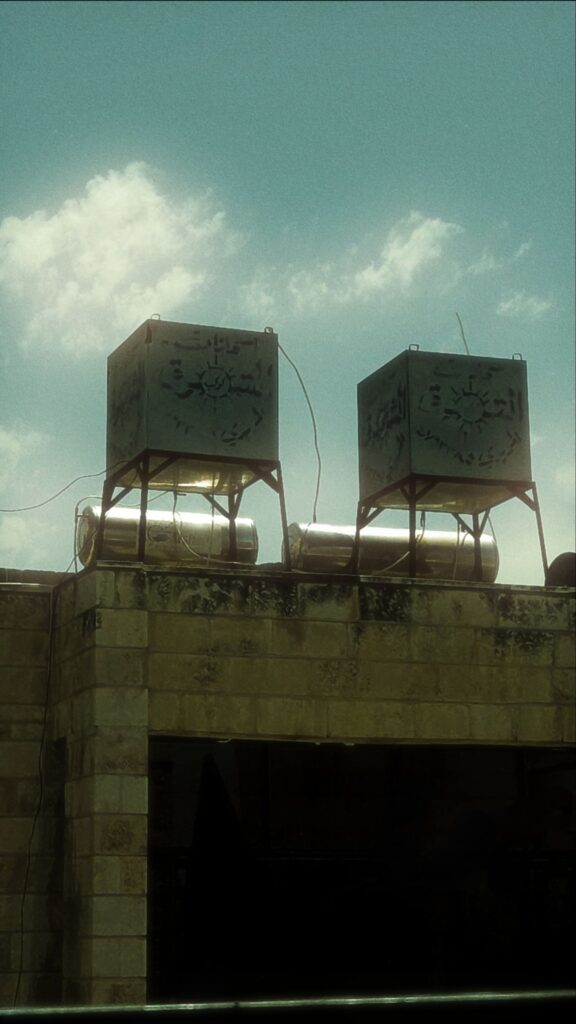
Rotating rationing means neighbourhoods take turns going without running water. Families fill buckets and bottles while the taps run, and businesses and schools have to plan around the cuts.
The drought fits a wider pattern: El Niño often brings drier conditions to the Caribbean.
What better water planning changes
- Storage: reservoirs kept clear of silt so they hold more water.
- Saving: fixing leaks so less is lost before it reaches homes.
- Fairness: rationing shared evenly across neighbourhoods.
How you can help
Share this story and think about how you’d cope if your taps ran on a schedule. Follow organisations working on water resilience in the Caribbean.
Source: World Economic Forum, “Strong El Niño could deepen hunger crisis”, 12 August 2026; ScienceDaily, on drought extent.