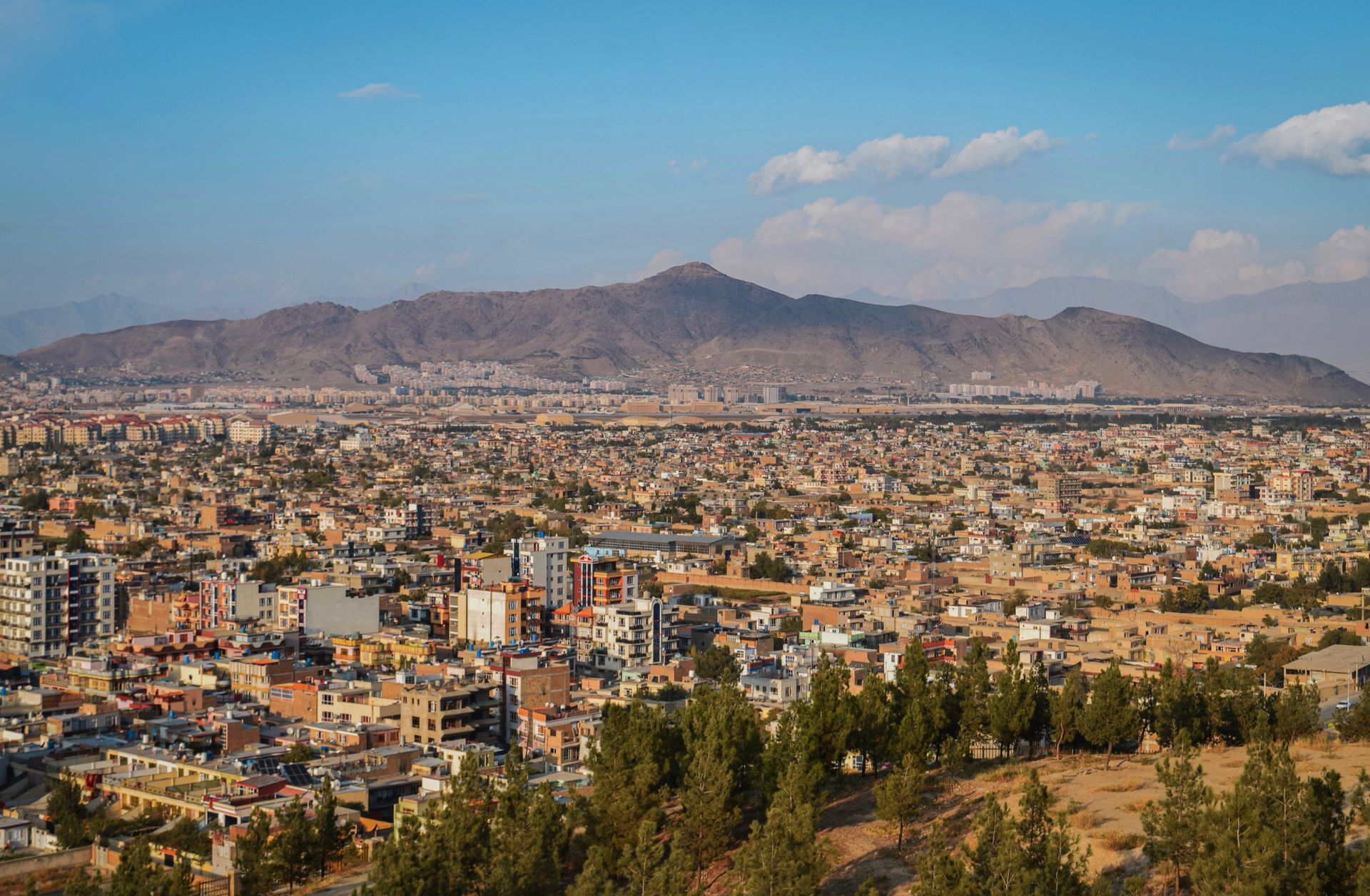
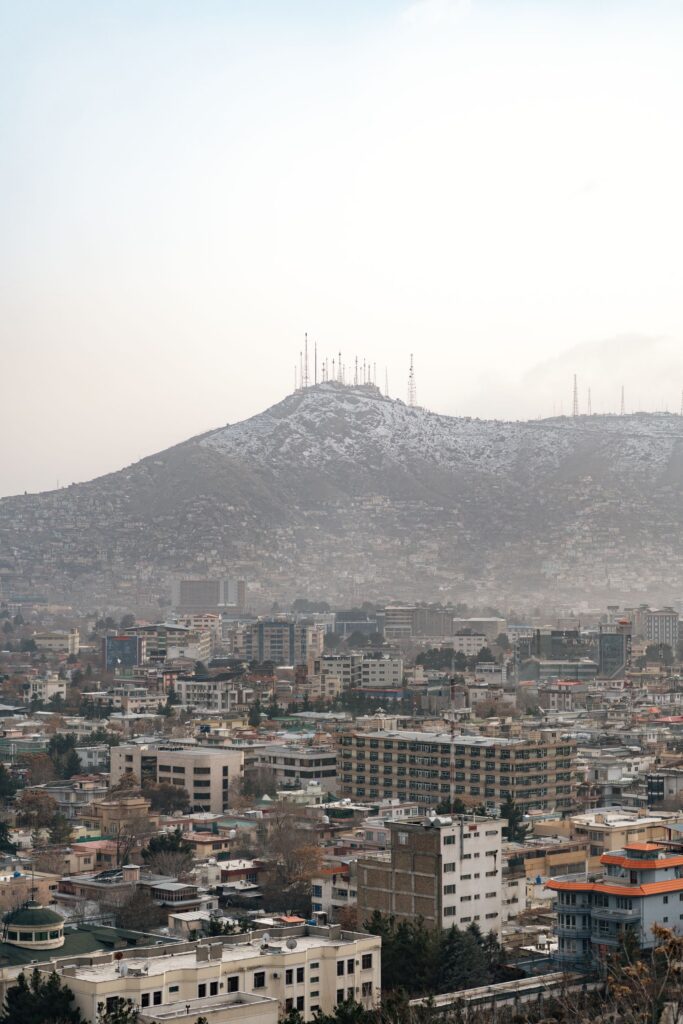
Kabul sits in a high mountain valley and gets most of its water from wells. A 2025 report found the city’s aquifers had dropped by 25–30 metres over the past decade, and some wells now have to be dug as deep as 150 metres.
Repeated droughts have meant less snow on the mountains, and less meltwater to refill the ground. In areas like Deh Mazang, families who can’t afford trucked water collect well water from mosques that isn’t safe to drink.
The water situation in Kabul city is in a critical state
Qari Matiullah Abid, spokesman, Afghanistan’s Ministry of Water and Energy
More people, less water
Experts say Kabul’s population growth would have caused a crisis even without climate change. Beverage companies and greenhouses pumping large amounts of groundwater have made it worse, and paved-over land stops rain soaking back in.
Authorities have built small check dams and thousands of absorption wells, and restricted commercial pumping. Two major projects that could help have been delayed. Studies warn the city could run out of groundwater by 2030.
What clean water changes in Kabul
- Health: safe drinking water instead of untreated well water.
- Fairness: poorer families not priced out by water sellers.
- Future: recharging the ground so wells don’t run dry.
How you can help
Share this story to keep Afghanistan’s water crisis in view. Follow organisations working on safe water in Afghanistan.
Source: AP via WTOP, “Afghanistan’s capital is in the grip of a water crisis”, April 2026; NewsAR summary of AP, 14 April 2026; Al-Ahram / AFP, on the 2030 warning, 14 May 2026.