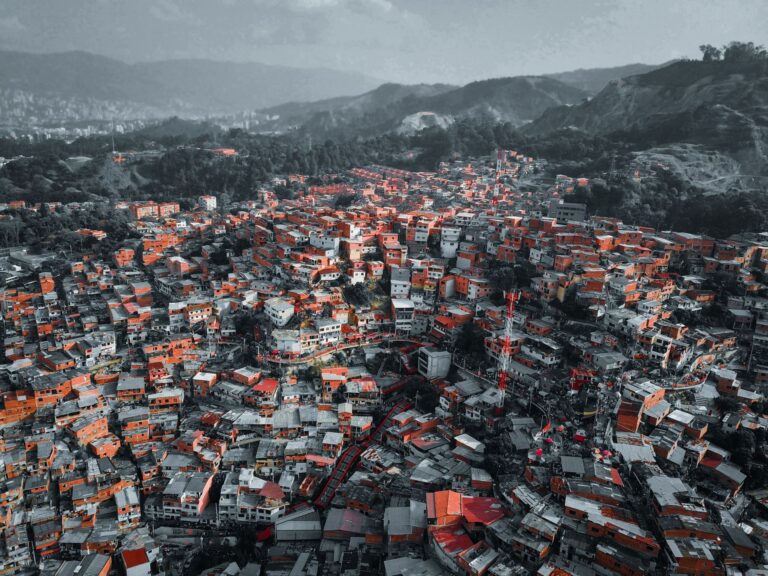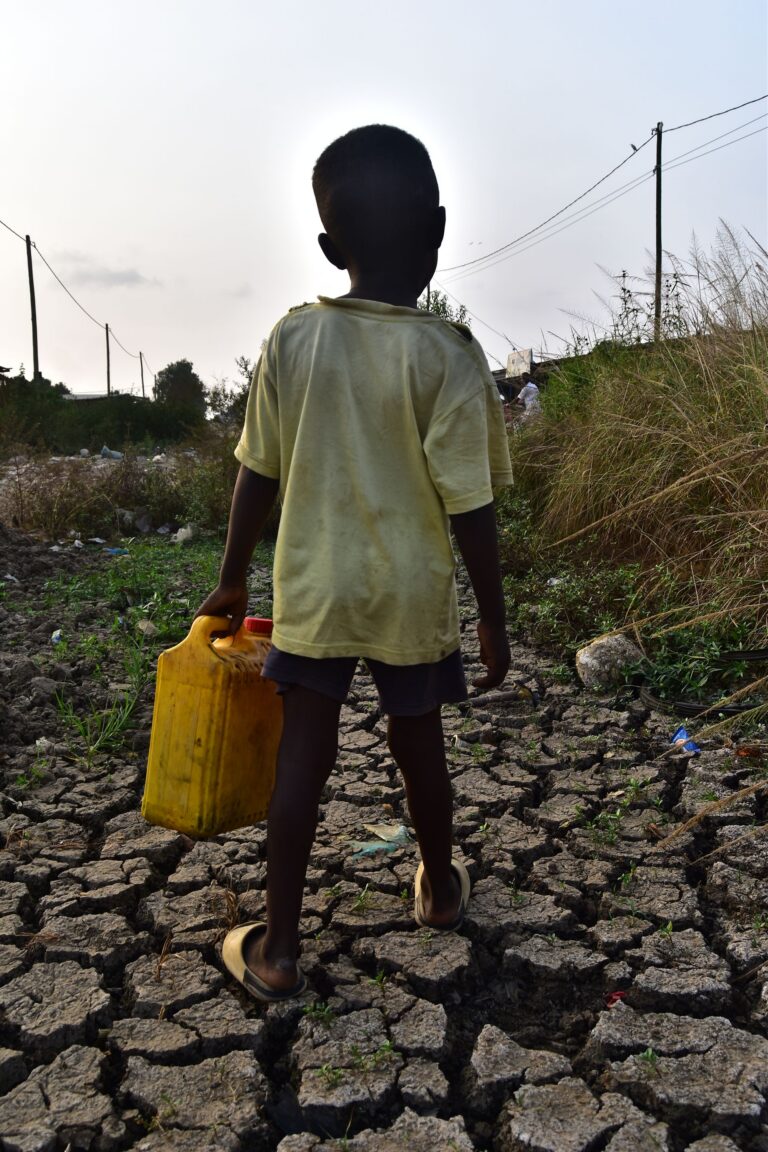
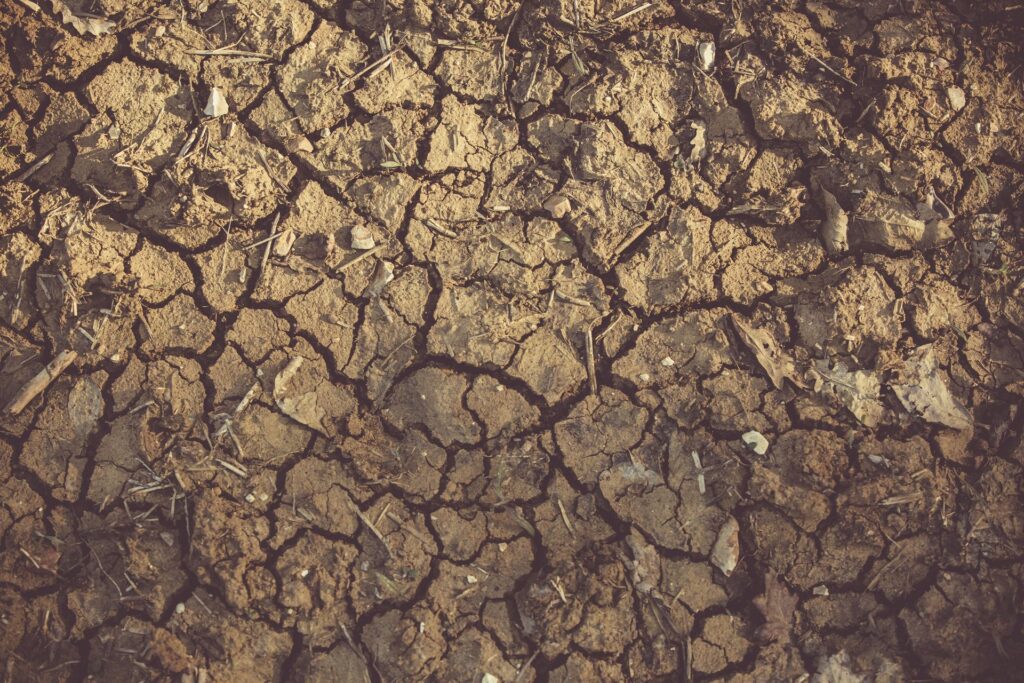
By late May, India’s heatwave had turned into a water emergency. Temperatures in Rajasthan reached 48.3°C. Water levels in 166 monitored reservoirs fell by nearly 8 billion cubic metres in just two weeks, from 30 April to 14 May, and 13 major reservoirs dropped below half their normal level.
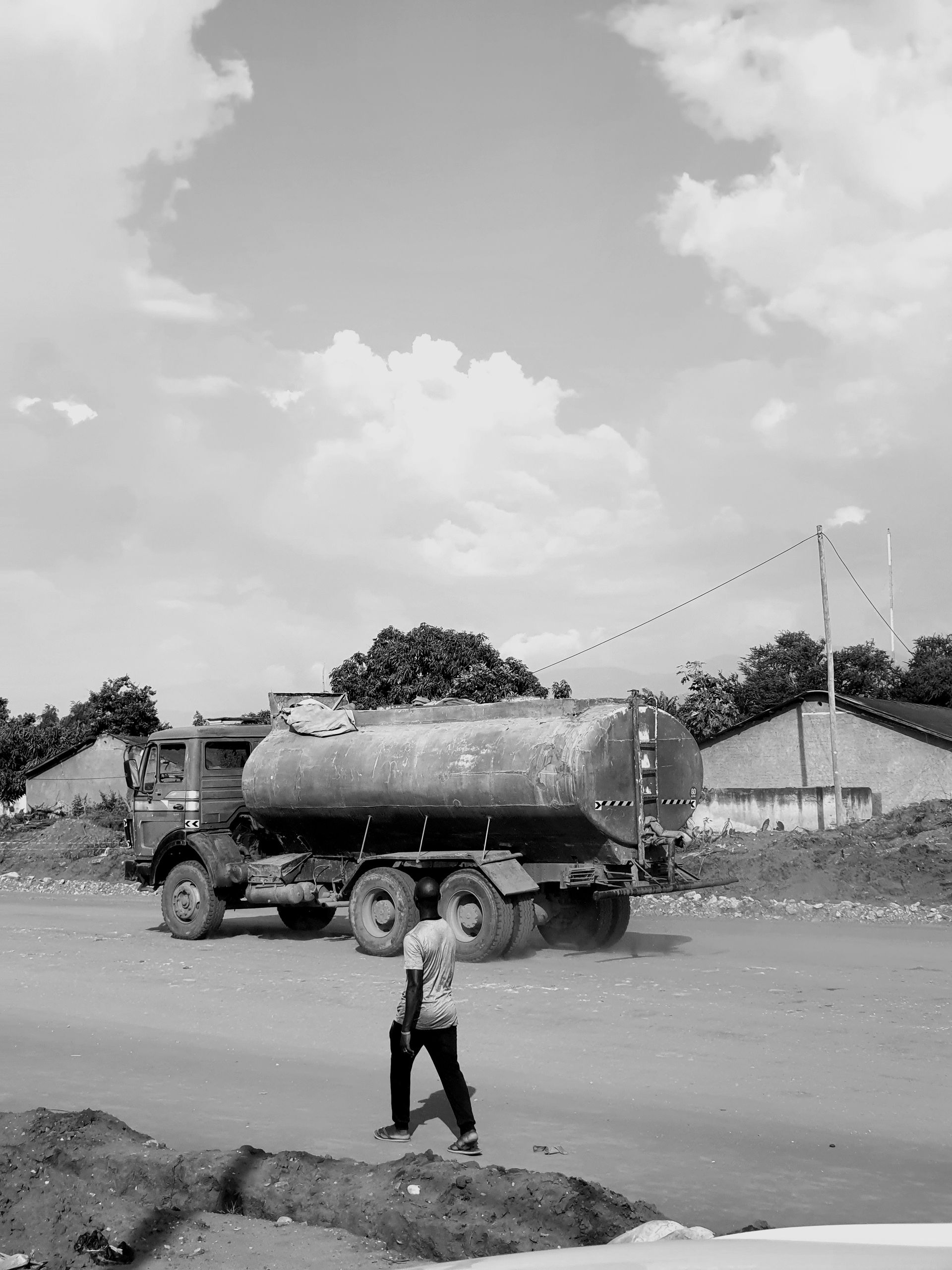
Delhi sent out GPS-tracked water tankers, and Maharashtra began round-the-clock water supply operations in affected areas.
extreme heat becomes far deadlier when even water begins to disappear
The Federal
Leaks and waste make it worse
Analysts pointed to deep problems behind the shortage. Cities lose 25–40% of their water through leaks, and traditional flood irrigation on farms can waste up to 80%. Cattle and goats died from heat and thirst in some areas.
India is responding with rainwater harvesting and smart water meters in cities like Surat, Pune and Chennai.
What better water management changes
- Supply: fixing leaks saves water before it is lost.
- Farming: efficient irrigation leaves more for people.
- Heat safety: reliable drinking water through the hottest weeks.
How you can help
Share this story and think about small ways to save water in hot weather. Follow organisations working on water security in India.
Source: The Federal, “Deadly summer: Heat wave crisis deepens as water shortages grip India”, 28 May 2026; Drishti IAS, citing Central Water Commission data, 28 May 2026; Siffo Pipeline News, 28 May 2026.