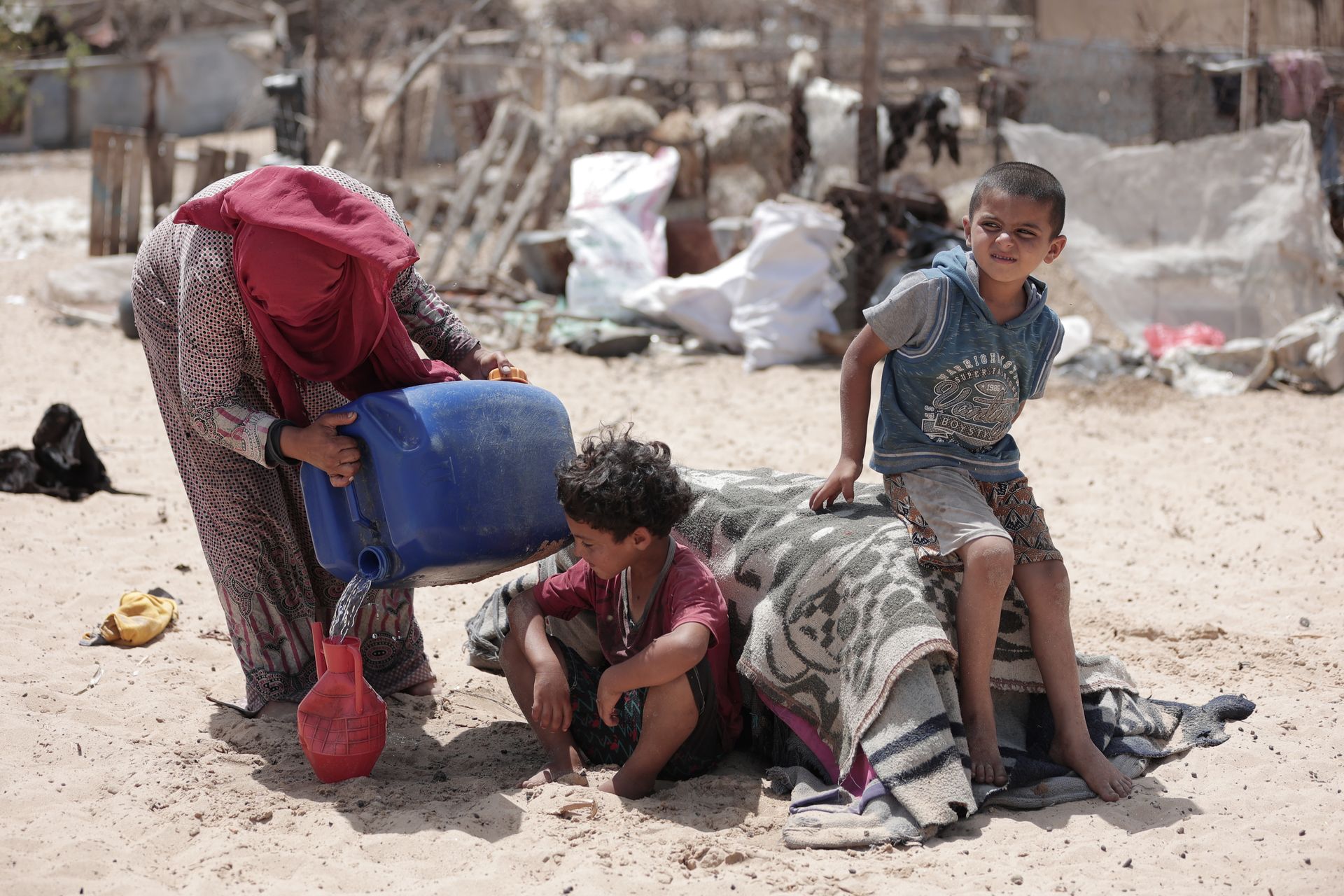
In early June, the UN reported that overall water production in Gaza had dropped by about 20% in May compared with two months earlier. The main reasons were shortages of the chemicals and spare parts needed to run water systems.
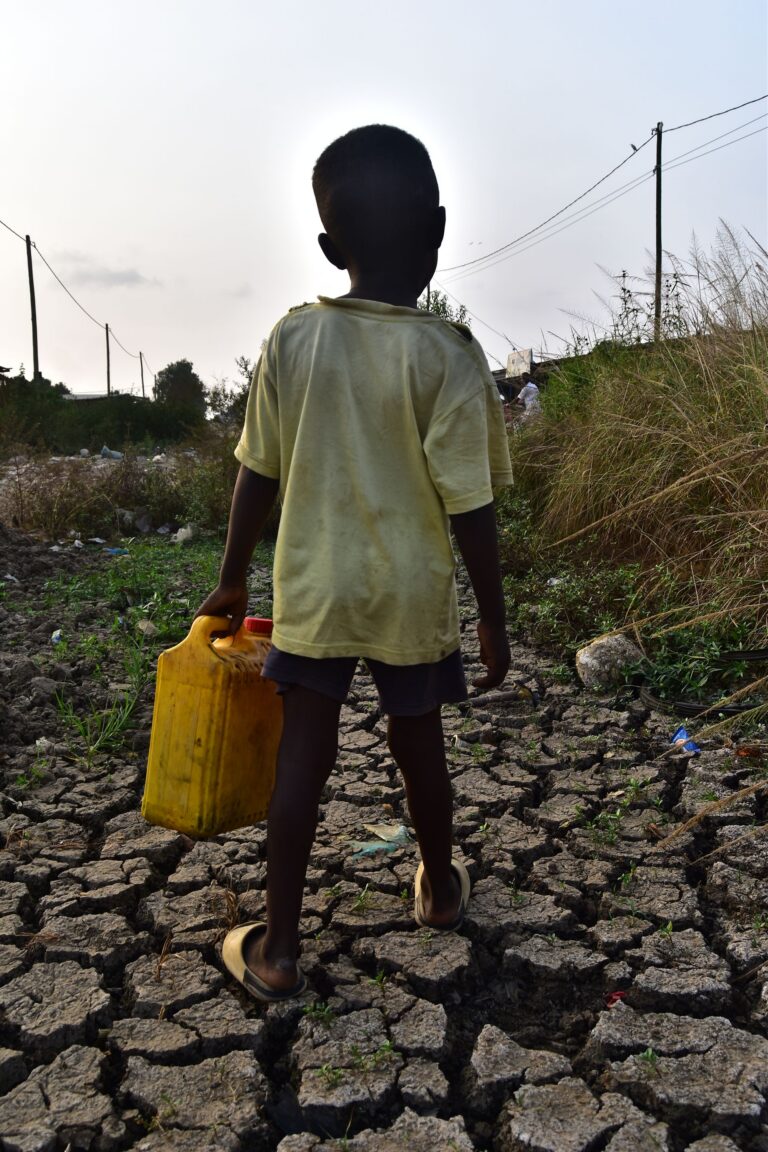
Most households couldn’t get the minimum of six litres per person per day for drinking and cooking. For 1.1 million children, UNICEF said, water was a daily uncertainty.
Access to water in Gaza is limited to begin with.
UN Office for the Coordination of Humanitarian Affairs (OCHA)
A daily trade-off
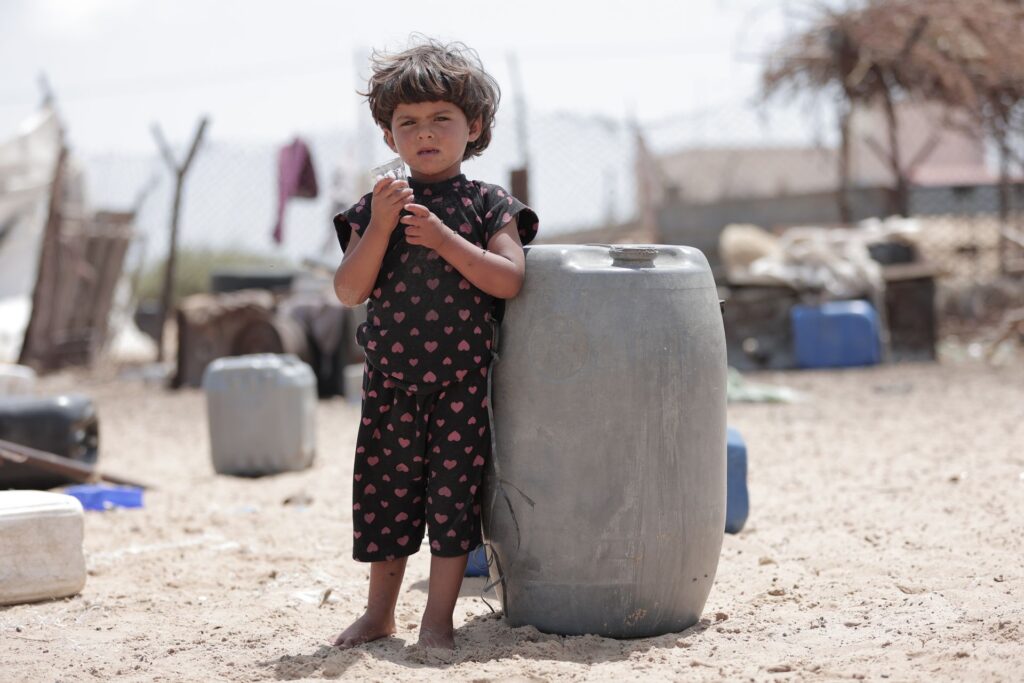
When there isn’t enough water, families must choose: drink it, cook with it, or use it to wash and keep illness away. UNICEF and partners were trucking water, running desalination plants and repairing wells, at a cost of around $40,000 a day for desalinated drinking water alone.
Rubbish was piling up in residential areas too, raising the risk of disease as summer approached.
What clean water changes in Gaza
- Health: enough water to wash hands and prevent disease.
- Dignity: families no longer forced to choose between drinking and washing.
- Recovery: spare parts and chemicals keep plants running.
How you can help
Share this story to keep Gaza’s water needs visible. Read our October post on the ceasefire and follow organisations supporting water and sanitation in Gaza.
Source: OCHA, “Humanitarian Situation Report”, 5 June 2026; UNICEF, “When water is a daily struggle, disease spreads faster”, 29 May 2026.