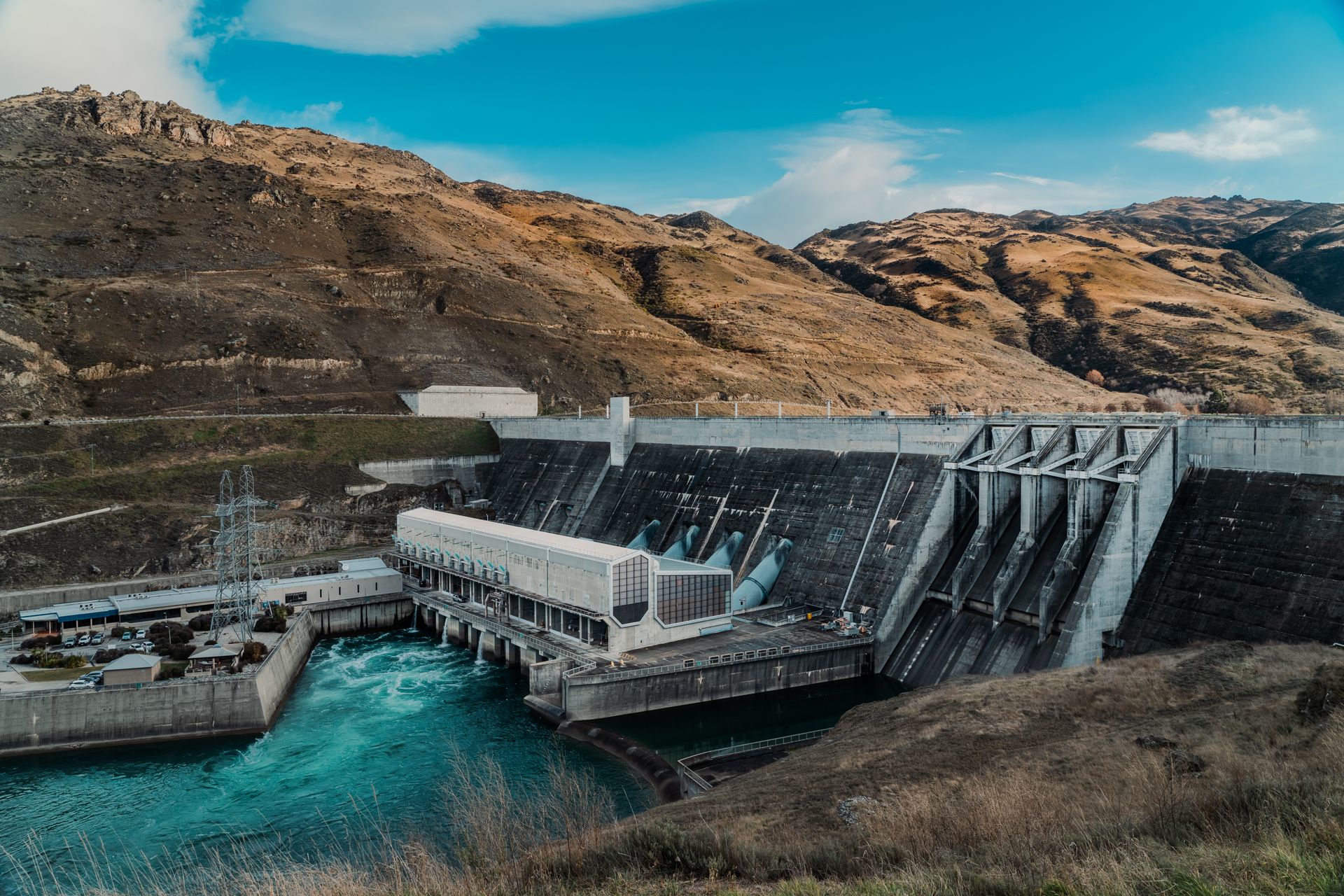
On 9 September, Ethiopia officially opened the Grand Ethiopian Renaissance Dam (GERD) on the Blue Nile, about 14 kilometres from the border with Sudan. Built over 14 years at a cost of around $5 billion, it is Africa’s largest hydropower project.
Four turbines are already producing 1,550 megawatts, with more to come. For Ethiopia, where nearly 45% of people lack electricity, it is a source of huge national pride.
We built this dam to prosper, to electrify our nation and the region
Abiy Ahmed, Prime Minister of Ethiopia
One river, many lives
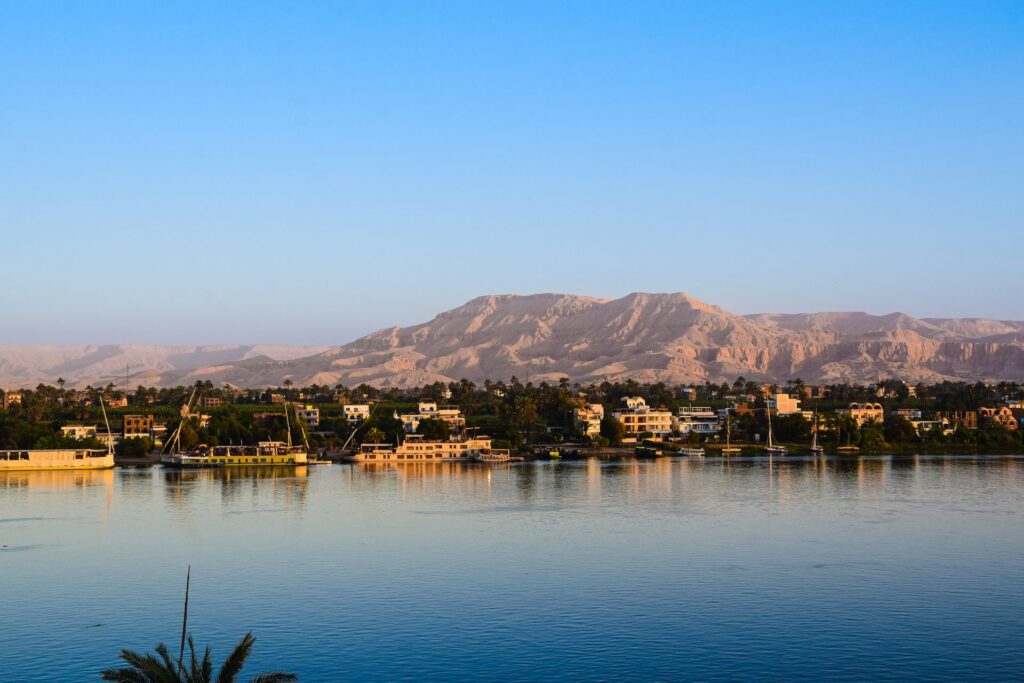
The Nile is shared by more than a dozen countries. Egypt depends on it for almost all its fresh water and fears the dam could cut its supply during droughts. After years of talks, there is still no binding agreement on how the dam will be filled and run.
That matters for ordinary families. When neighbours agree how to share a river, farmers can plan, cities can count on their supply, and floods and droughts can be managed together.
What fair sharing changes
- Security: reliable water for homes and farms downstream.
- Safety: shared warnings when dams release water.
- Peace: cooperation instead of conflict over a lifeline.
How you can help
Read more about the Nile and the countries that rely on it, and share this story with someone who hasn’t heard of the dam. Understanding how rivers connect us is the first step.
Source: AllAfrica, “Ethiopia Inaugurates Grand Renaissance Dam, Africa’s Largest Hydro-Power Project”, 9 September 2025; Gulf News, 9 September 2025; quote: PlusNews Uganda, 9 September 2025.