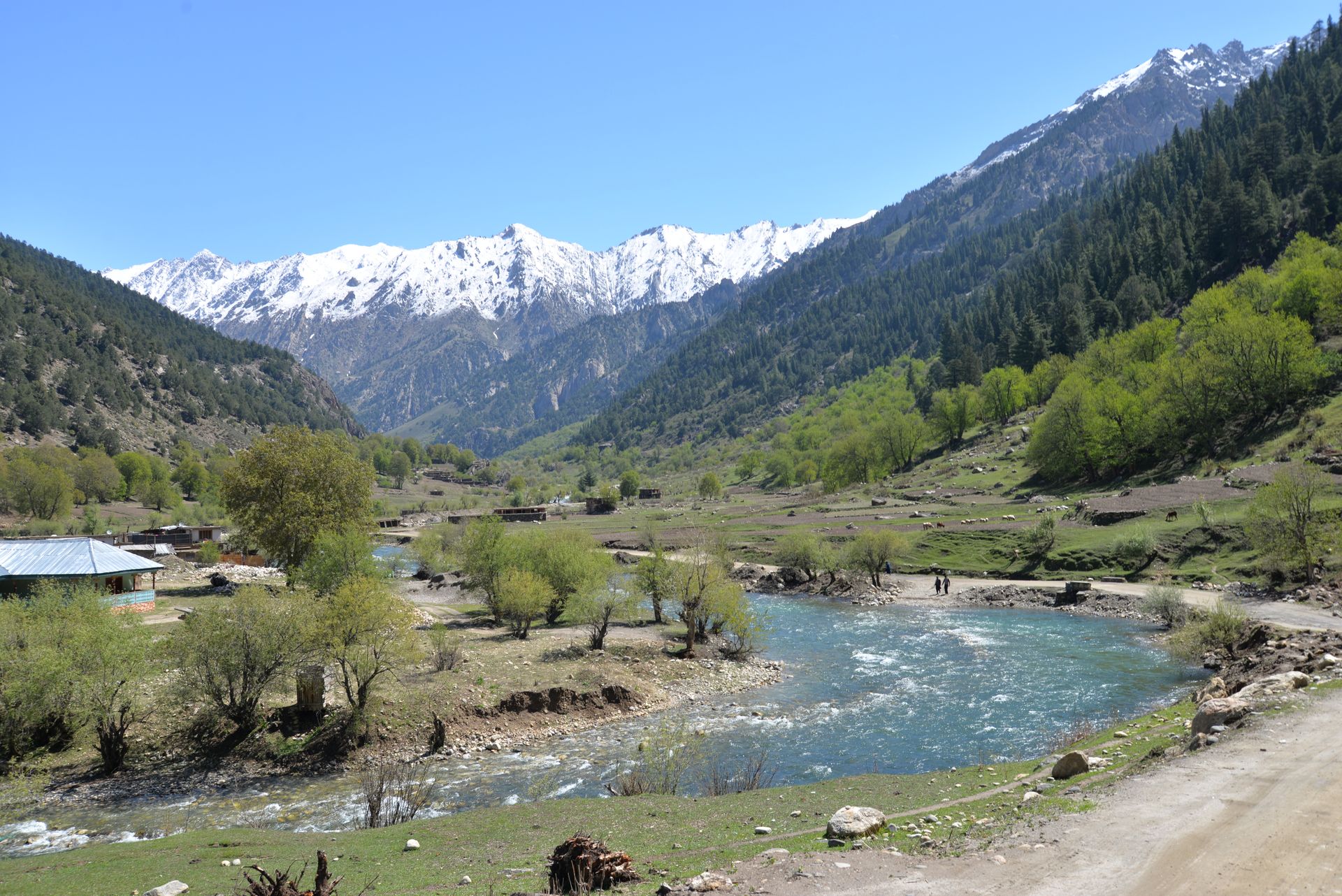
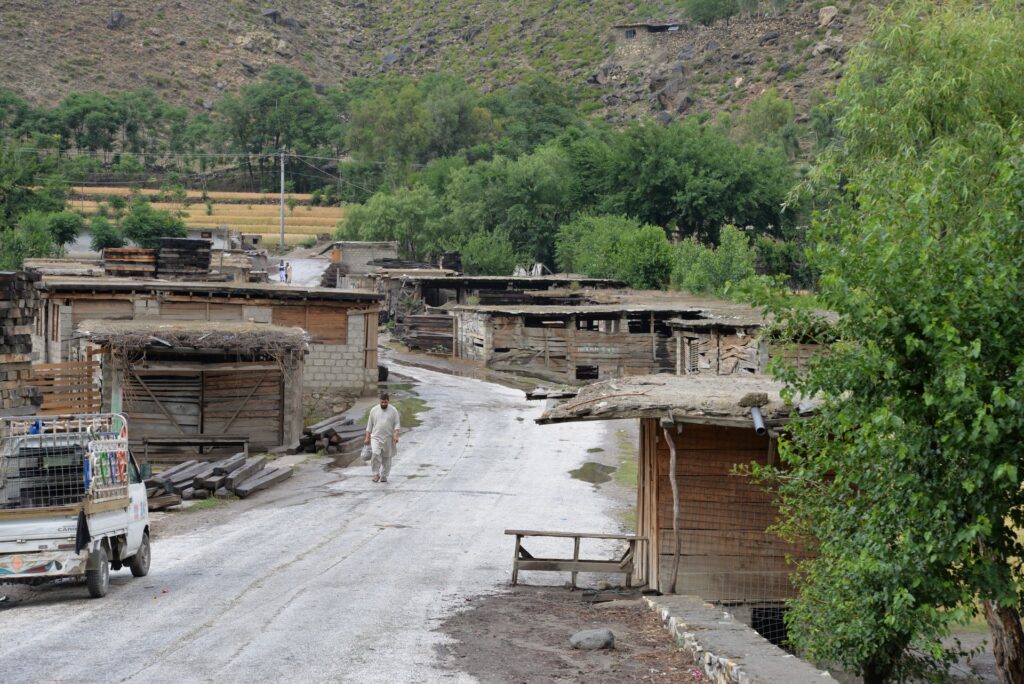
On 22 July, the UN reported flash floods had killed at least 26 people across eastern Afghanistan, including 23 in the mountainous province of Nuristan. The worst damage was in Parun, the provincial capital, where a sudden flood struck in the afternoon and overwhelmed homes and shops.
The flood damaged homes, roads, bridges, irrigation and water systems. Around 1,000 families lost access to safe drinking water when the local network was damaged.
Drought, then flood
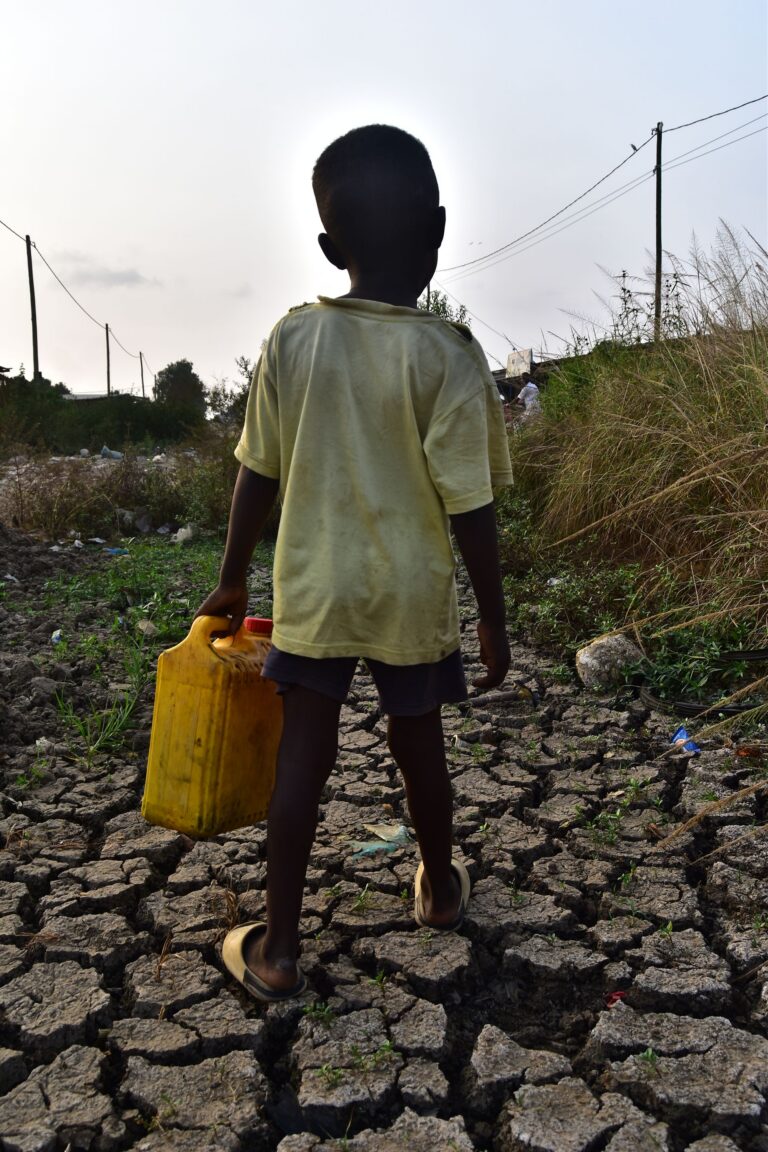
Afghanistan had spent years in drought, and its water points were drying up. Then came the flood. Dry, hard ground can make sudden rain more dangerous, because water rushes off instead of soaking in.
The UN said the most urgent needs were shelter, food, safe drinking water, hygiene supplies and health care.
What clean water changes after a flood
- Health: safe water until the network is repaired.
- Hygiene: soap and supplies to stop disease spreading.
- Recovery: water systems rebuilt to withstand the next flood.
How you can help
Share this story and read our earlier posts on Afghanistan’s water crisis. Follow organisations providing water in Afghanistan.