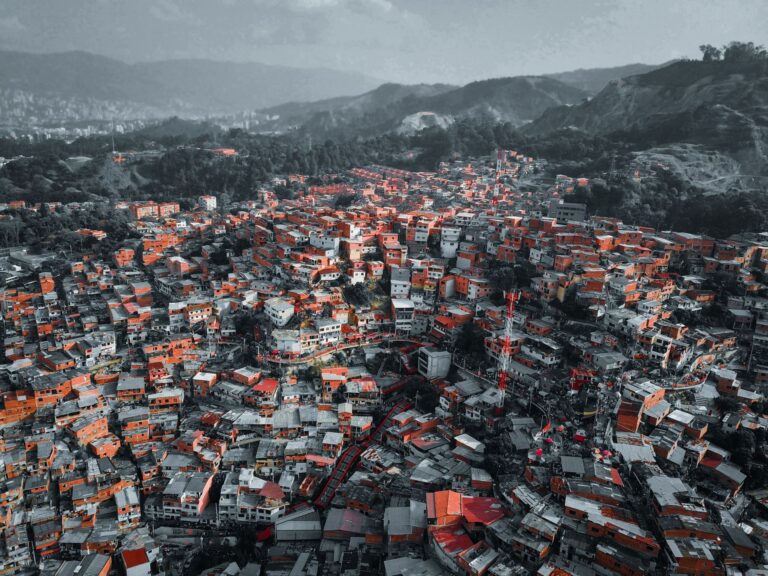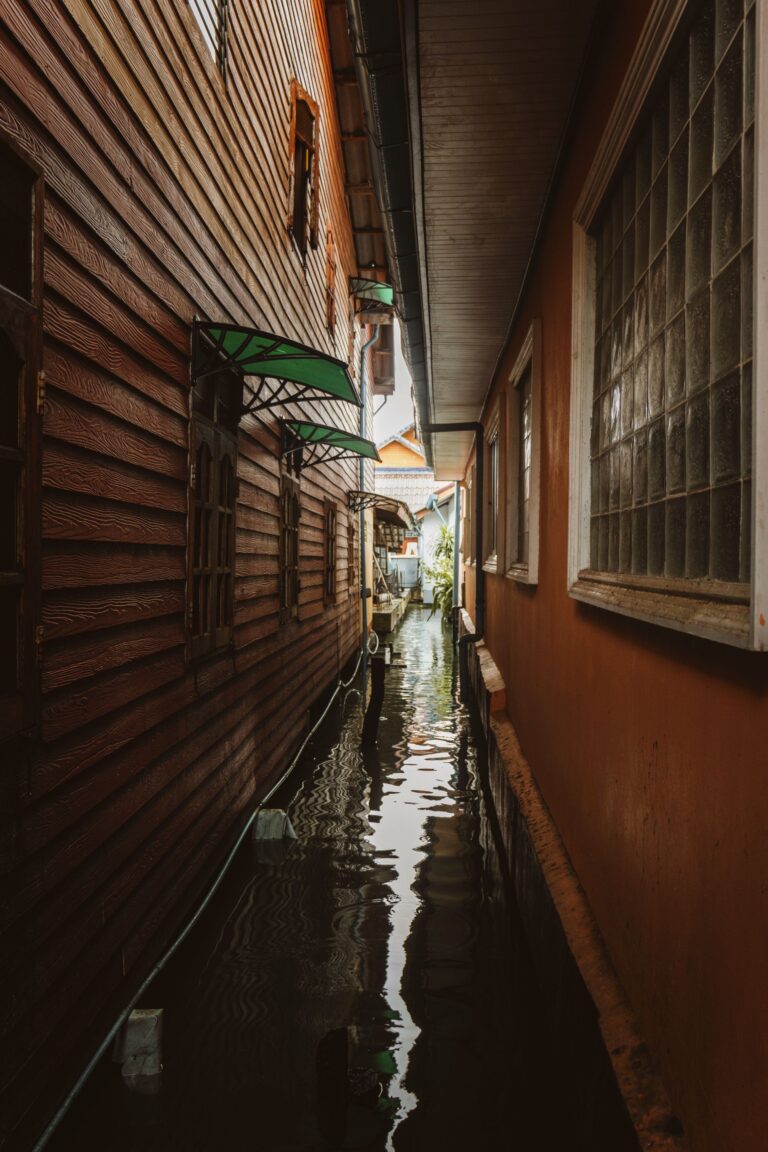
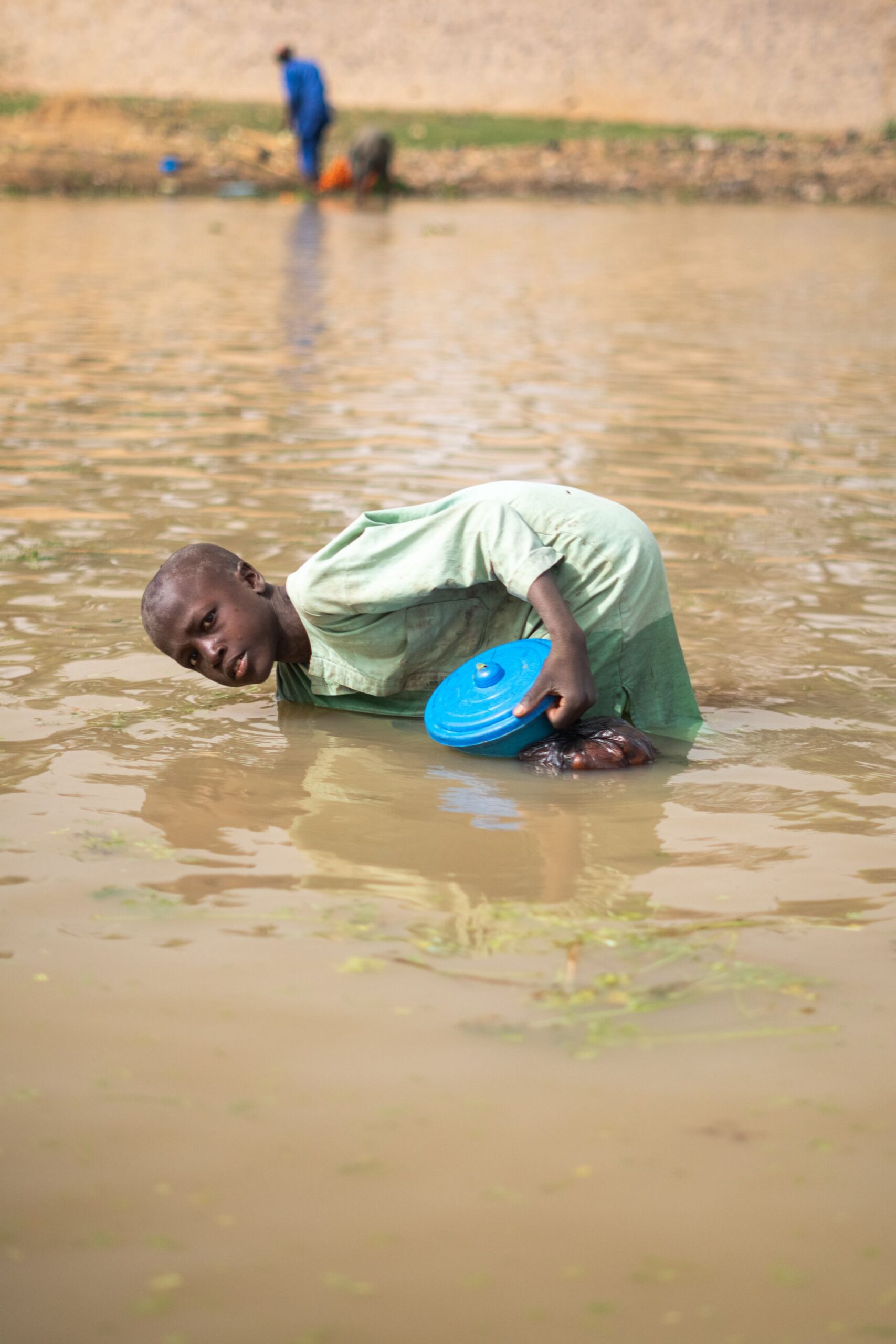
At the start of October, the swollen Nile encircled at least seven districts of Sudan’s capital, Khartoum. Floods swept through homes and farmland across six Sudanese states, killing dozens of people and displacing thousands.
On 3 October, Egypt accused Ethiopia of releasing large volumes of water from its new dam without warning, calling it a “man-made flood”. Ethiopia replied that its dam had actually reduced the flooding. Sudan’s own ministry pointed to several causes: dam releases, climate change and a rainy season that ran late into October.
far worse for Egypt and Sudan, but for GERD’s presence
Gamal Seyam, agricultural economist, speaking to The New Arab
Floods on top of war
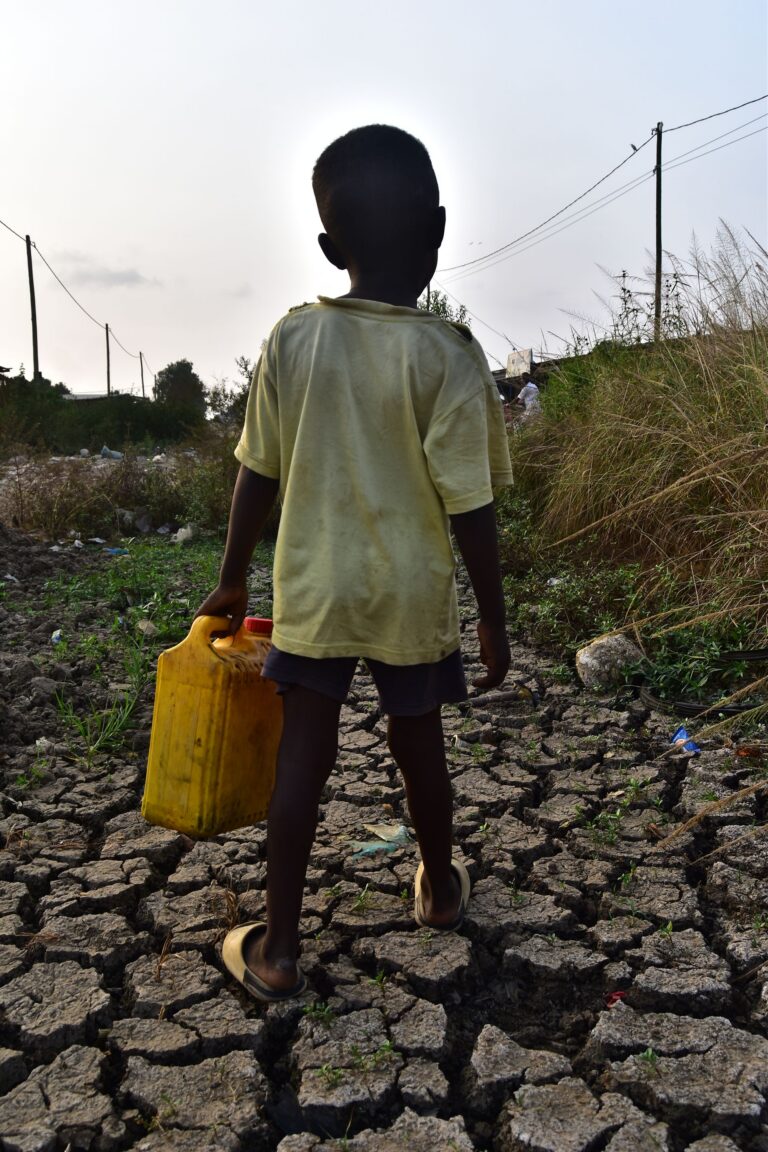
Sudan was already struggling. More than two years of war had damaged hospitals and water systems, and millions had been forced from their homes. Floodwater makes things worse: it fills wells with dirty water and spreads disease in crowded camps.
In Egypt, more than 1,260 feddans of farmland were flooded in the Nile Delta provinces of Menoufiya and Beheira.
What cooperation could change
- Warnings: sharing dam release plans gives villages time to move.
- Safety: protected wells and clean water points after floods.
- Trust: a shared plan for a river that three countries depend on.
How you can help
Share this story to keep Sudan in the conversation. Follow charities providing clean water and health care in Sudan, and read our earlier post on the dam to understand the background.
Source: Egypt Today, “Egypt blames Ethiopia for ‘man-made flood’ from GERD endangering downstream nations”, 3 October 2025; The Peninsula, “Sudan’s capital confronts Nile’s wrath in record flood”, 2 October 2025; Al Manassa, 5 October 2025; quote: The New Arab, 10 October 2025.