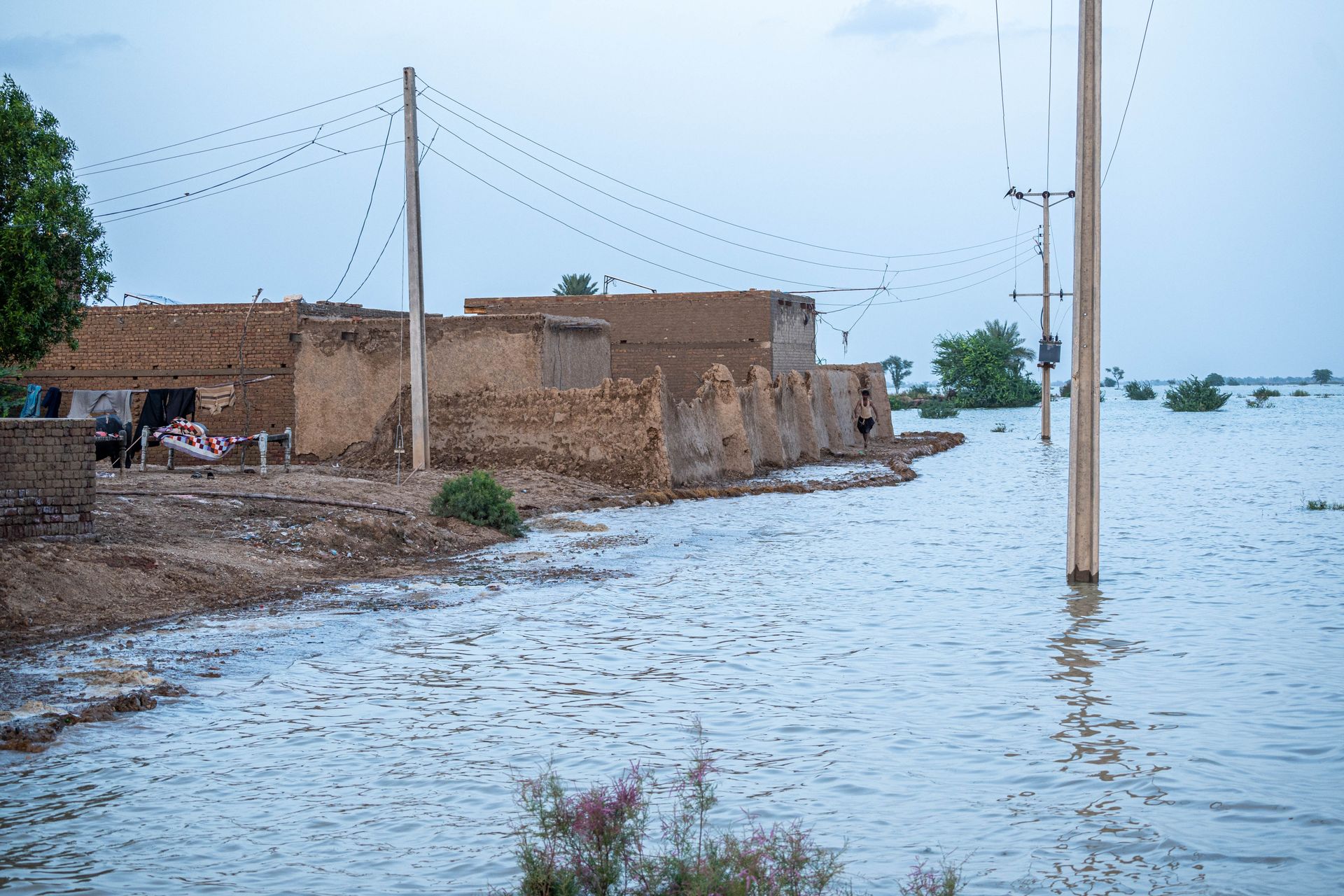
In the first days of September, three of Punjab’s great rivers rose to what officials called “exceptionally high” levels. More than 2.4 million people and 600,000 animals were forced from their homes, and 390 relief camps opened across the province.
Heavy monsoon rain was the main cause. Officials said water released from dams upstream in India added to the surge. Across Pakistan, rains and floods had killed more than 880 people since late June.
risk of extremely high flooding in rivers Ravi, Sutlej, and Chenab
Nabeel Javed, Punjab Relief Commissioner
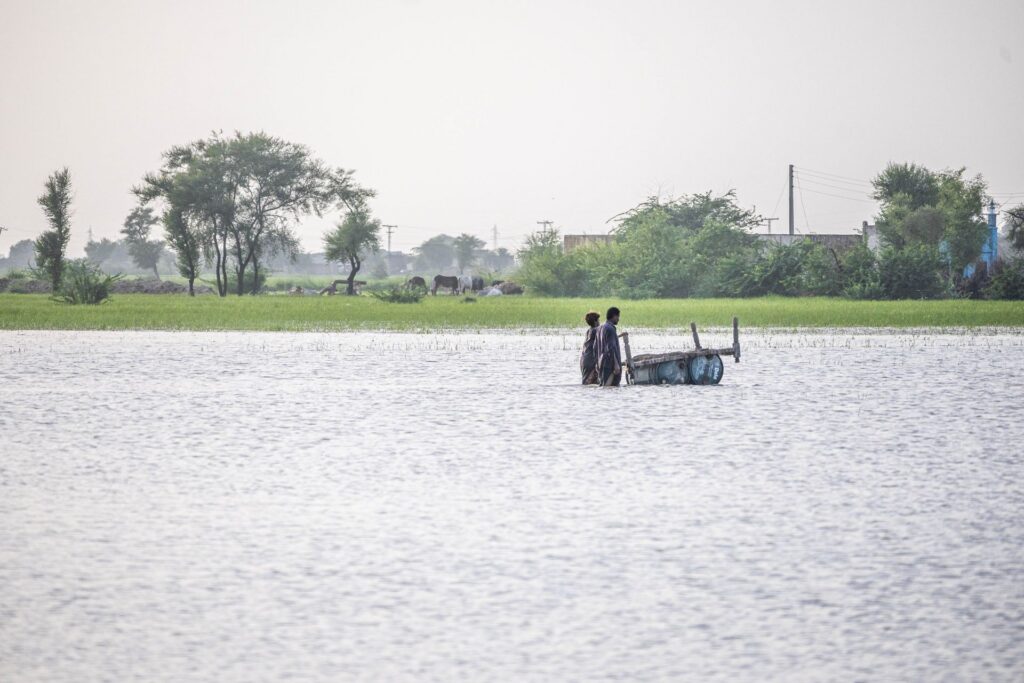
When the water rises, the taps fail
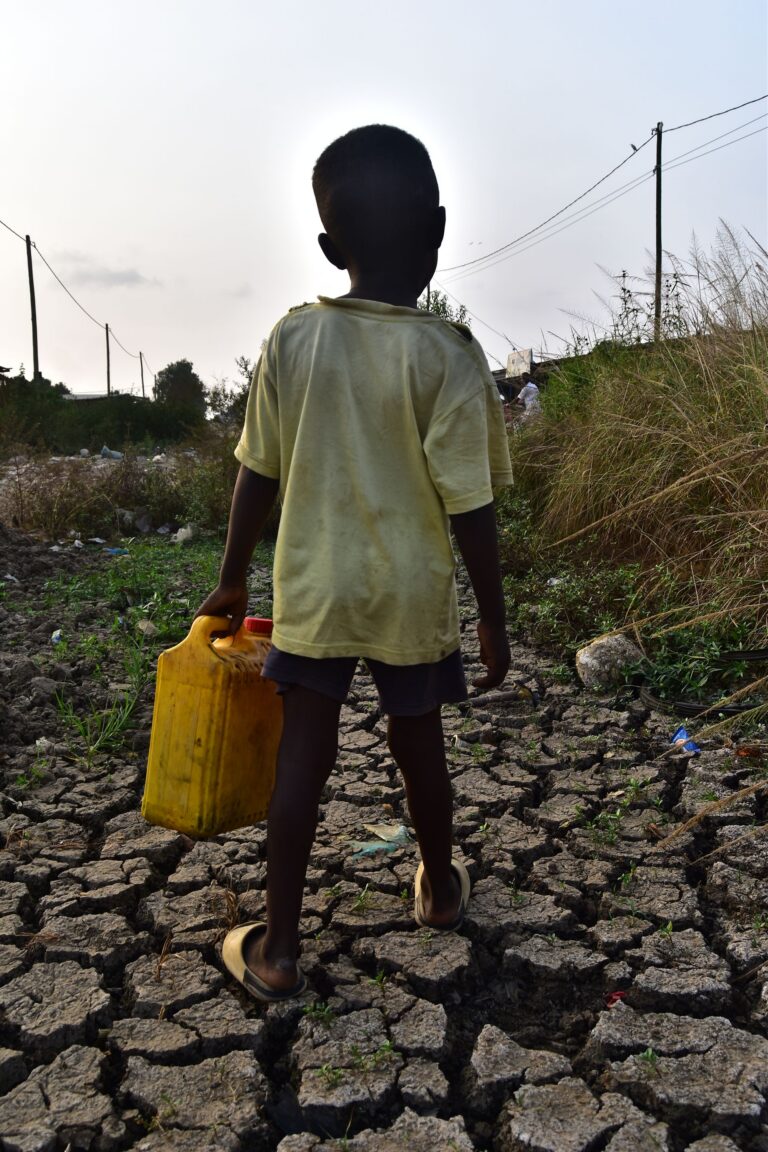
Floods do their damage twice. First they destroy homes and crops. Then they swamp the wells, hand pumps and pipes that families rely on, leaving dirty water as the only water nearby.
Crowded relief camps make safe water and toilets even more important. Without them, diarrhoea and cholera can spread fast, and young children are the most at risk.
What clean water changes after a flood
- Health: safe drinking water stops illness spreading through camps.
- Dignity: clean toilets and washing water for families who have lost everything.
- Recovery: repaired pumps let villages return home sooner.
How you can help
Share this story so Punjab’s floods stay in the news after the cameras move on. Follow charities working on clean water and sanitation in Pakistan, and tell one person about what happened.
Source: Dawn, “Deluge in India may compound Punjab’s ‘worst-ever flood’”, 2 September 2025; Arab News, “Pakistan floods kill 43, displace 1.3 million in Punjab”, 3 September 2025; quote: Arab News, 7 September 2025.