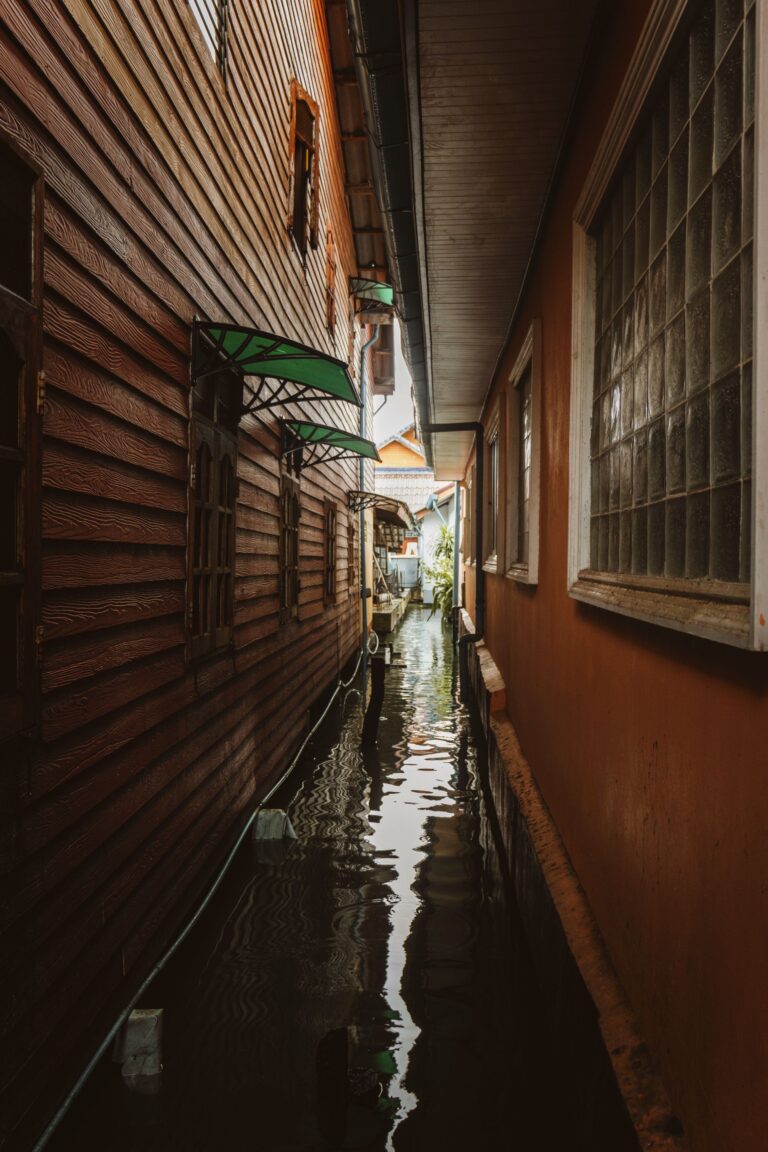
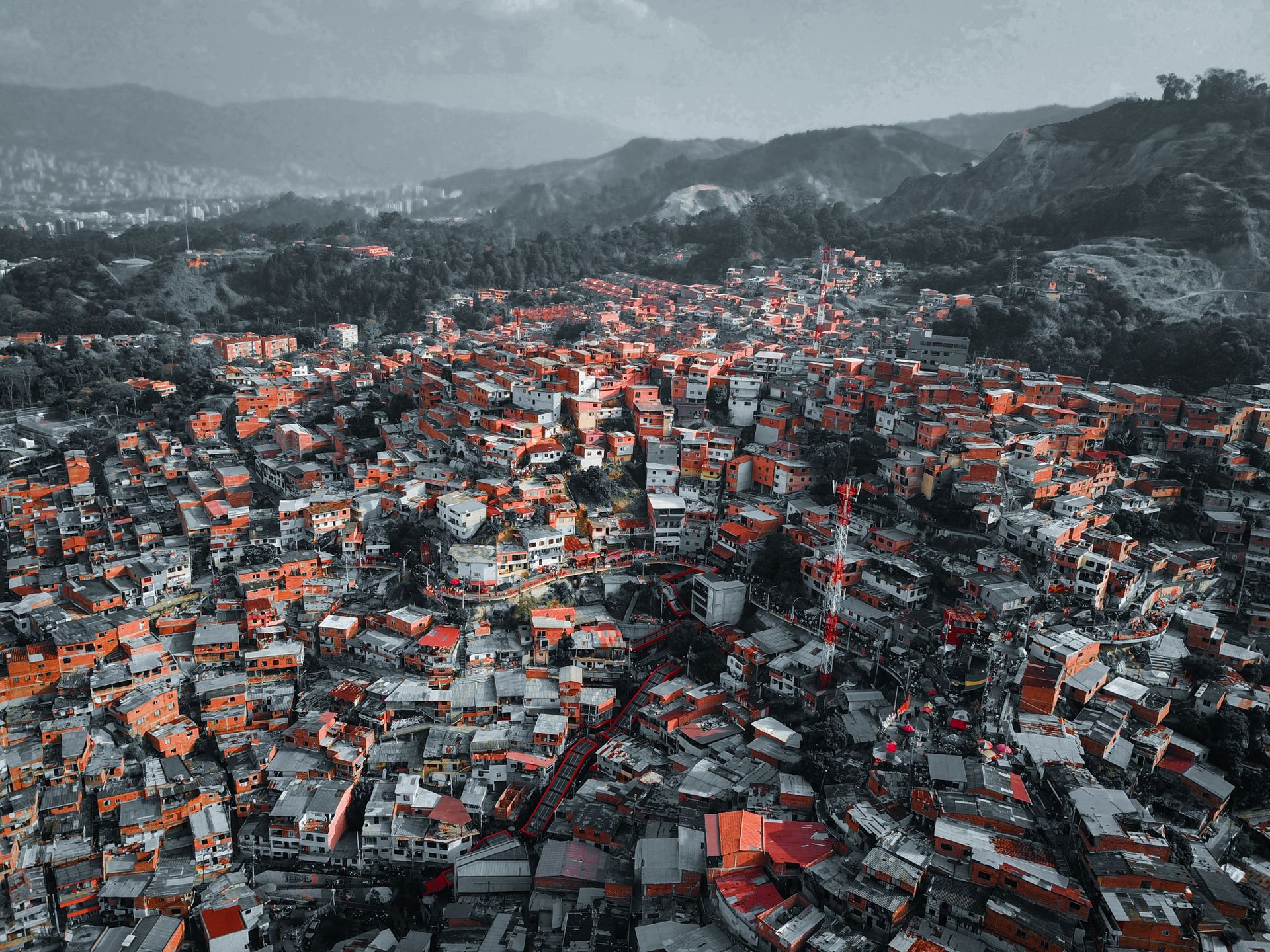
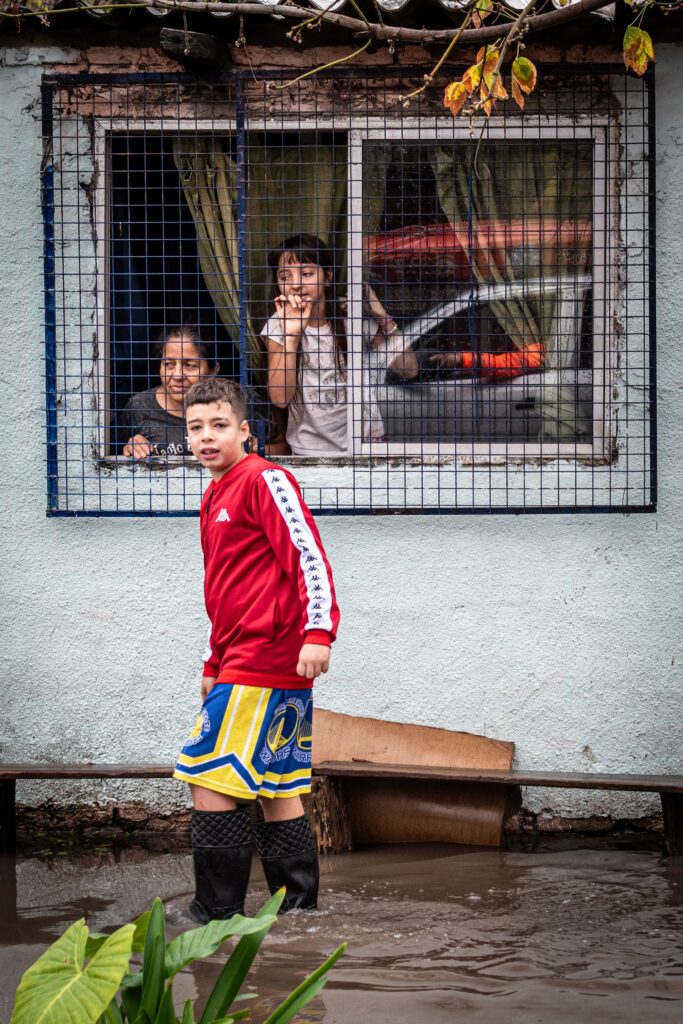
On the afternoon of Friday 9 October, a storm sent the La Iguaná creek over its banks in western Medellín, Colombia. More than 200 homes flooded, three collapsed and a road gave way. No deaths were reported.
The storm also hit the city’s water system. The intake at the San Cristóbal treatment plant collapsed, and power damage stopped two pumping stations. 38,148 homes lost running water, and tanker trucks were sent to affected neighbourhoods while repairs went on.
We have significant damage.
Manuel Villa Mejía, acting mayor of Medellín, speaking to Telemedellín
A flood inside a drought
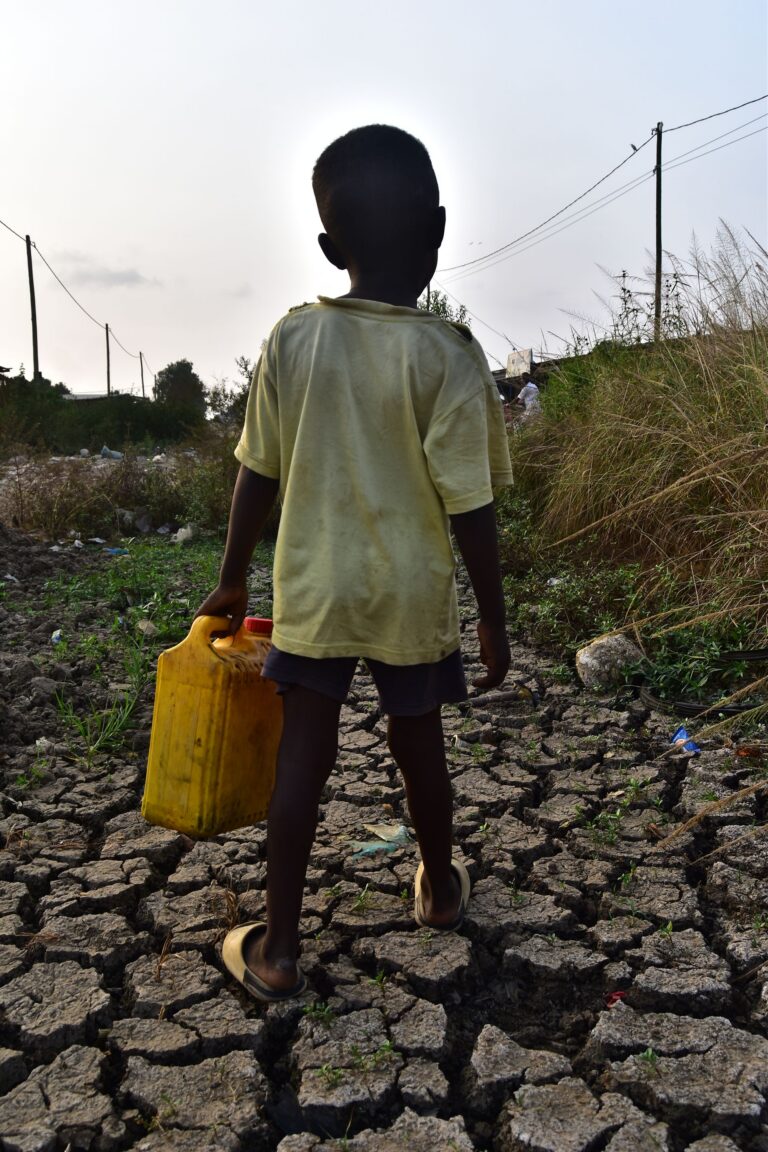
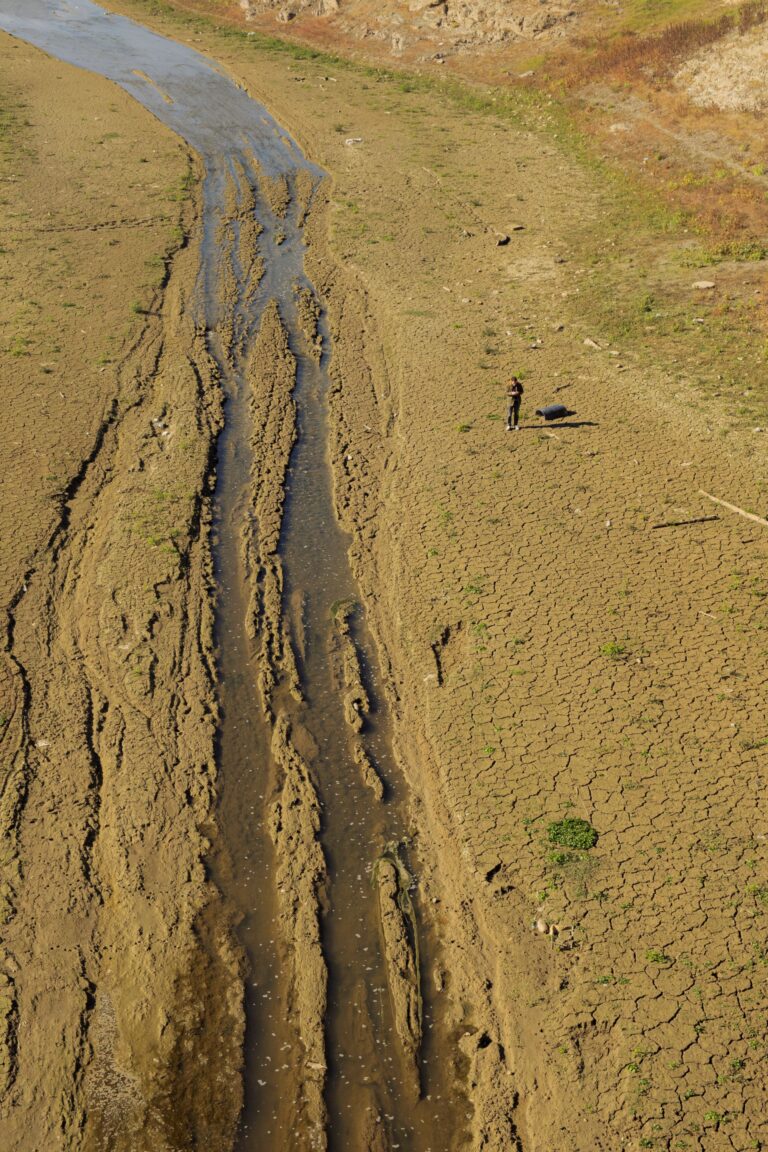
Medellín was already short of water. The city’s utility, EPM, had asked households to cut their use because reservoirs were running low ahead of El Niño, and none of its three supply systems had met its savings target. Officials said the rain helped only a little.
Colombia’s weather agency says the coming El Niño could be the strongest in recent history, and EPM expects December and early 2027 to be the hardest months.
What resilient water systems change
- Supply: plants and pumps built to keep working through storms.
- Storage: reservoirs that catch heavy rain and save it for dry months.
- Safety: tanker water and clear information while repairs go on.
How you can help
Share this story to show how floods and drought can hit the same city at once. Follow organisations working on water resilience in Colombia and across South America.
Source: The Rio Times, on the Medellín floods, October 2026 (citing the City of Medellín and EPM).