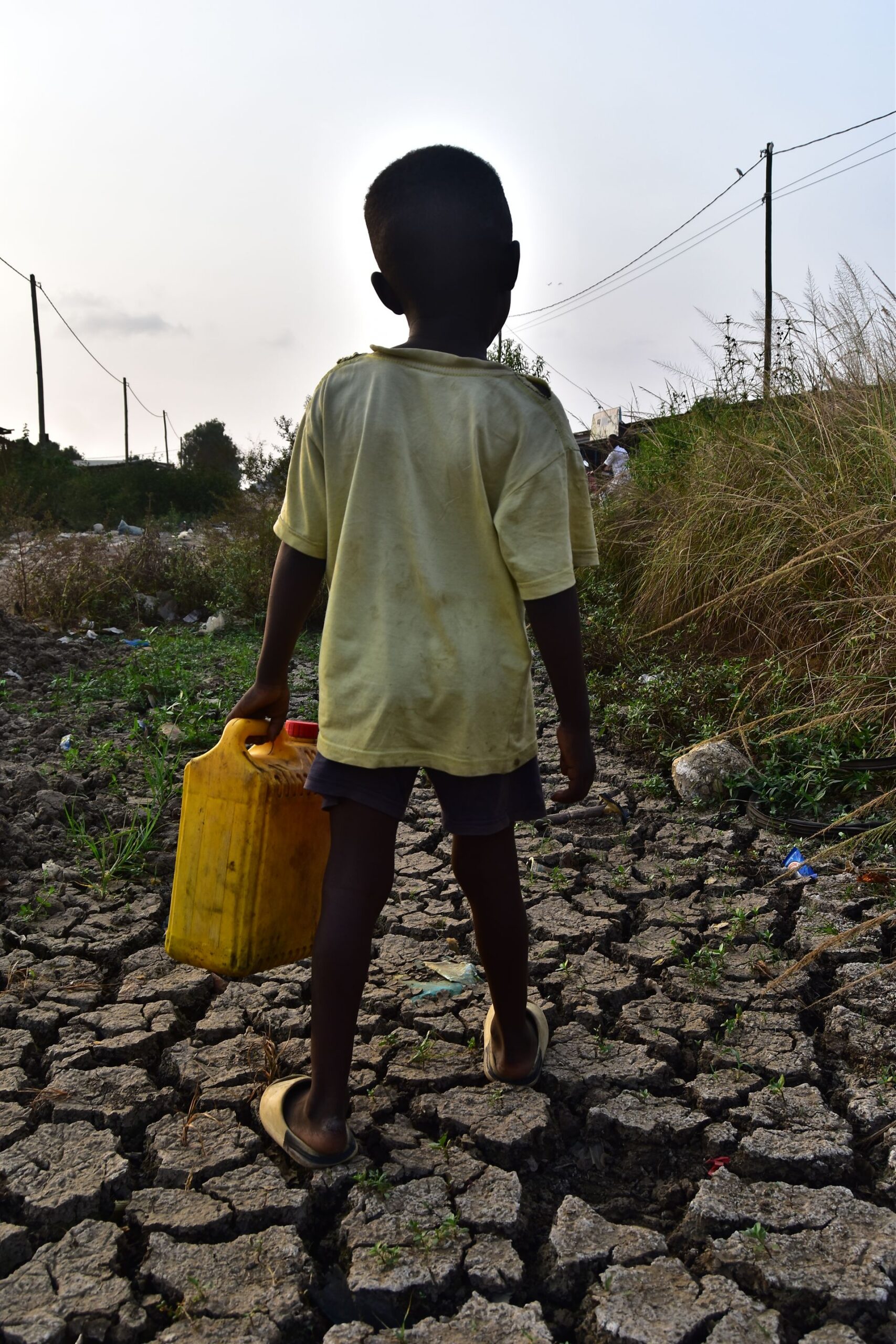
On 6 October, UNICEF warned that more than 347 million children in nearly 100 countries and territories could face unusually wet or dry conditions between October and December, as the 2026–27 El Niño builds into one of the strongest on record.
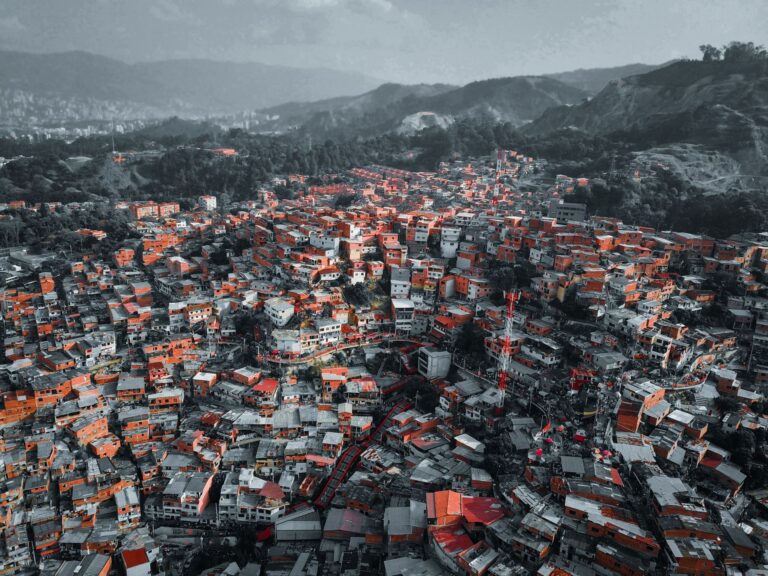
Asia and the Pacific has the most children at risk, about 190 million. Around 41 million are in East and Southern Africa, and another 41 million in Latin America and the Caribbean. Colombia, Fiji, Papua New Guinea and the Philippines are expected to turn drier, while the Greater Horn of Africa, especially Somalia, is expected to be wetter. UNICEF stresses these figures show where unusual rain is likely, not confirmed impacts.
For children, El Niño is far more than a weather pattern.
Catherine Russell, Executive Director, UNICEF
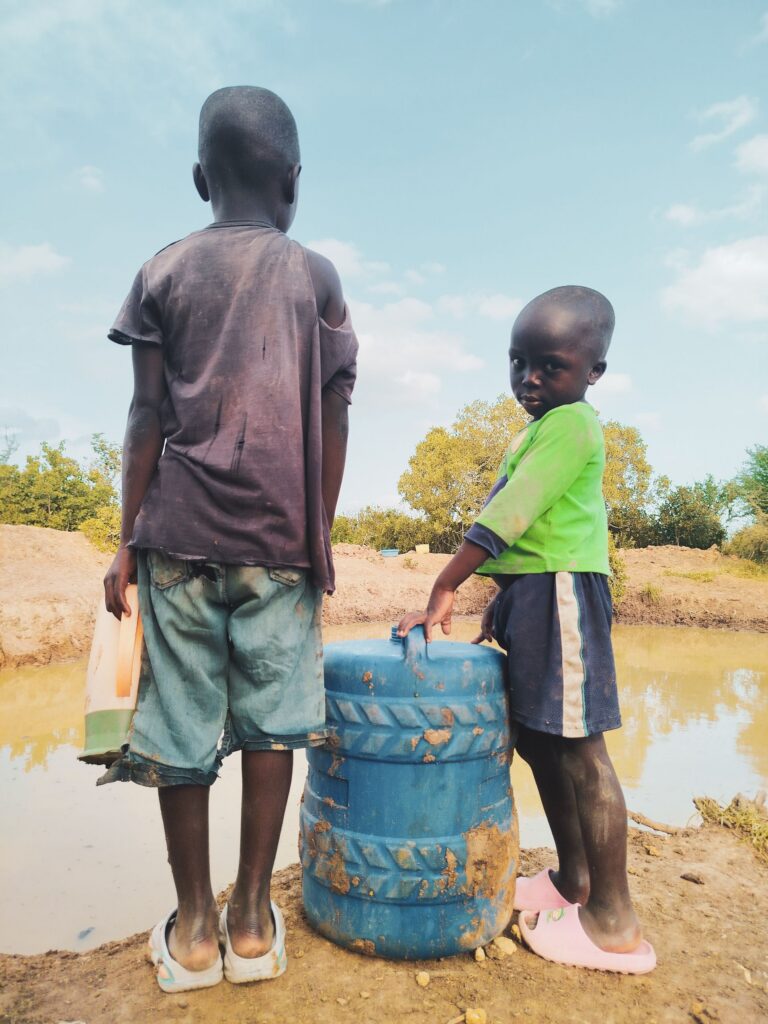
Water comes first
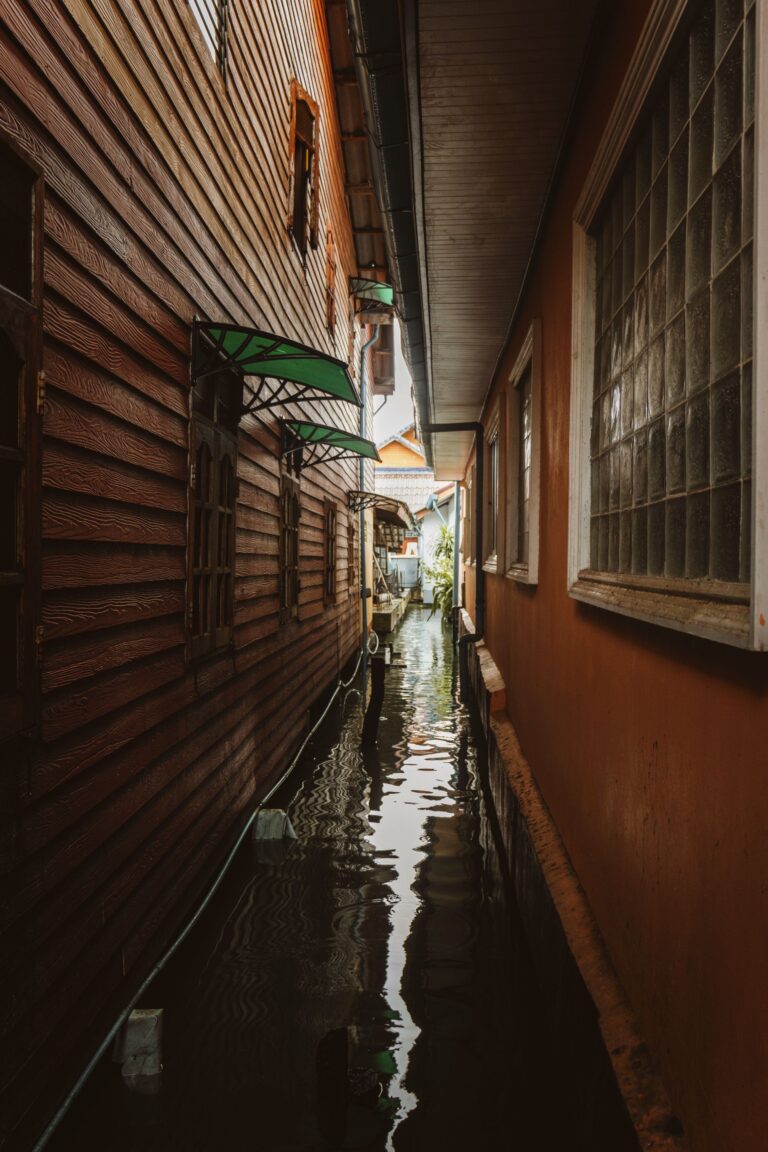
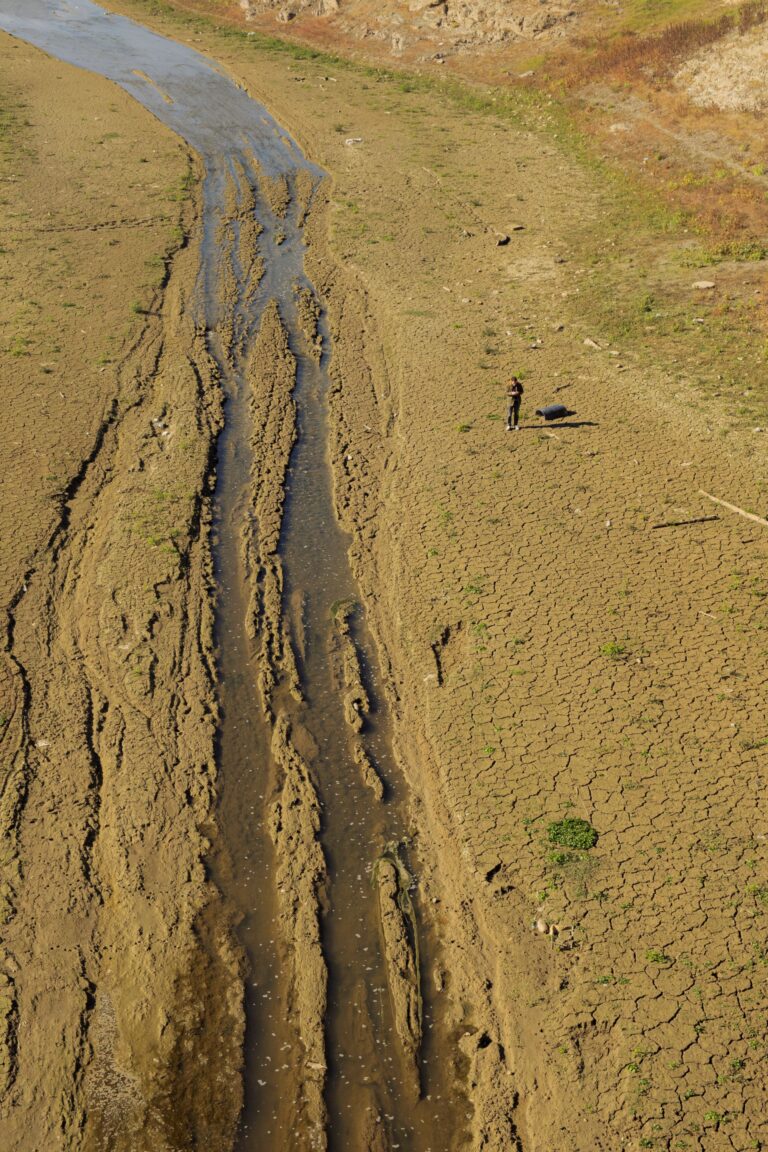
UNICEF lists water shortages and disease outbreaks among the biggest risks. Drought dries up wells and taps, and floods spread water-borne illness. Both can worsen hunger, close schools and force families from their homes.
Countries already in crisis, such as Afghanistan and Chad, are at especially high risk. UNICEF says every dollar spent preparing for disasters can save up to $15 in recovery, yet less than 1% of humanitarian funding goes to acting early.
What acting early changes
- Water: storing safe water and repairing wells before the dry months.
- Health: clean water and chlorine ready before floods hit.
- School: classrooms kept open with water and toilets that work.
How you can help
Share this story and read our earlier posts on El Niño. Follow organisations preparing children and families before the worst arrives.
Source: UNICEF, “Over 347 million children in nearly 100 countries will be exposed to one of the strongest El Niño events on record”, 6 October 2026; UN News, October 2026.