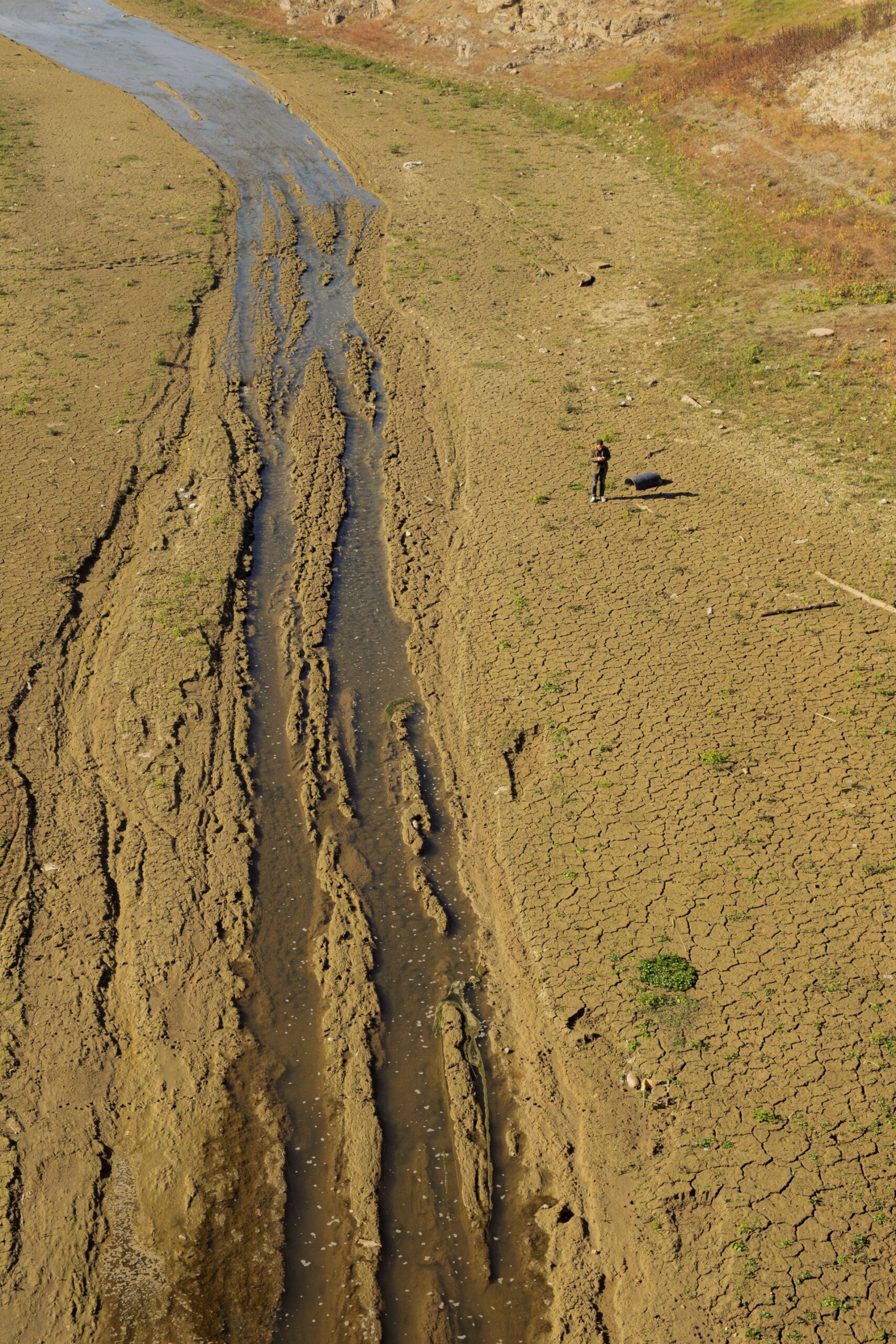
On 17 September, the World Meteorological Organization published its State of Global Water Resources report for 2025. It found that 2025 was one of the driest years for river flow in 35 years, and that water stored on land has been falling since around 2014–2016.
For the fourth year running, every major glacier region lost ice. Nearly two-thirds of monitored groundwater wells were outside their normal range, mostly on the low side.
This is not a single bad year, but a persistent decade-long signal
Celeste Saulo, Secretary-General, World Meteorological Organization
A savings account running low
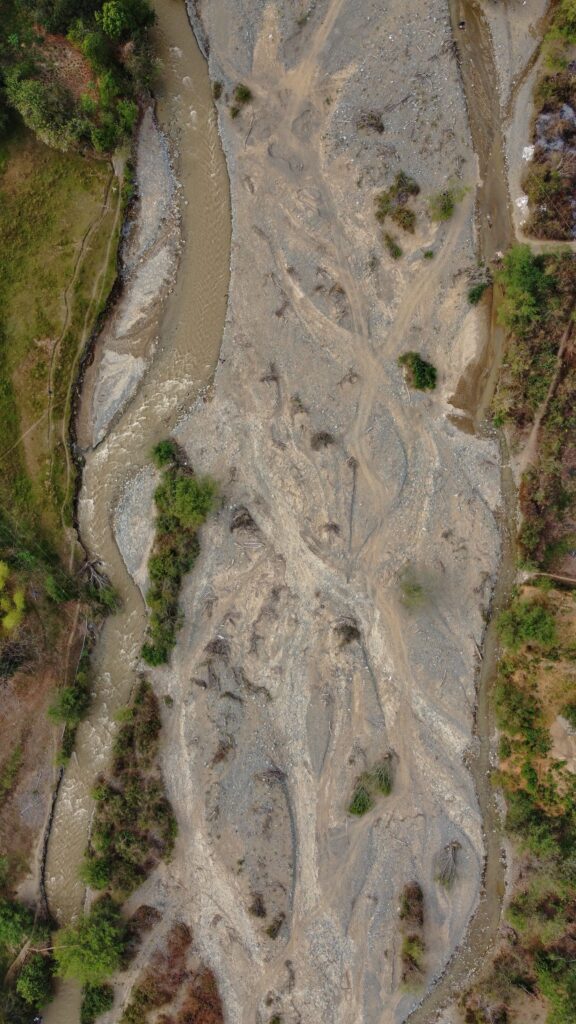
The WMO compares the Earth’s freshwater to a savings account, and says we are drawing it down. Asia and Africa remain the regions hardest hit by water-related disasters.
There were some positive signs. Parts of South America partly recovered after years of deficit, and several major lakes in central and southern Africa held much more water than normal.
What better water knowledge changes
- Warning: better data means earlier alerts for floods and droughts.
- Planning: decisions based on how much water there really is.
- Fairness: help focused on the hardest-hit regions.
How you can help
Share this story and compare it with our September 2025 post on last year’s report. The pattern is the story.
Source: WMO, State of Global Water Resources 2025, 17 September 2026; quote from UN News, 17 September 2026.