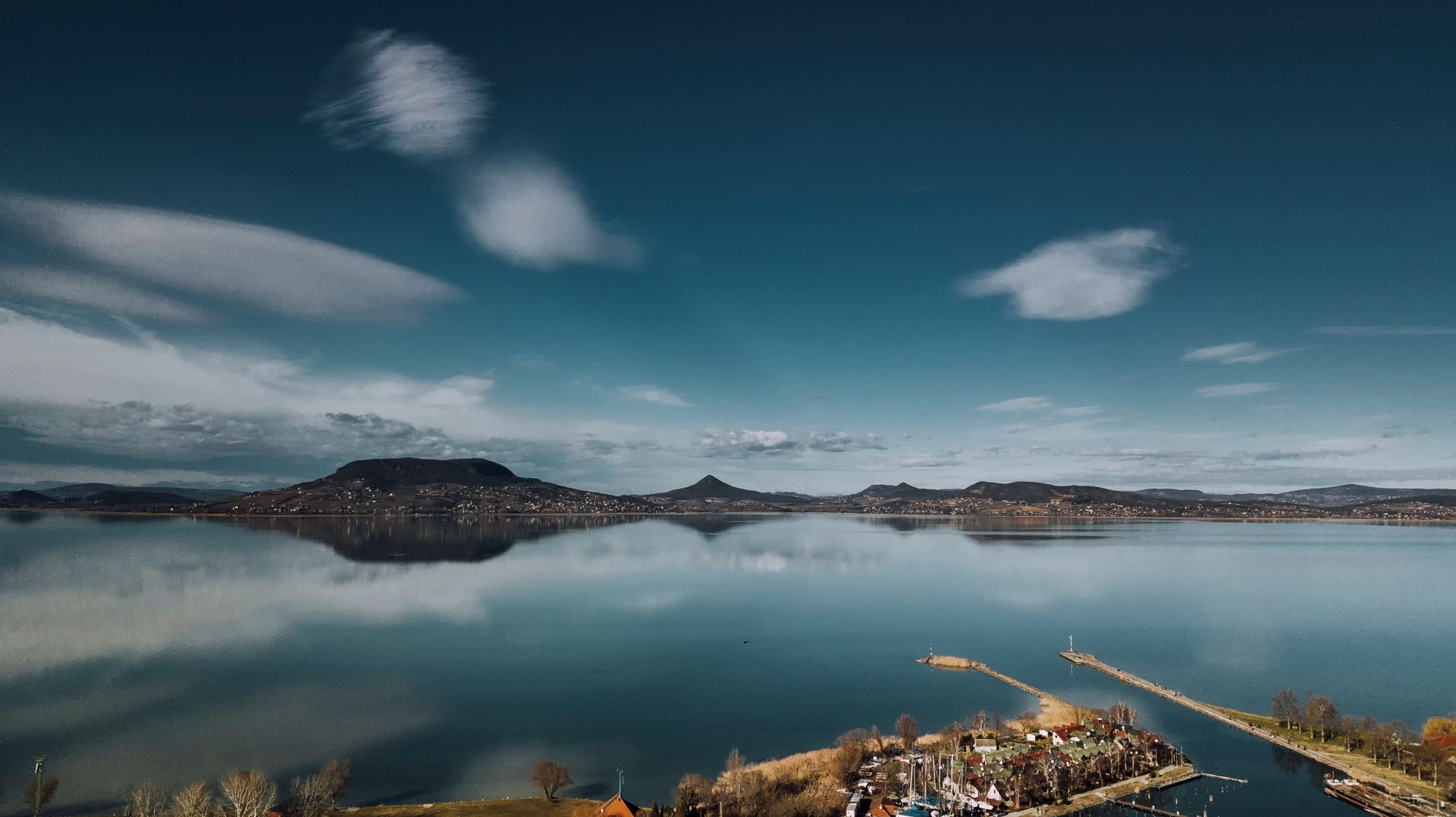
In September, Hungary faced an unprecedented water crisis, with extreme drought affecting 99% of the country. Lake Velence, the country’s third-largest lake, dropped from about five feet deep to around eight inches.
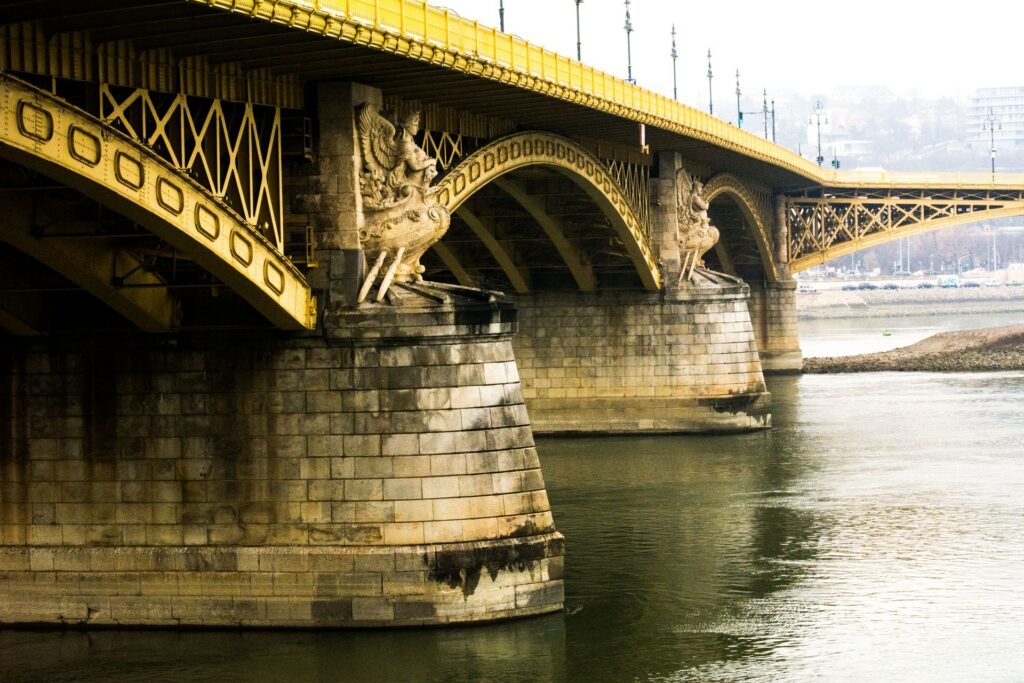
Low water on the Danube threatened to shut down Hungary’s only nuclear power plant, which uses river water for cooling. At least 280 tonnes of fish died across 20 fish farms.
The driest summer since 1901
Hungary’s weather service later confirmed it was the country’s most severe drought in 126 years. Summer rainfall averaged just 74.1mm, 36% of normal, and it was the second-hottest summer on record.
Erratic rain, high evaporation and decades of poor water retention all played a part. Wells and groundwater were drying up, and crops failed.
What holding on to water changes
- Storage: keeping rainwater in wetlands and soil instead of draining it.
- Farming: crops and irrigation suited to a drier climate.
- Rivers: enough water left to keep rivers and power plants running.
How you can help
Share this story to show that drought is hitting the heart of Europe too. Talk about how your own region saves water.
Source: Center for Disaster Philanthropy, weekly disaster update, 14 September 2026; Euronews, “Hungary’s 2026 drought is the country’s most severe in 126 years”, 9 October 2026.