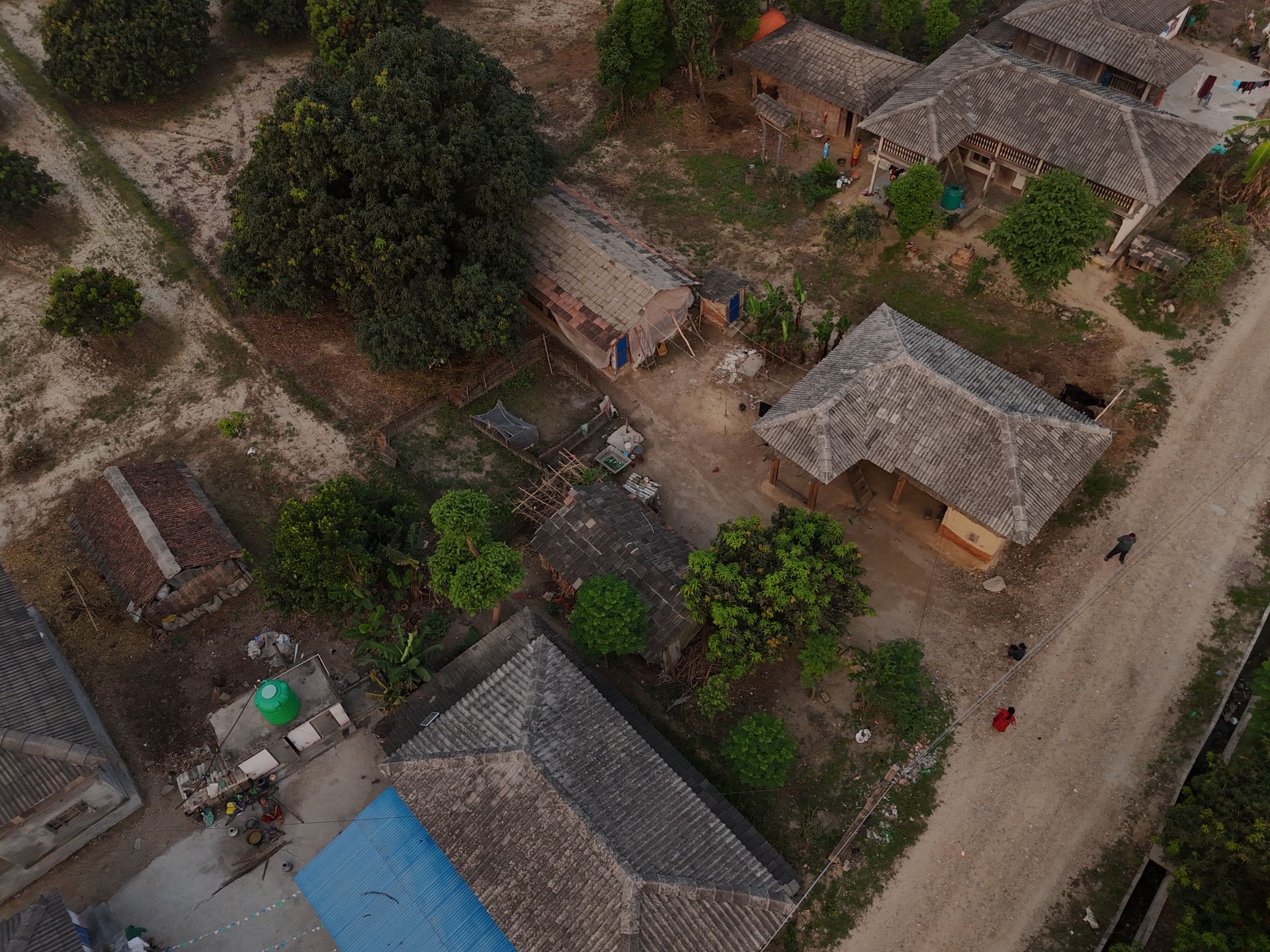
On the morning of 26 August, a catastrophic flood swept through the Bhotekoshi–Trishuli river basin in Nepal and Tibet. In Nepal, at least 1,451 people died and 5,745 were reported missing. In Tibet, 43 died and 519 were missing.
The flood carried some victims 240 kilometres downstream into India. Communications towers were destroyed early, so warnings had to be passed door to door.
It looks like an apocalypse
Sara Netzer, regional director, UNOPS, describing a destroyed village
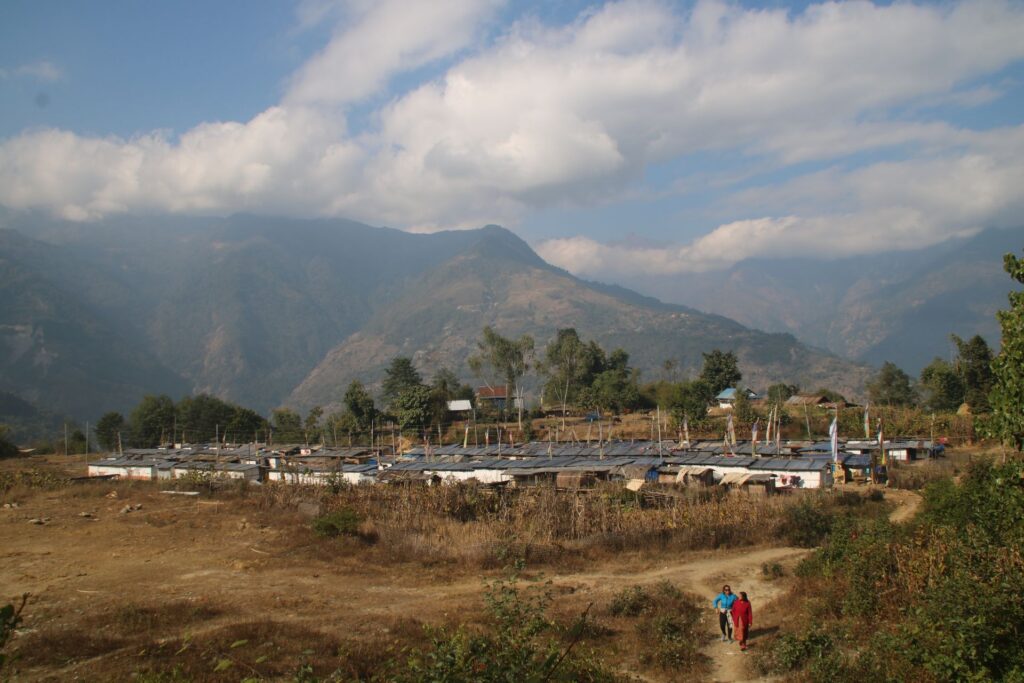
Drinking water swept away
A 4.5-kilometre stretch of pipeline carrying drinking water was washed away, cutting off 4,000 households. When 15 water sources were tested in Bidur, five were contaminated with E. coli.
Authorities began vaccinating against cholera, tetanus and measles, reaching nearly 60,000 people by 18 September. UNOPS warned that floods like this could happen again across the Himalayas as the climate warms.
What clean water changes after a flood
- Health: safe water and vaccines stop outbreaks.
- Rebuilding: water systems built to survive the next flood.
- Warning: early alerts that don’t depend on one phone tower.
How you can help
Share this story and follow organisations supporting Nepal’s recovery. Our next post looks at the children who need safe water now.
Source: Wikipedia, “2026 Nepal–Tibet floods” (citing Nepali and international reports); quote from UN News, 18 September 2026.