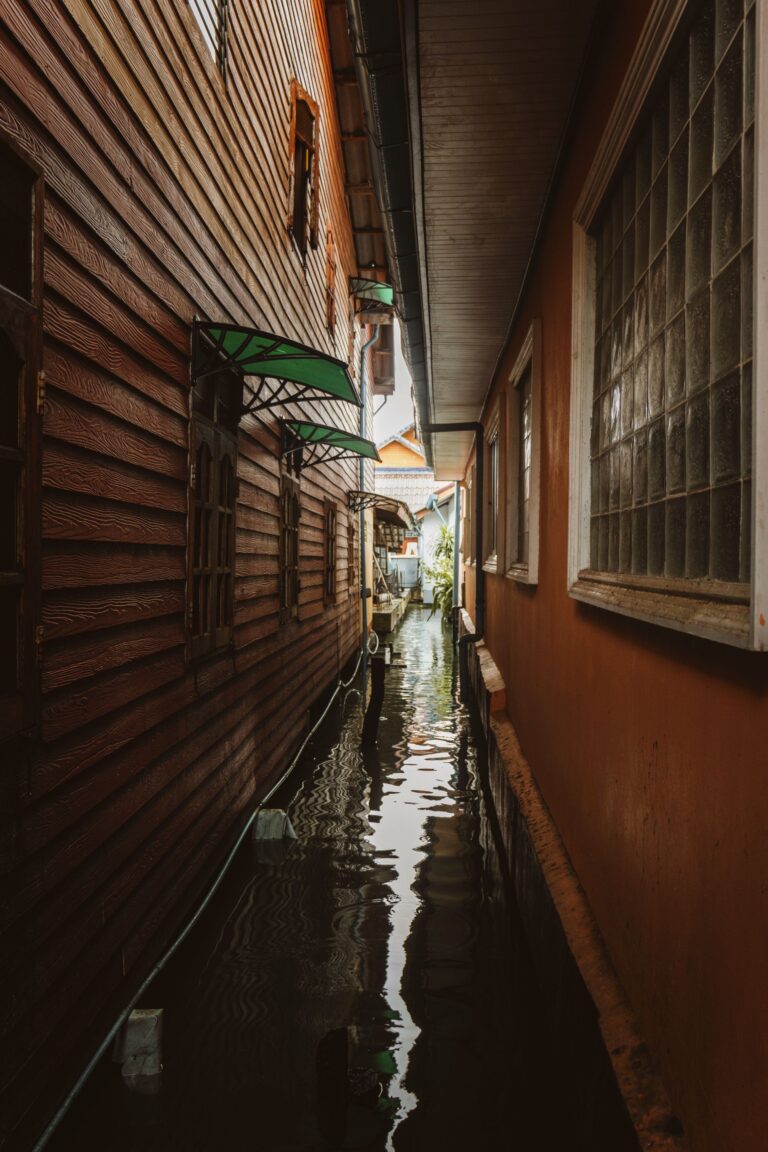
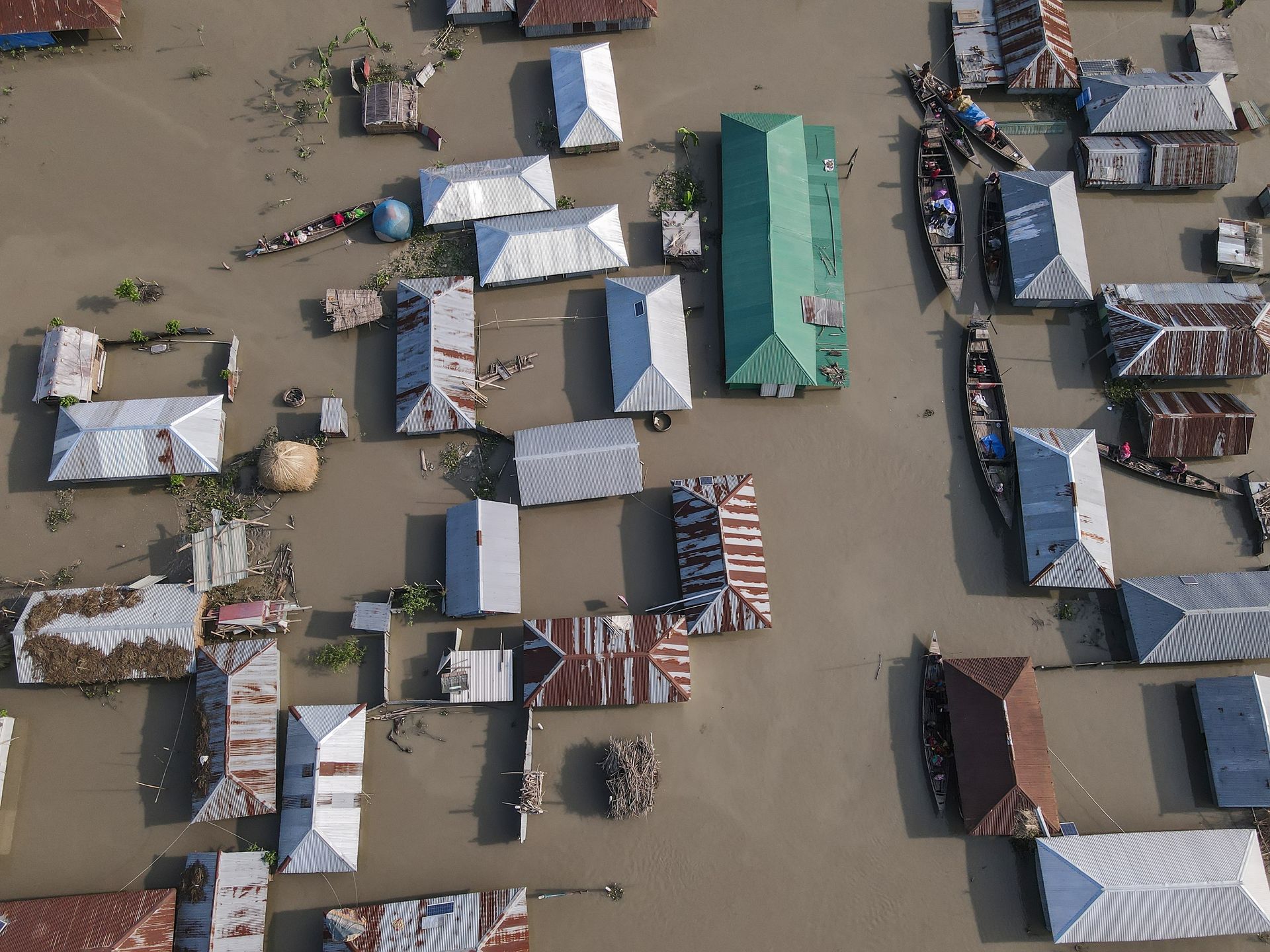
From 5 July, exceptionally heavy monsoon rain, runoff from the hills, high tides and failing embankments caused flash floods, long-lasting waterlogging and landslides across south-eastern Bangladesh.
By 11 July, at least 44 people had died across seven districts. In Chattogram district alone, about 760,000 people were affected and more than 188,000 families were marooned.
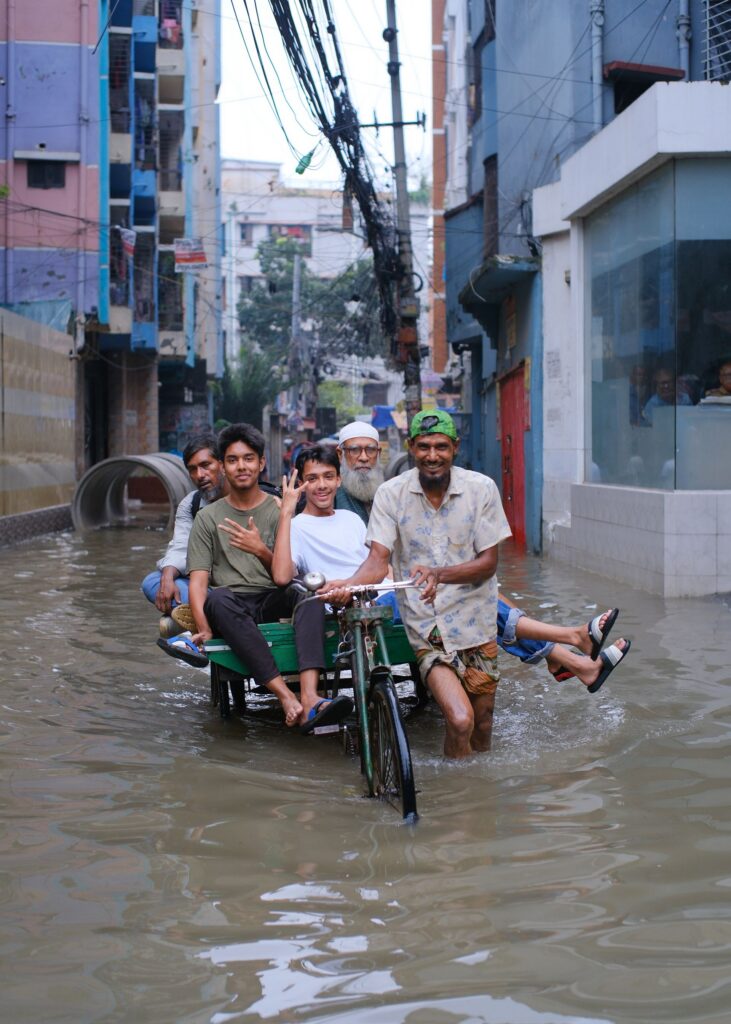
Stranded by water
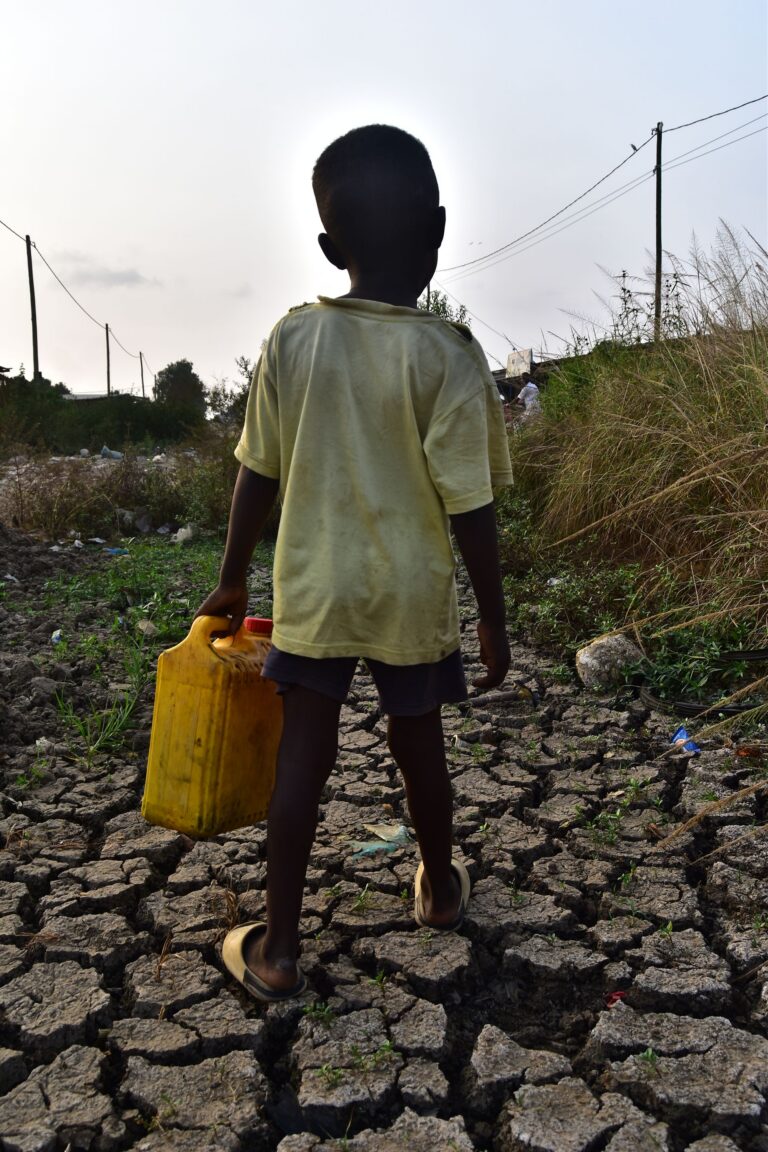
When families are marooned for days, safe drinking water is one of the first things to run out. Floodwater mixes with sewage and fills tube wells, and waterlogged areas can stay flooded for weeks.
The floods also killed more than 161,000 livestock and poultry in the Chattogram region and damaged crops and roads.
What clean water changes after a flood
- Health: safe water and purification tablets for marooned families.
- Protection: stronger embankments that hold in heavy rain.
- Recovery: cleaned tube wells so villages can drink safely again.
How you can help
Share this story and follow organisations supporting flood-hit families in Bangladesh.
Source: The Lancet, “July 2026 floods in Chattogram, Bangladesh: an escalating emergency”; Mappr, on livestock losses, July 2026.