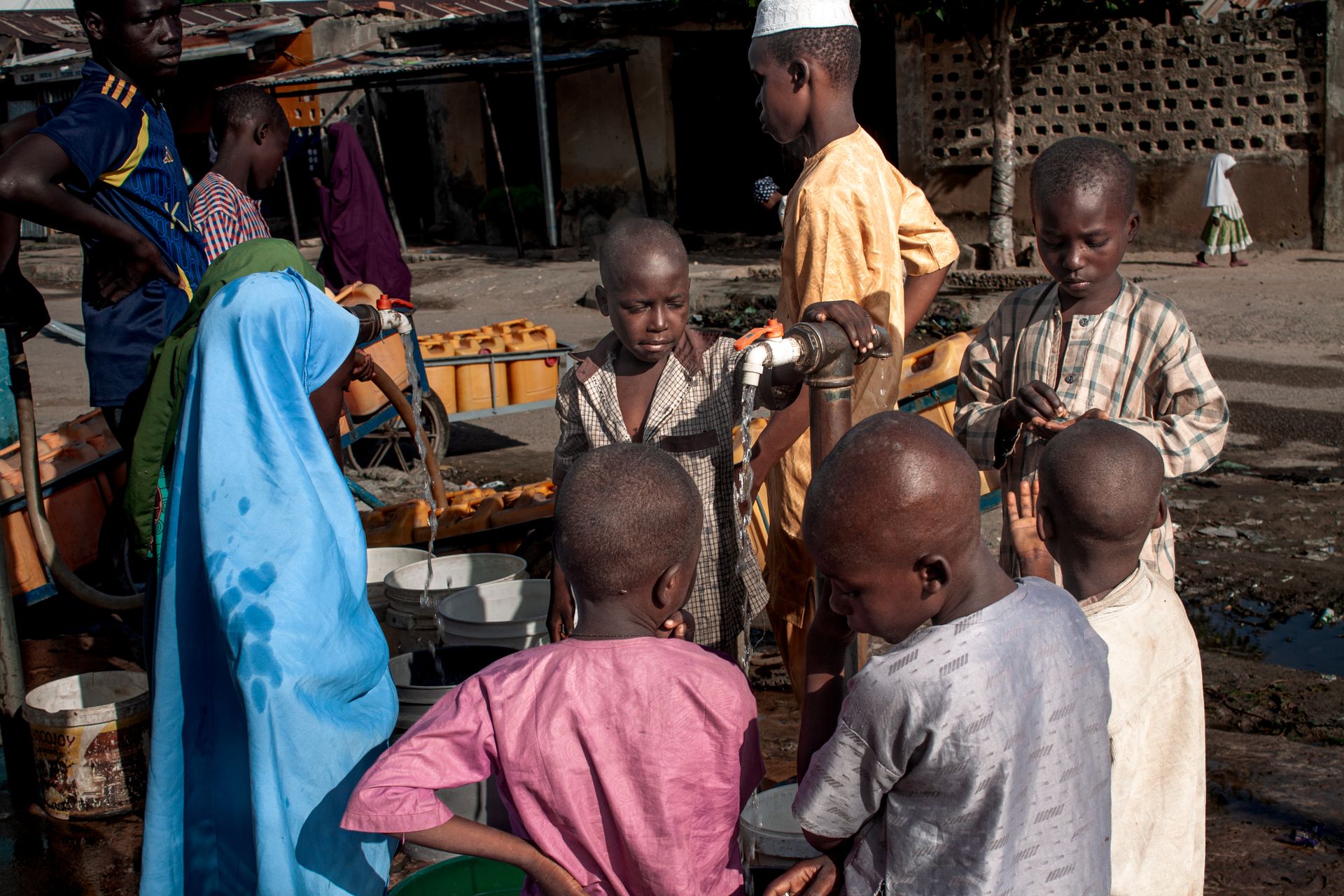
Every 16 June, Africa marks the Day of the African Child. In 2026, the theme was “Ensuring Universal Access to Water, Sanitation and Hygiene for Every Child in Africa”.
The African Union’s State of Africa’s Children 2026 report looked at the water and sanitation situation for nearly 700 million children across the continent, and how it affects their survival, schooling and future.
These are not privileges. They are fundamental child rights.
Nafisa Binte Shafique, UNICEF Representative in The Gambia
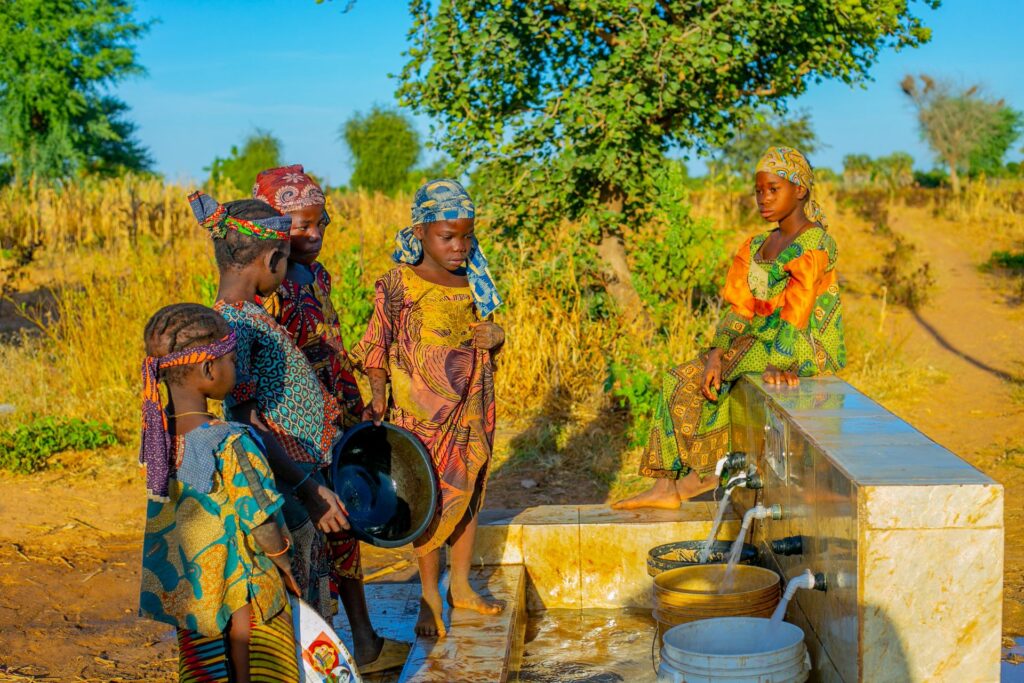
Climate makes it harder
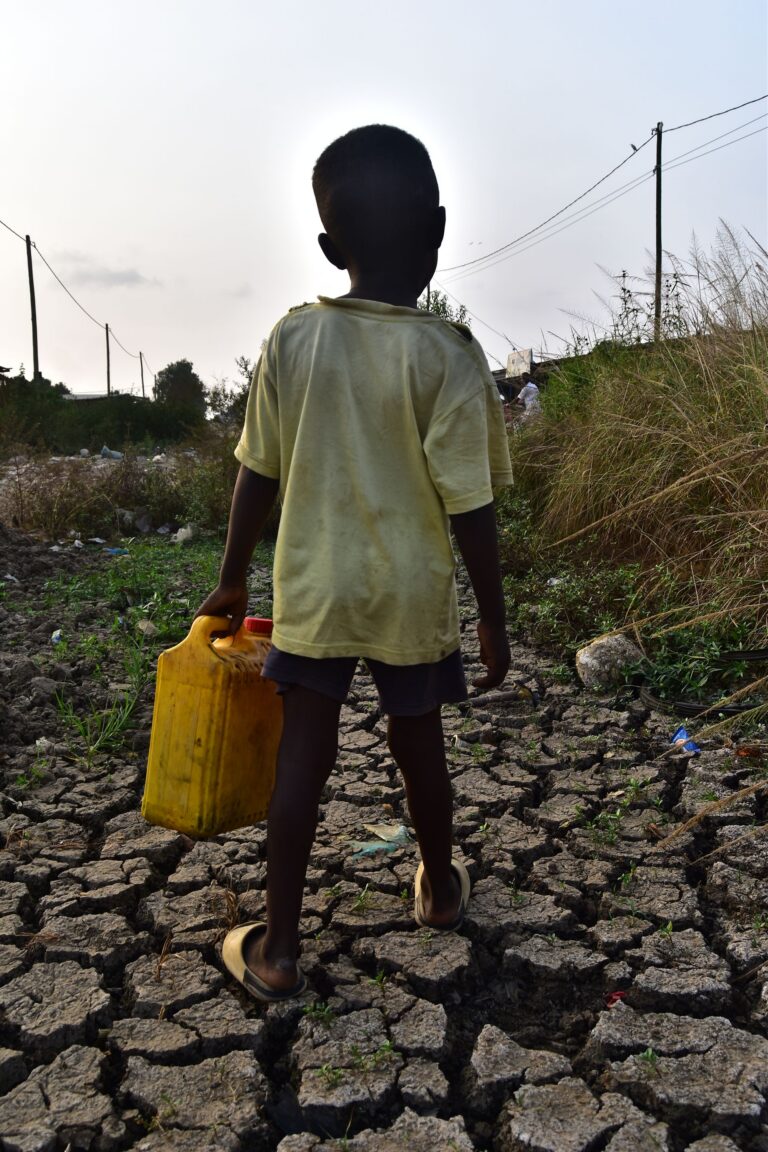
UNICEF warned that climate change is making safe water harder to reach. Floods contaminate and destroy water sources, droughts dry them up, and rising seas make fresh water salty. Children are among the most vulnerable.
Across the world, diseases linked to unsafe water and poor sanitation kill more than 1,000 children under five every day.
What safe water changes for children
- Health: fewer deadly diarrhoeal diseases.
- School: clean water and toilets keep children, especially girls, in class.
- Future: healthier children grow into healthier communities.
How you can help
Share this story on 16 June and tell someone that safe water is a right, not a privilege. Follow organisations working on water for children in Africa.
Source: UNICEF The Gambia, “Clean Water, Safe Schools, Dignified Lives”, 16 June 2026; UNICEF, AU State of Africa’s Children 2026; UNICEF USA, on child deaths.