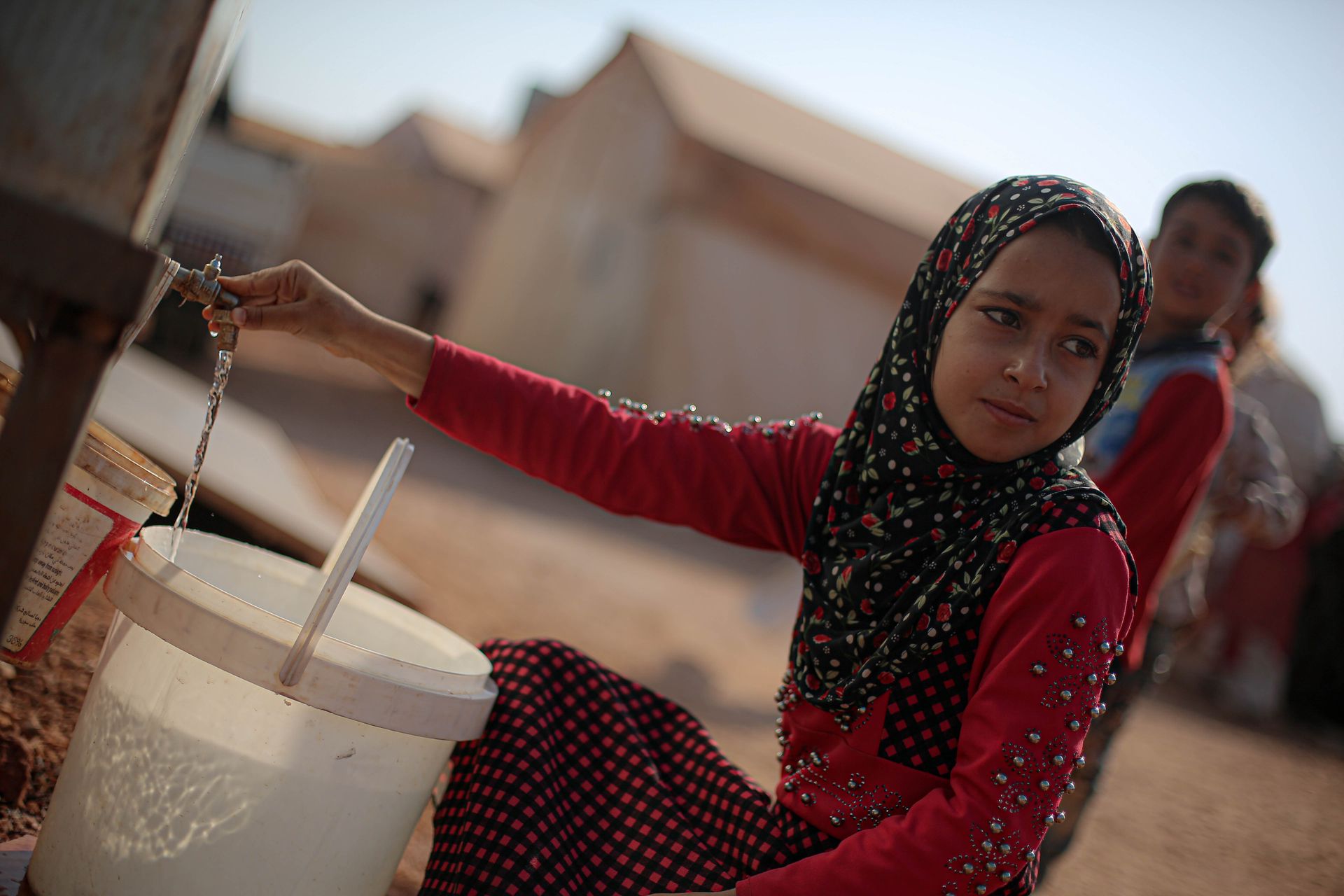
In May, Oxfam set out how conflict is deepening water scarcity across the Middle East. In Gaza, drinking water had fallen below six litres per person per day by early 2026, well below emergency standards. In Lebanon, at least seven critical water sources were damaged in the first four days of a March escalation, cutting off almost 7,000 people in the Bekaa area.
In Yemen, after a decade of war, cholera had affected nearly the whole country by late 2025.
Water is one of the first things to go during conflict.
Oxfam
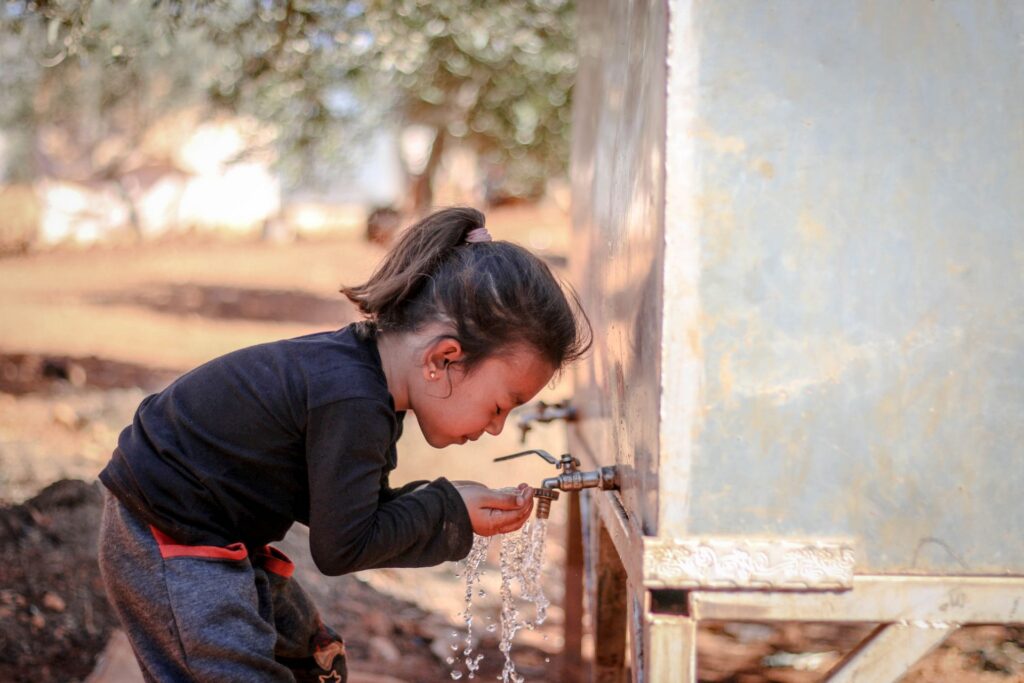
Damage on top of drought
The region was already short of water. Rising temperatures speed up evaporation, and rivers like the Euphrates and the Jordan carry much less water than a generation ago. When pipes, pumps and plants are damaged, communities that were just coping are left with nothing.
The war involving Iran also damaged desalination plants, which millions in the Gulf rely on.
What protecting water changes
- Survival: water systems kept running for civilians in war.
- Health: safe water stops cholera and other diseases.
- Recovery: repairs allowed in quickly when fighting stops.
How you can help
Share this story and follow organisations repairing water systems in Gaza, Lebanon, Syria and Yemen.
Source: Oxfam Australia, “Middle East water crisis: When conflict meets scarcity”, 20 May 2026.