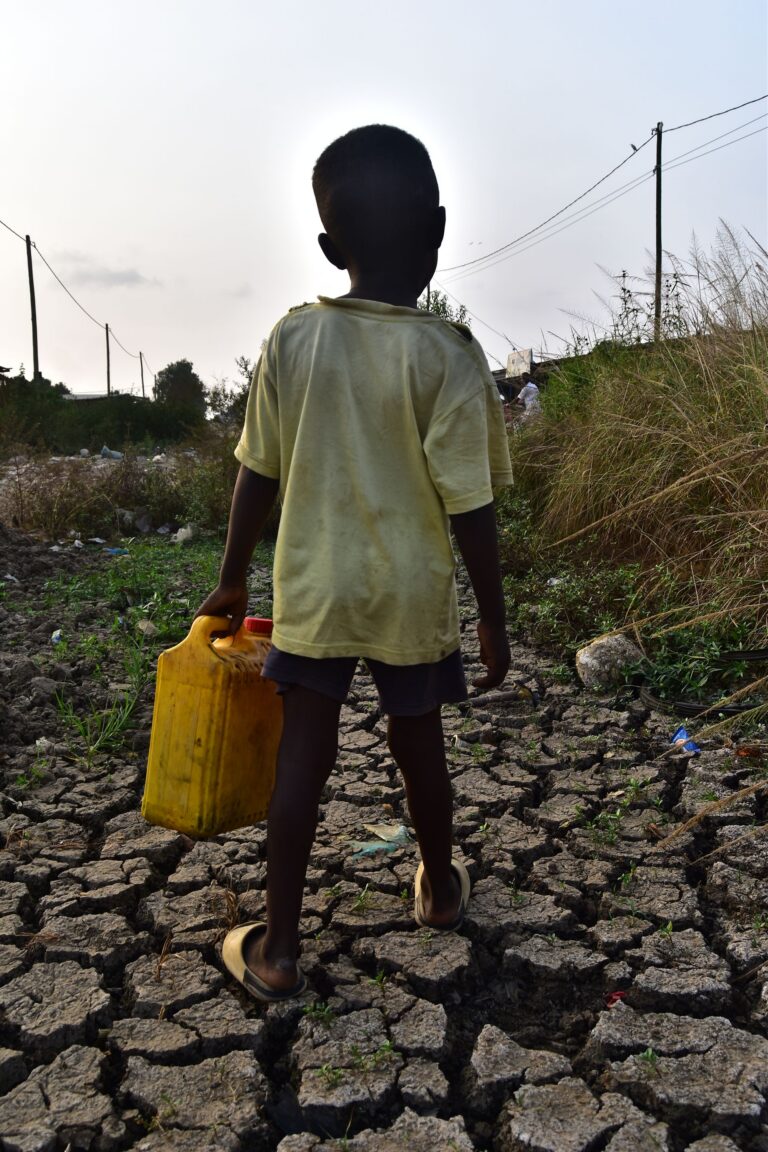
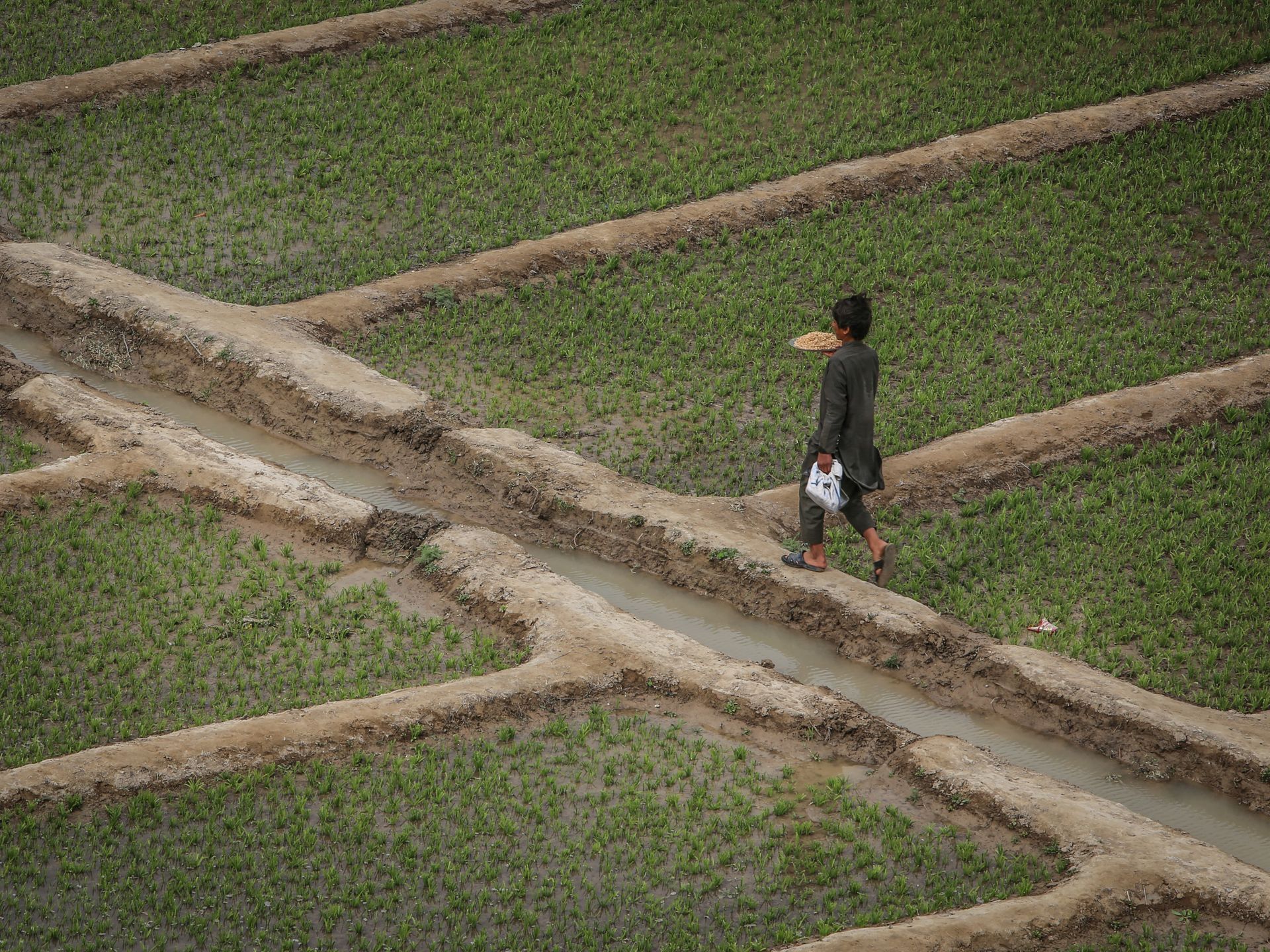
A UN Development Programme report in May found that Afghanistan’s water crisis worsened in 2025, with drought nearly doubling compared with the year before. Between 2024 and 2025, reports of broken or dried-up water points tripled.
The share of households with full access to enough drinking water fell from 59% to 44%. Most of Afghanistan’s 48.6 million people depend on farming, so a lack of water quickly becomes a lack of food.
In a country that depends on agriculture, that brings food insecurity
Najibullah Yusufi, UN climate change expert, speaking to AFP
Groundwater running out
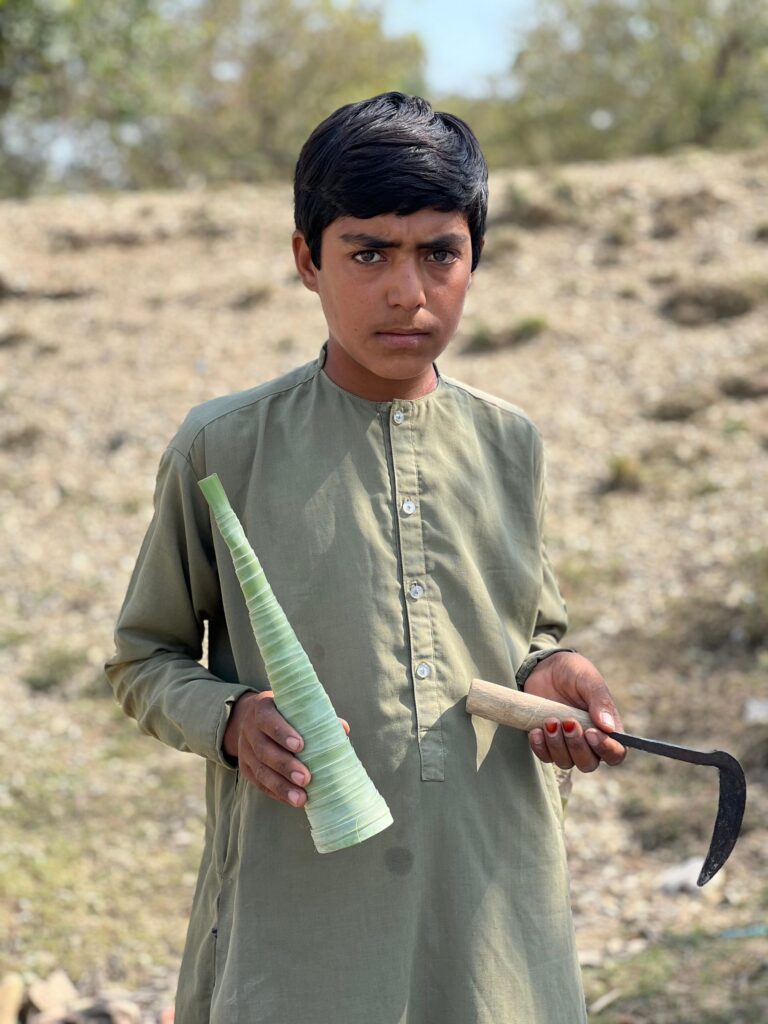
Afghanistan’s environment agency said groundwater, the main source of drinking water for most people, was being depleted fast in major cities. Studies suggest Kabul could run out of groundwater by 2030.
There was some good news: the disaster authority said this year’s rain had been better than last year’s, which could help refill underground water and improve harvests.
What safe water changes in Afghanistan
- Health: working water points mean fewer water-borne illnesses.
- Food: water for crops and animals keeps families fed.
- Time: shorter trips to fetch water, often made by women and girls.
How you can help
Share this story and read our April post on Kabul’s water crisis. Follow organisations providing safe water in Afghanistan.
Source: Al-Ahram / AFP, “Afghanistan’s water crisis worsened last year: UN report”, 14 May 2026.