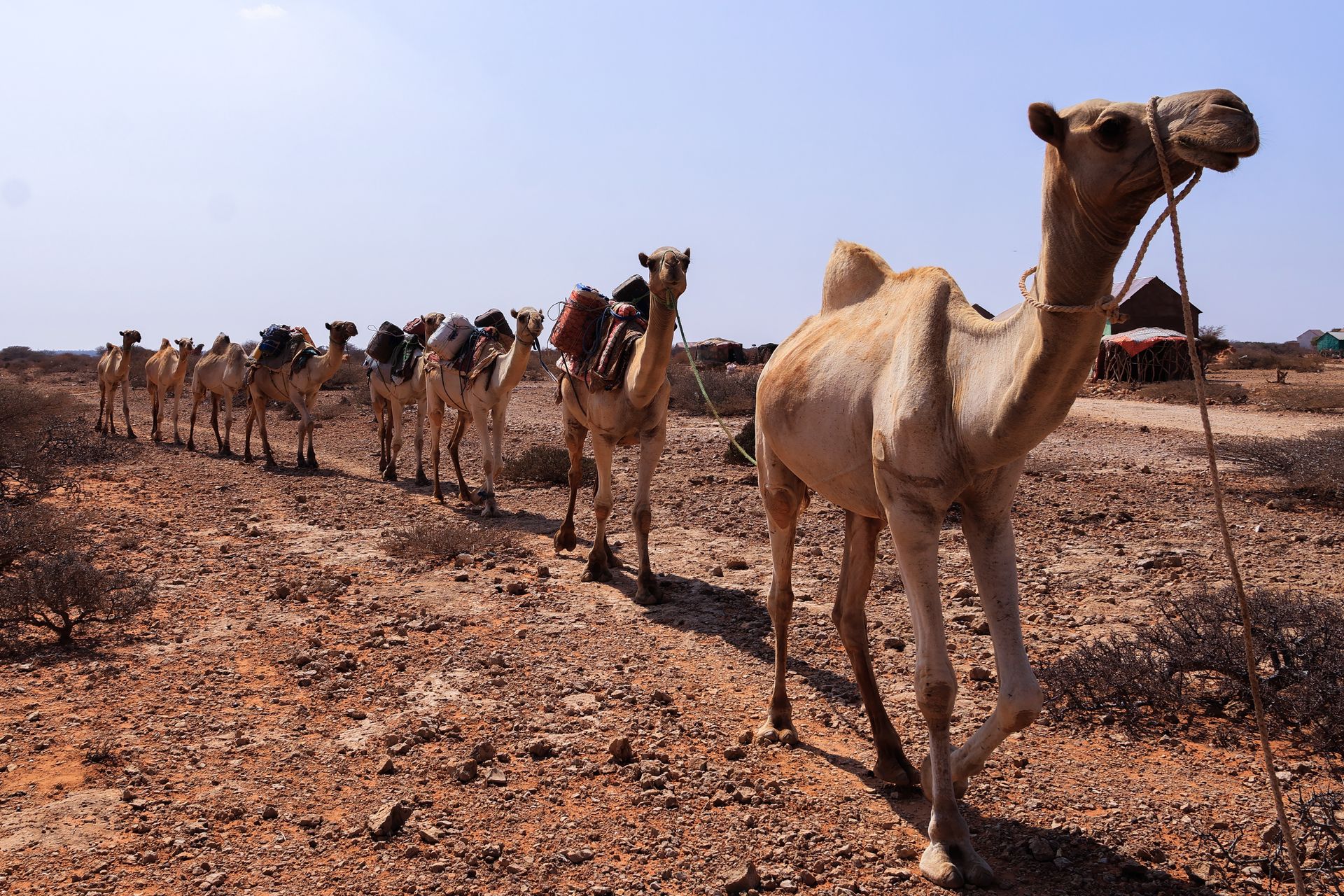
A report from the EU’s Joint Research Centre in April described a sequence of droughts hitting East Africa since 2021. Somalia, south-eastern Ethiopia and eastern Kenya had historically low soil moisture and badly stressed vegetation.
Around 4.6 million people were affected, more than 135,000 had been displaced in Somalia, and about 2 million children faced acute malnutrition. Somalia had declared a drought emergency in November 2025, and over 5.2 million people there lacked safe water.
Water first, then food
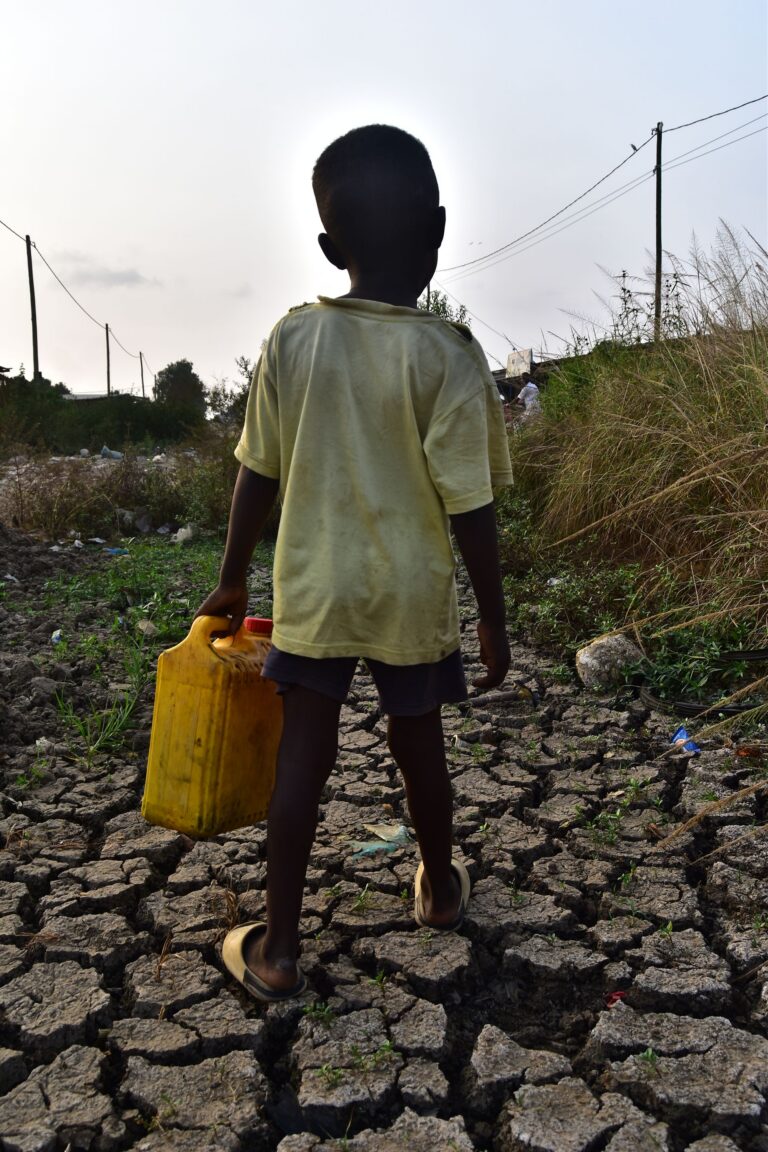
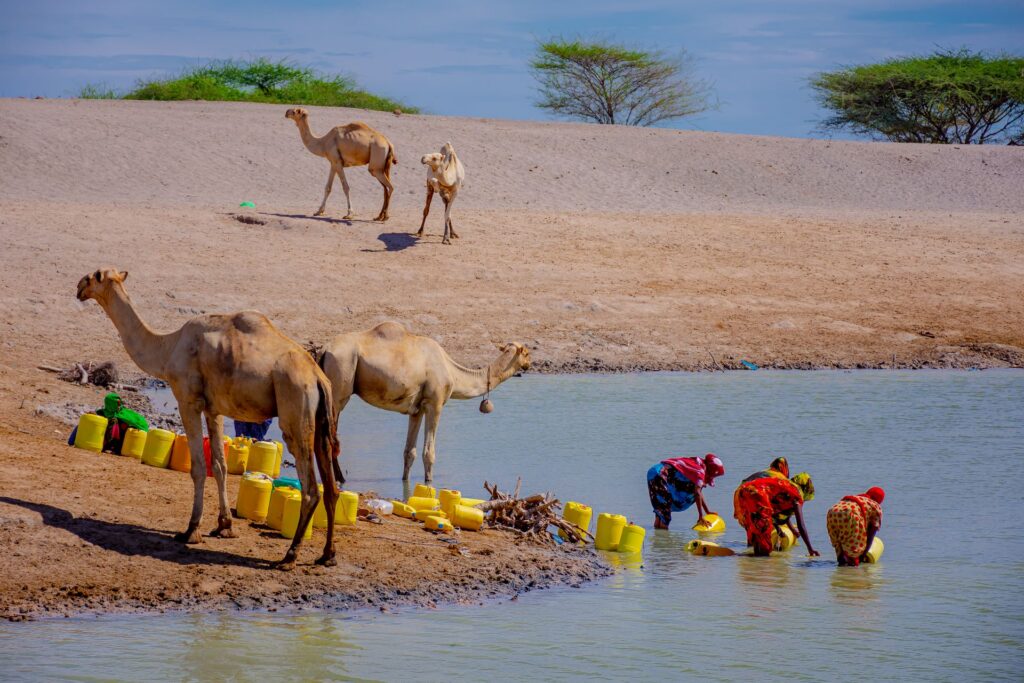
Without safe water, drought quickly becomes a health emergency. In Somalia, the lack of safe water led to outbreaks of cholera, diarrhoea and measles. Hungry children are far more likely to die from these diseases.
Funding has fallen short. By early 2026, only €370 million of the €1.4 billion needed for the humanitarian response had been secured.
What clean water changes in a drought
- Health: safe water prevents the diseases that kill malnourished children.
- Livelihoods: water points keep livestock alive.
- Stability: families can stay home instead of moving to camps.
How you can help
Share this story so East Africa’s drought doesn’t become a forgotten crisis. Follow organisations providing water in Somalia, Ethiopia and Kenya.
Source: EU Joint Research Centre, “Drought in East Africa and Middle East / Central Asia”, April 2026; Somalia Health Cluster Bulletin, November 2025.