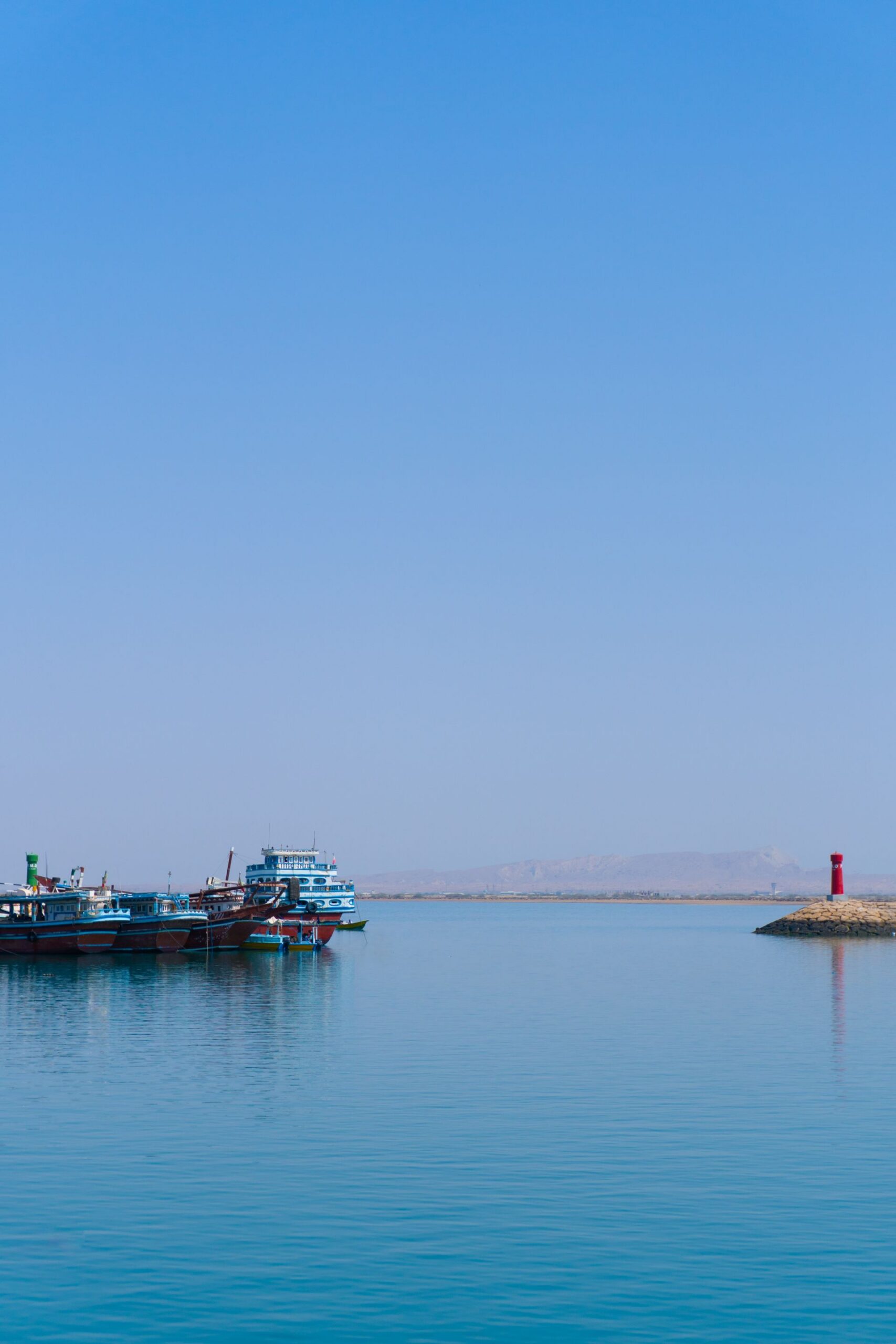
On 31 March, a senior official at Iran’s health ministry said one of the desalination plants on Qeshm Island, in the Strait of Hormuz, was completely out of service after being struck in early March. He said it could not be repaired in the short term.
Qeshm depends on desalination for its drinking water. The plant was the one Iran’s foreign minister had said was damaged in a US strike on 7 March, a claim the US rejected.
Drinking water on Qeshm Island is supplied by desalination plants
Head of the Environmental and Occupational Health Center, Iran’s Ministry of Health
Repairs that take time
Modern desalination plants can sometimes be repaired in days or weeks if only part is damaged. Older plants, or damage to specialised parts like high-pressure pumps, can take much longer. During a war, spare parts and engineers are even harder to bring in.
The day before, US President Donald Trump had threatened to target desalination facilities, according to the Washington Examiner.
What protecting water changes
- Survival: islands and desert towns keep their only drinking water.
- Recovery: spare parts and repair teams allowed in quickly.
- Backup: stored water and tankers when a plant goes down.
How you can help
Share this story and keep asking for water systems to be protected in conflict. Read our earlier post on the damage to Gulf desalination plants.
Source: Washington Examiner, “Iran says US-Israel strike knocked desalination plant offline in Strait of Hormuz”, 31 March 2026; The Chemical Engineer, on repair times, 16 March 2026.