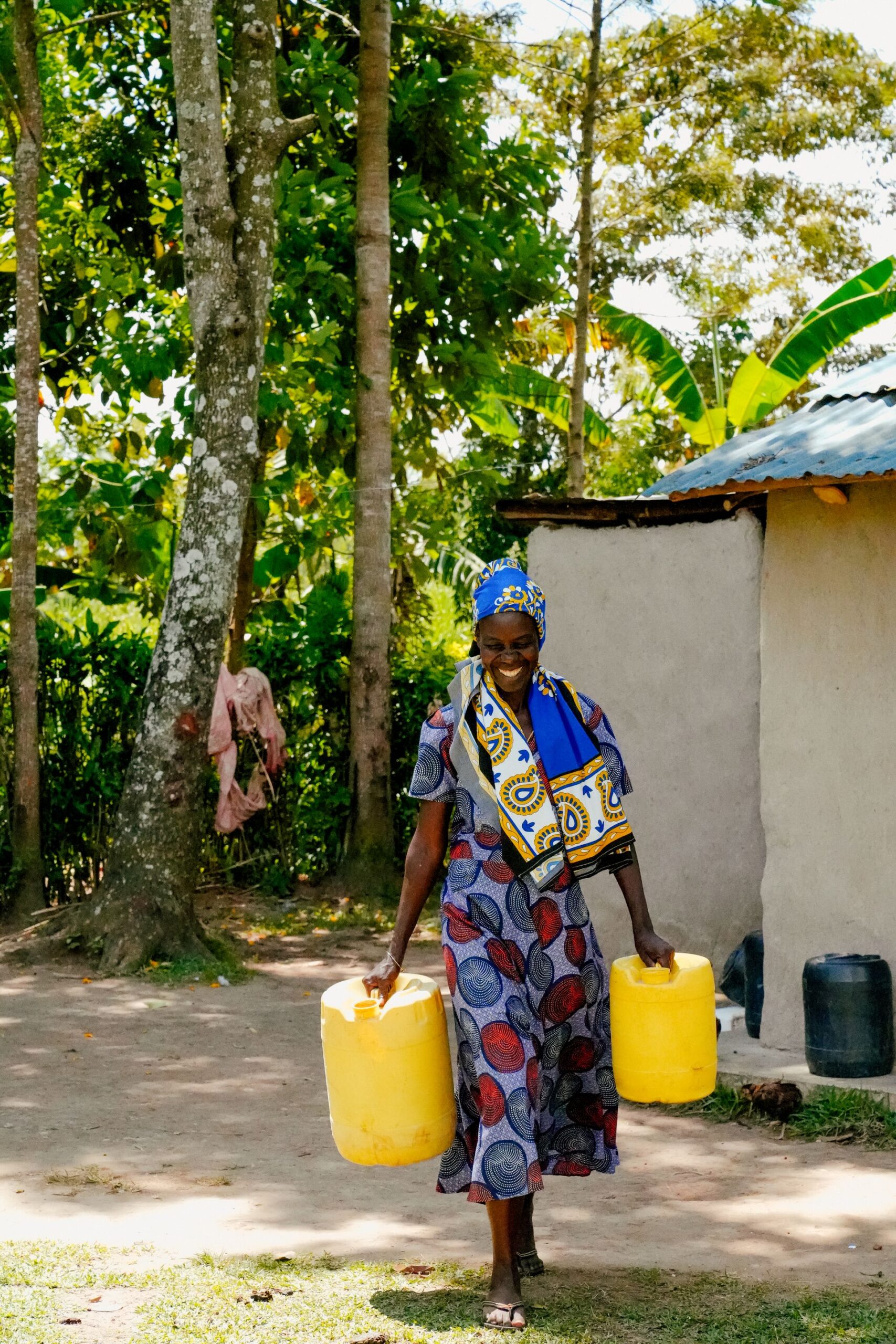
The theme of World Water Day 2026, held on 22 March, is “Water and Gender”. On 19 March, the UN launched its World Water Development Report, “Water for All People: Equal Rights and Opportunities”, at UN headquarters in New York.
The report looks at how a lack of safe water and toilets falls hardest on women and girls, and how few women hold decision-making roles in the water sector.
When water systems fail, progress fails.
Catherine Russell, Executive Director, UNICEF
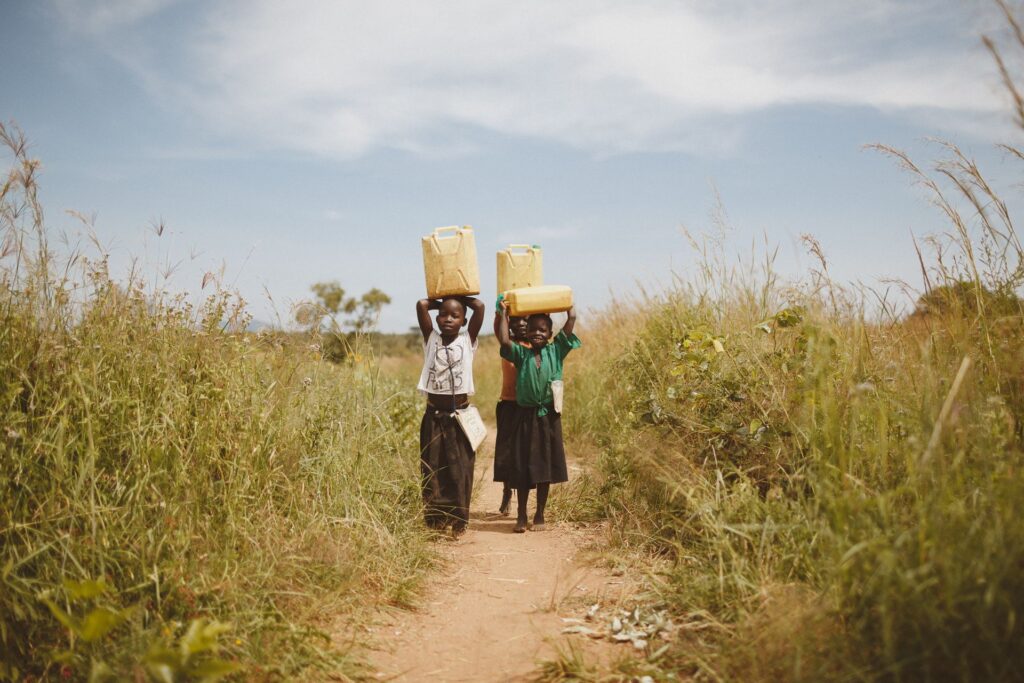
Who carries the water
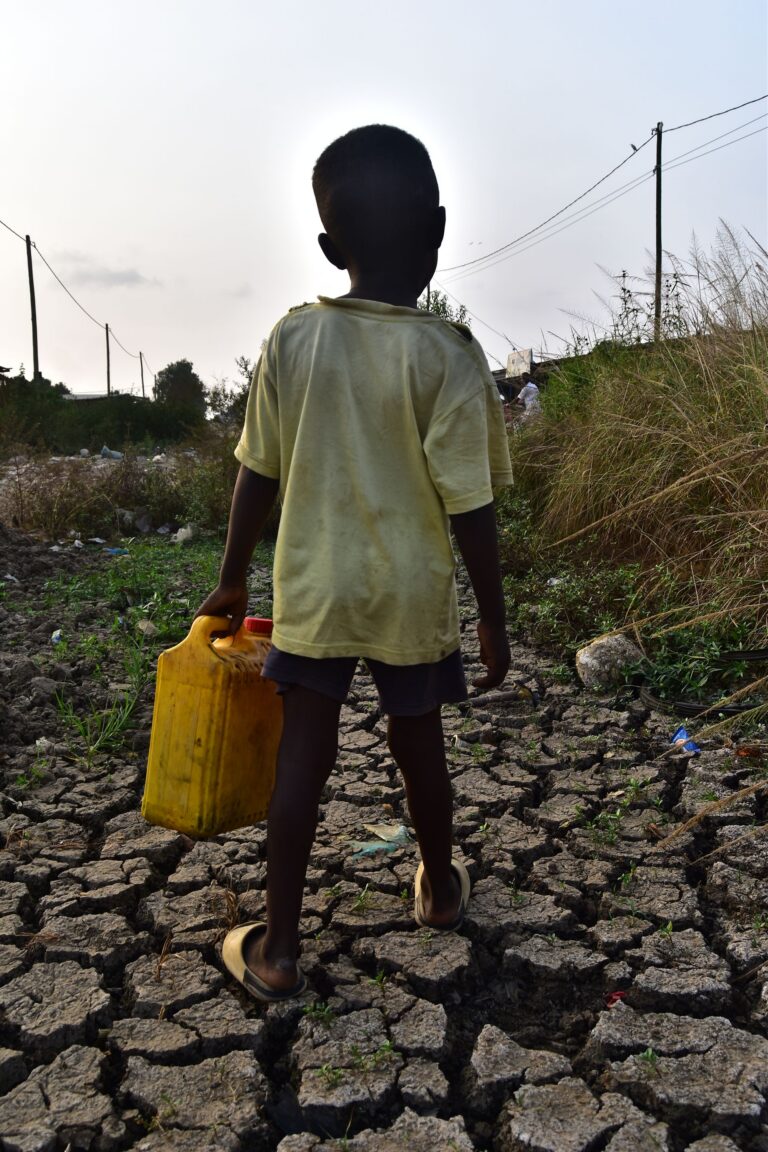
When there is no water at home, the job of fetching it usually falls to women and girls. That is time taken from school, work and rest. Girls also drop out of school when there are no safe toilets or support for periods.
UNICEF says designing water services with girls in mind, with water close to home and safe toilets in schools, has an immediate impact.
What equal access changes
- Education: girls stay in school when water and toilets are close.
- Safety: shorter walks mean less risk on the way.
- Voice: women helping to decide how water is shared.
How you can help
Share this story on World Water Day and ask who in your community makes decisions about water. Follow organisations putting women and girls at the centre of water projects.
Source: United Nations, World Water Day 2026 launch event; GCED Clearinghouse / UNESCO, 19 March 2026; Human Concern, on time spent collecting water; quote from UNICEF, World Water Day 2026 remarks.