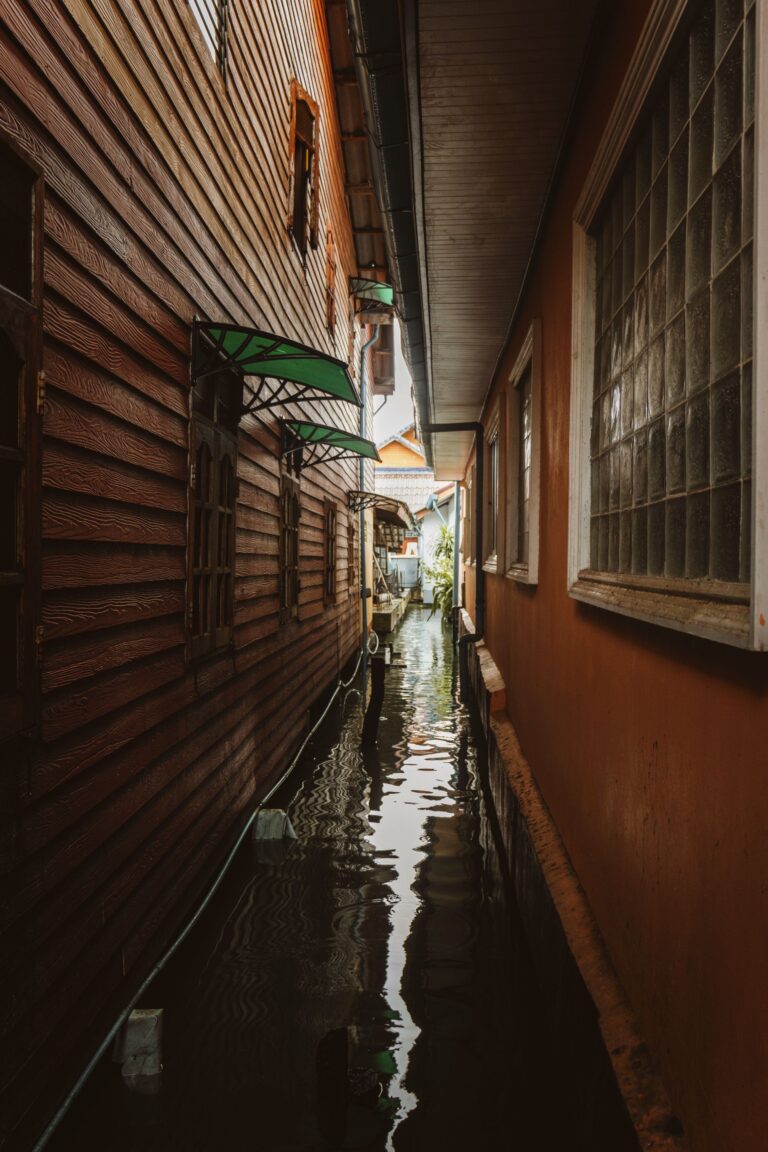
On the night of 6 March, heavy rain made the Nairobi River burst its banks. Roads flooded, cars were swept away, and 23 people died in the capital that night, some drowned and some electrocuted by damaged power lines.
By 13 March, the floods had killed 62 people across Kenya. By the end of the month, CARE reported 88 deaths and more than 70,000 people displaced.
The situation is extremely worrying
Getrude Misango, Country Director, CARE Kenya
Too much and too little
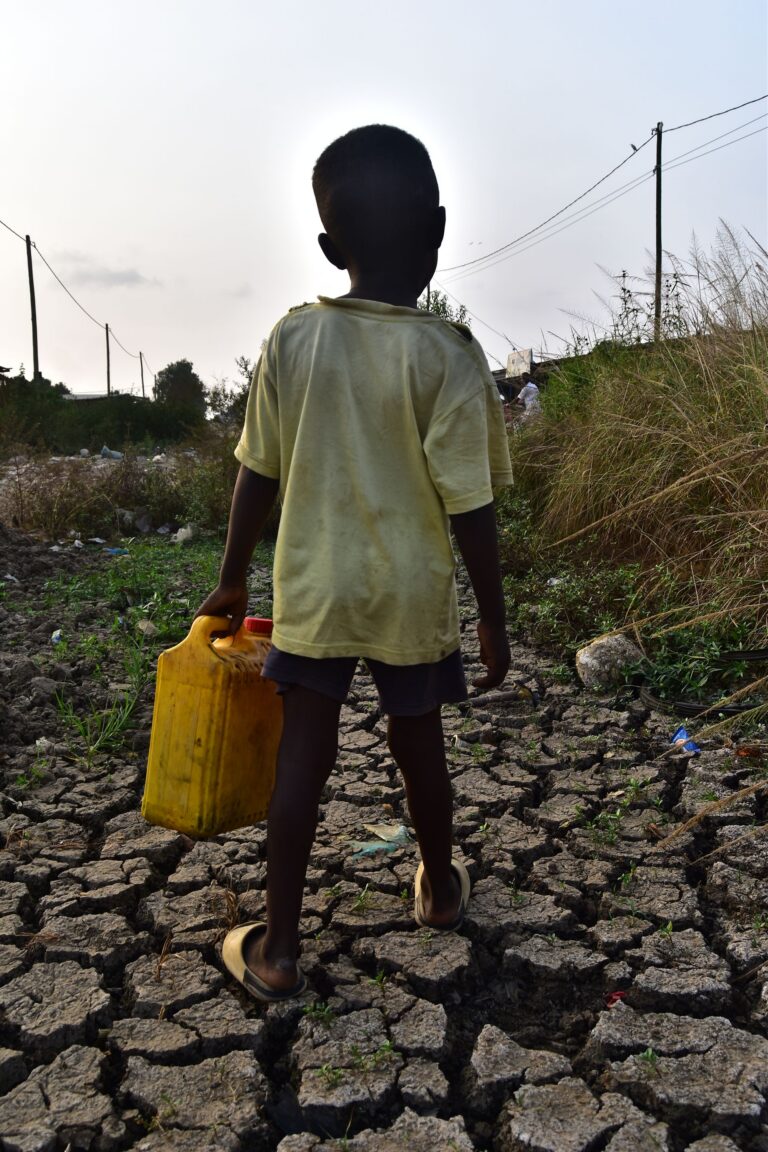
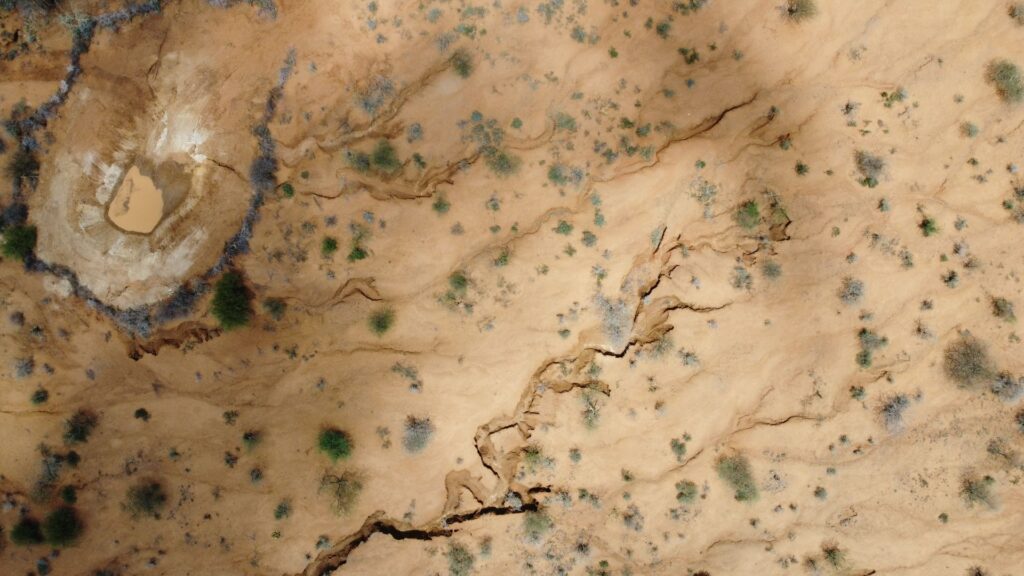
While Nairobi flooded, Kenya’s arid north-east was in drought. Up to 90% of open water sources there had dried up, and more than 3.3 million people faced acute food insecurity.
Floodwater contaminated water sources, latrines and household storage, raising the risk of cholera, which surged during Kenya’s 2025 rainy season.
What clean water changes
- Health: protected water sources stop floods spreading cholera.
- Survival: water points in drought areas keep families and herds alive.
- Planning: storing rainwater in wet seasons for dry ones.
How you can help
Share this story to show how floods and drought can hit one country at once. Follow organisations working on water and health in Kenya.
Source: Wikipedia, “2026 Kenya floods” (citing Reuters); quote and later figures from CARE, “Kenya faces flood emergency in addition to drought crisis”, 27 March 2026.