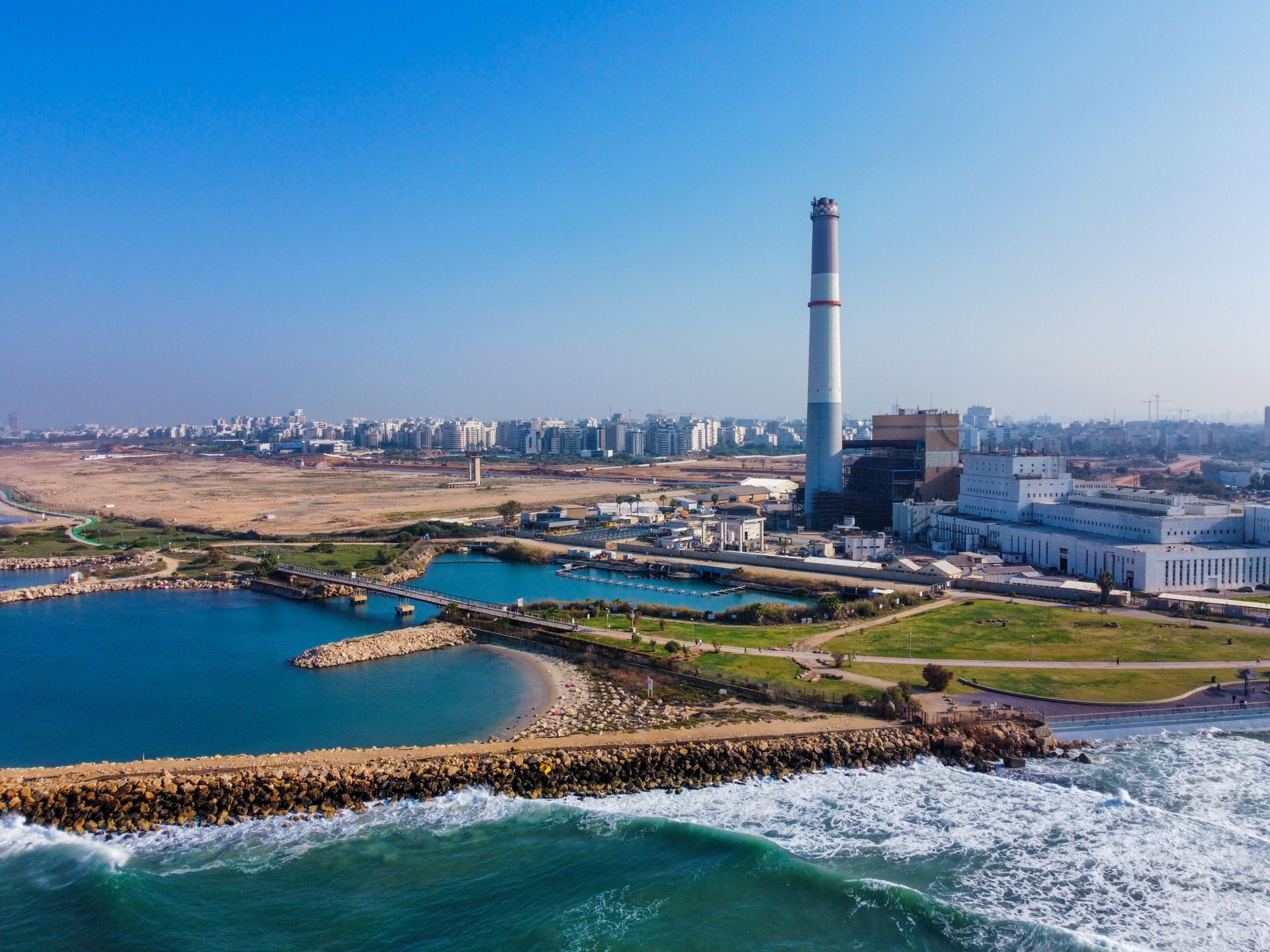
Within days of the conflict involving Iran, the US and Israel beginning on 28 February, desalination plants were hit on both sides of the Gulf. On 7 March, Iran’s foreign minister said a US strike had damaged a plant on Qeshm Island. The next day, Bahrain said an Iranian drone had damaged one of its plants and injured three people.
Iran and the US each denied responsibility for the strike blamed on them. Both governments said their plants were damaged rather than destroyed.
Water supply in 30 villages has been impacted.
Abbas Araghchi, Foreign Minister of Iran
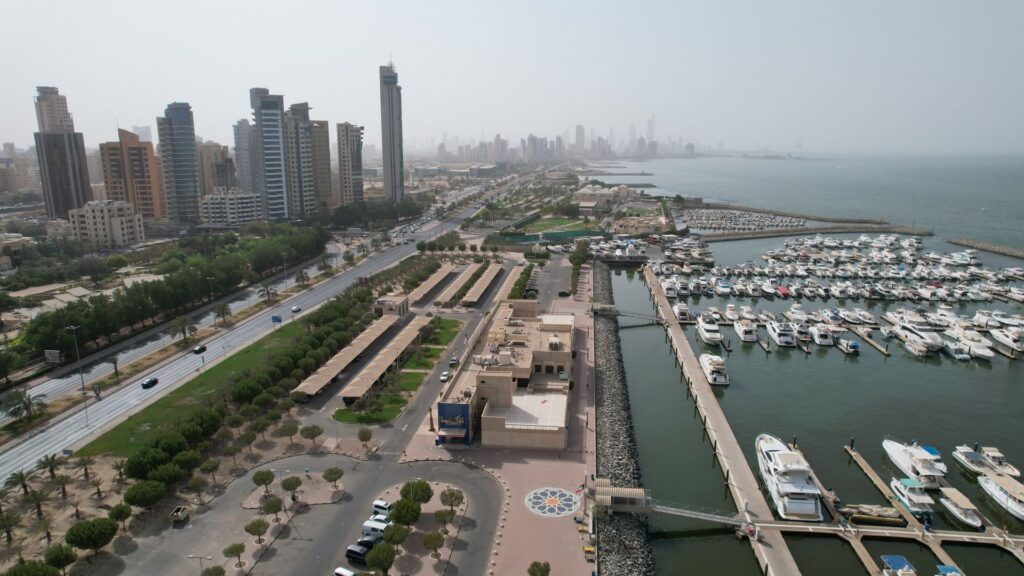
A region that drinks the sea
Desalination supplies about 90% of drinking water in Kuwait, 86% in Oman and 70% in Saudi Arabia. Bahrain relies on it almost entirely for its 1.6 million people. More than 90% of the Gulf’s desalinated water comes from just 56 plants.
Iran, by contrast, gets most of its water from rivers, dams and underground. UN water expert Kaveh Madani warned that attacks on plants supplying civilians could amount to a war crime.
What protecting water changes
- Survival: drinking water for millions who have no other source.
- Law: water systems treated as civilian infrastructure, off limits in war.
- Resilience: backup storage so one damaged plant doesn’t leave a city dry.
How you can help
Share this story and talk about why water infrastructure should be protected in every conflict. Follow organisations working on water in the Middle East.
Source: MEED, “Desalination plants hit amid escalating conflict”, 10 March 2026; The Chemical Engineer, 16 March 2026; GZERO Media, 16 March 2026; Al Jazeera, on desalination shares.