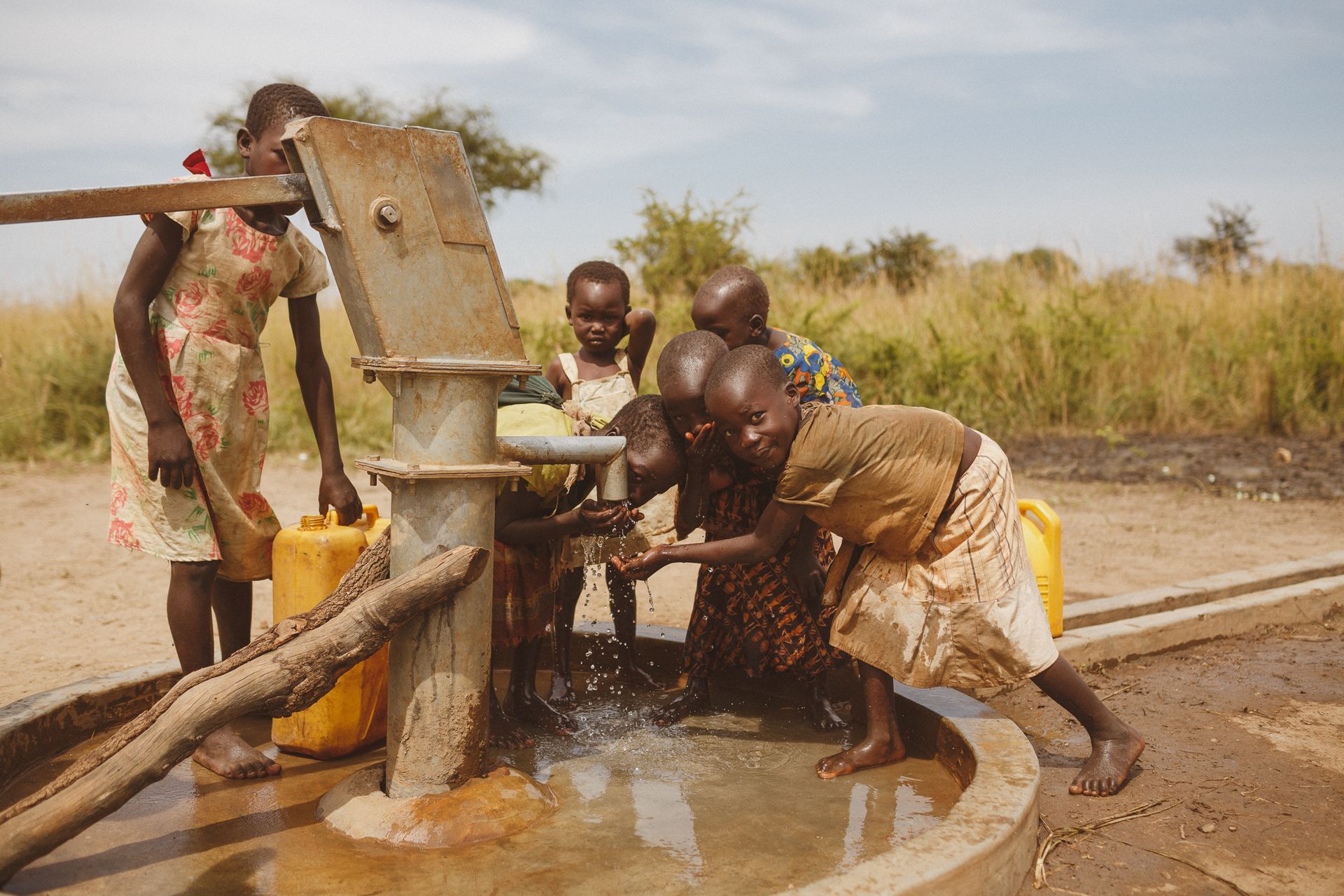
Floodwater carries sewage into drinking water, and southern Africa’s January floods did exactly that. By mid-February, Namibia was battling its first significant cholera resurgence in a decade, with 32 confirmed and 99 suspected cases centred on Grootfontein district after floods damaged sanitation.
In Malawi, health officials named unsafe water sources as the main cause of new infections in Blantyre. Mozambique had recorded between 6,300 and 6,500 cholera cases since September 2025, with 94 confirmed deaths.
It’s not just the water that took the house
Ana Sérgio, resident of Chihaquelane, Gaza province, Mozambique, speaking to Nature
A disease of unsafe water
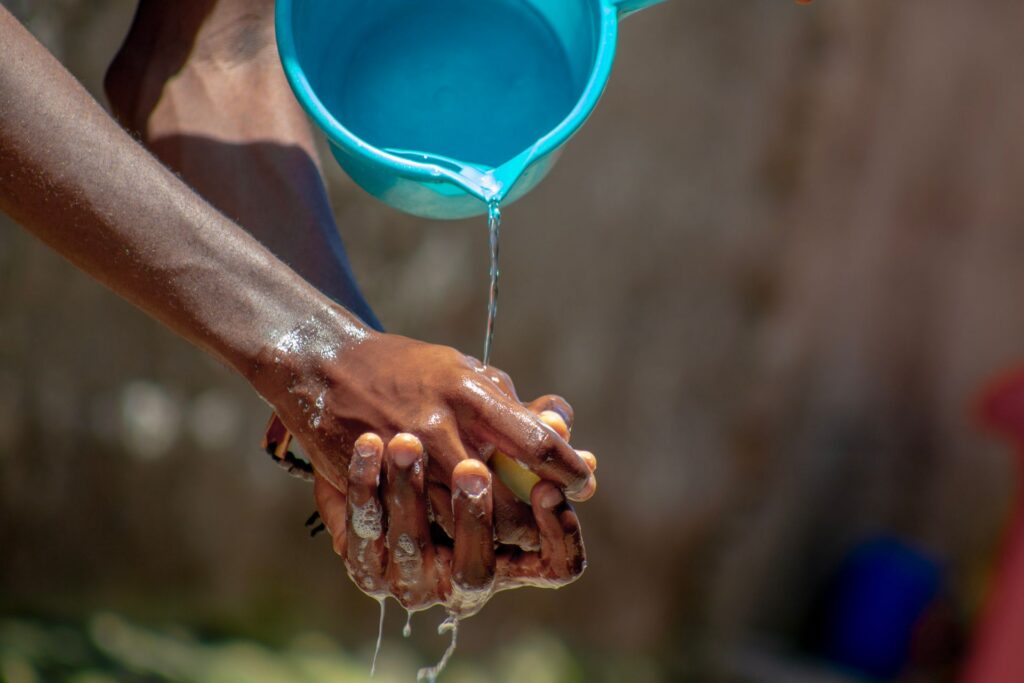
Cholera is caught by swallowing food or water contaminated with the bacteria. It spreads fastest where families have no safe water, no toilets and nowhere to wash. In Mozambique, 229 health facilities were damaged or flooded, so help was harder to reach just when it was most needed.
On 26 February, the World Health Organization warned that southern Africa faced an acute surge in cholera because of the floods and displacement.
What clean water changes
- Prevention: safe drinking water stops cholera before it starts.
- Hygiene: toilets and handwashing cut the chain of infection.
- Care: working clinics can treat people quickly.
How you can help
Share this story and learn the basics: cholera is preventable and treatable. Follow organisations working on water, sanitation and health in southern Africa.
Source: The Water Diplomat, “Floods trigger humanitarian crisis in Southern Africa”, 23 February 2026; WHO Africa, 26 February 2026; quote and Mozambique figures from Nature.