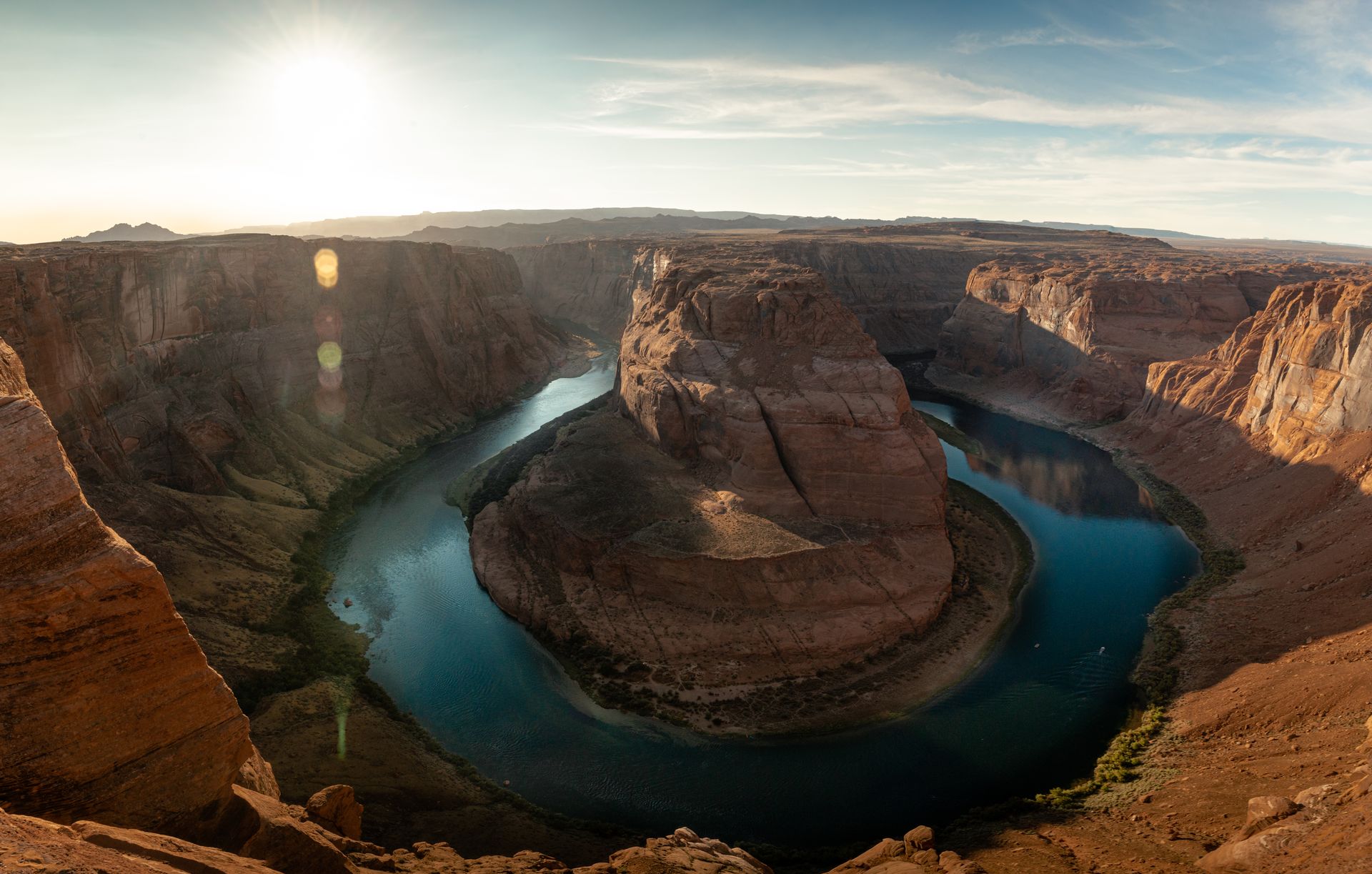
The seven US states that use the Colorado River had until 14 February to agree how to divide its water once the current rules expire later in 2026. They missed the deadline, after already missing one in November.
The river supplies water to about 40 million people and around 5.5 million acres of farmland. The main dispute is between the upper basin states, which resist compulsory cuts, and the lower basin states, which have already taken big reductions.
Our chief negotiators now have their marching orders: make a deal and make it soon
Wyoming’s governor, after meeting the Interior Secretary in Washington
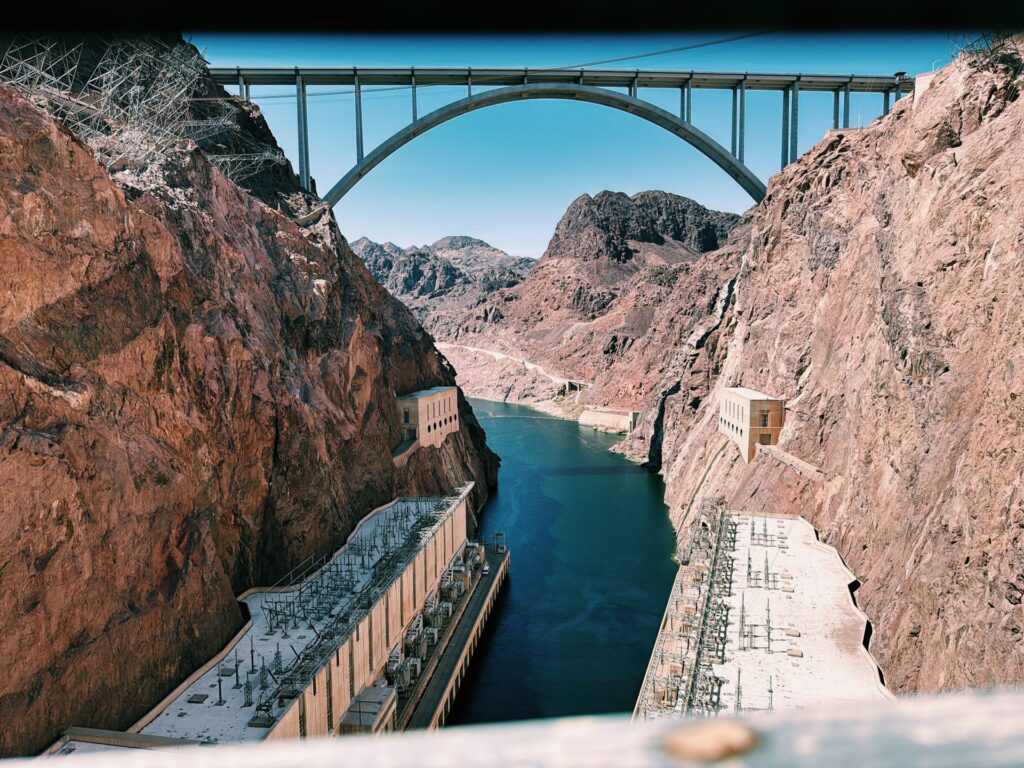
A river promised too much water
A 1922 agreement divided the river based on flows that no longer exist. Arizona has already lost 18% of its share, and the river has lost more than 10 trillion gallons over the past two decades. Mexico’s river delta wetlands have been dry for years.
If the states can’t agree, the federal government may impose its own plan, which could end up in court. All this came during one of the driest winters on record.
What fair sharing changes
- Security: reliable water for cities and farms.
- Nature: water left in the river for wetlands and wildlife.
- Stability: a plan agreed before reservoirs run too low.
How you can help
Share this story and look up where your own water comes from. The same question of how to share a shrinking river comes up from the Nile to the Indus.
Source: KJZZ, “Colorado River states face weekend deadline for new deal”, 13 February 2026; Western Water, 2 February 2026; ABC15, on Arizona’s cut; Udall Center, 20 March 2026; quote from Bigfoot99, 2 February 2026.