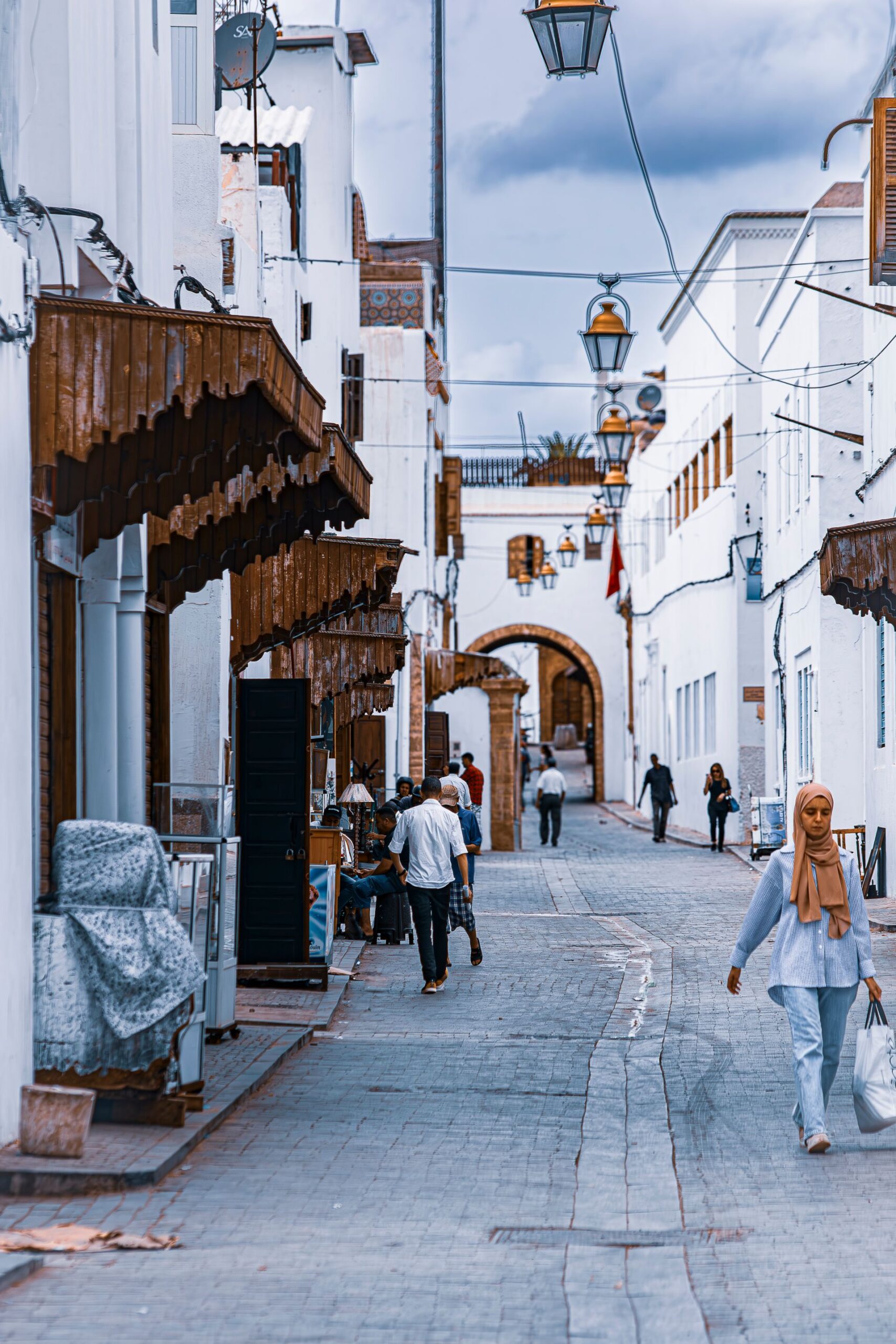
On Sunday 14 December, heavy rain fell on Safi, a city on Morocco’s Atlantic coast. About 37mm fell in a short time on the historic Bab Chabaa district, which is crossed by a river.
The water swept cars and bins through the streets and flooded around 70 homes and shops. By the next day, 37 people had died. It was Morocco’s deadliest flood in at least a decade.
I have nothing left. I’ve lost everything.
A Safi resident, speaking to AFP
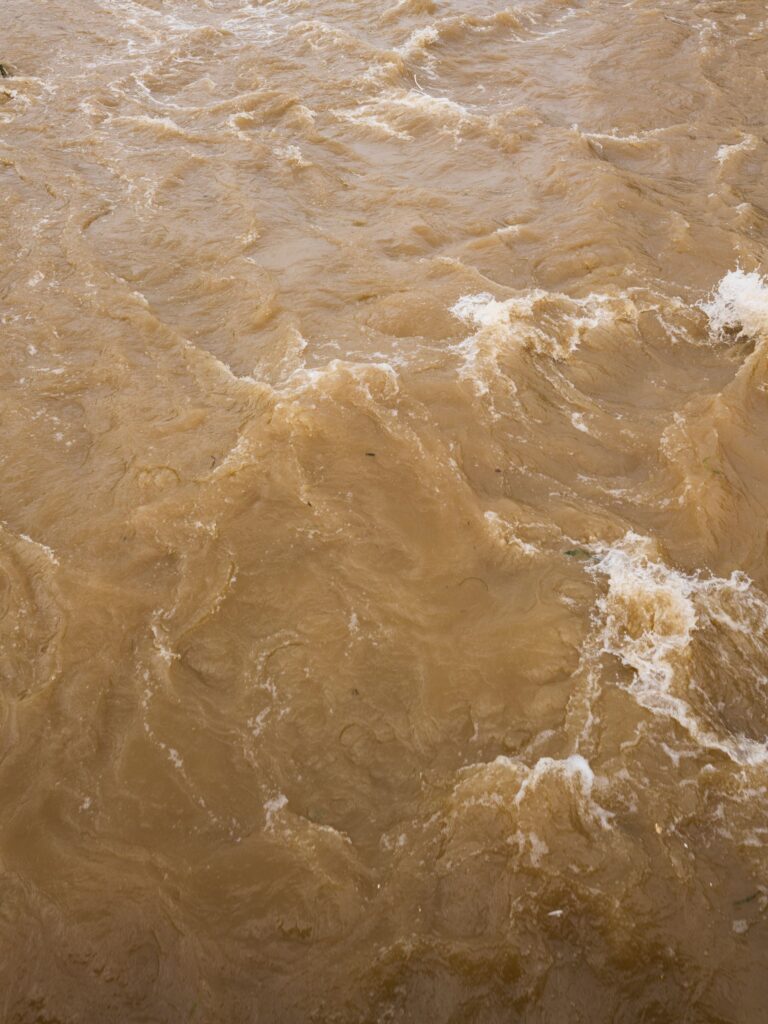
Drought and flood, side by side
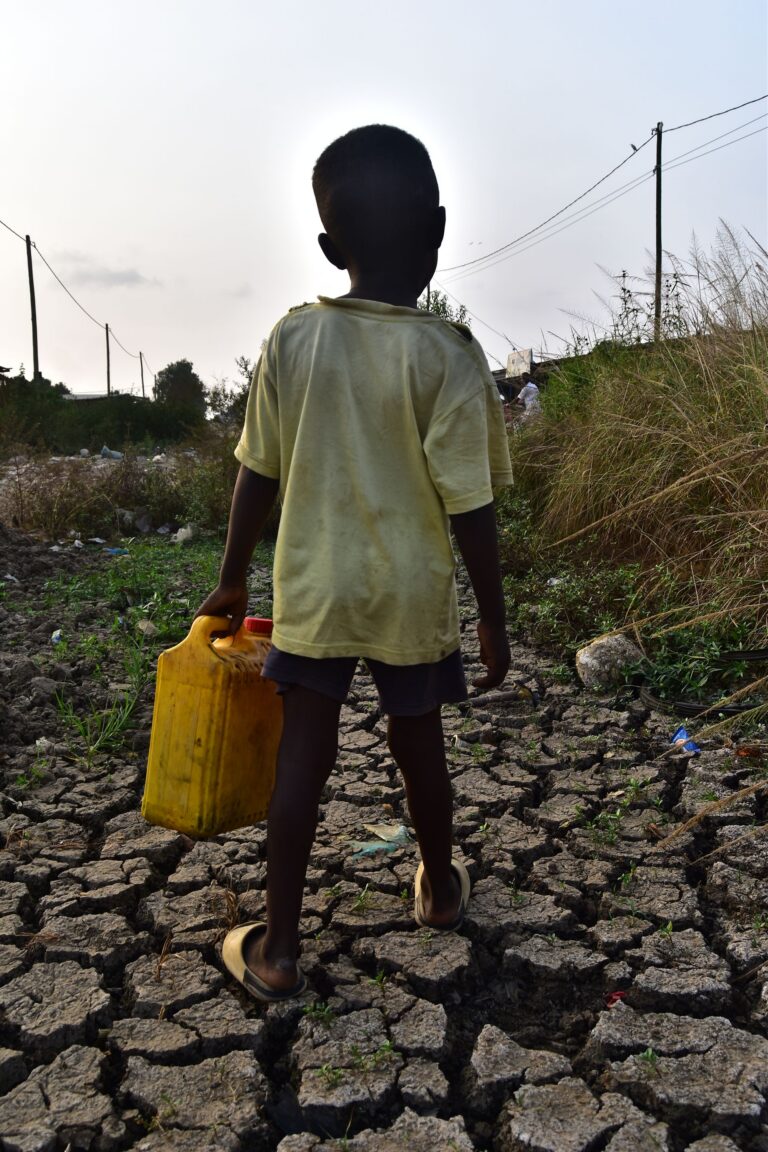
Morocco was in its seventh year of severe drought, and 2024 had been its hottest year on record. Years of dry weather leave the ground hard, so when heavy rain finally comes, it runs off instead of soaking in.
Safi is known for its pottery, and its streets were left littered with smashed bowls and tagines. Schools closed for at least three days.
What better water planning changes
- Safety: drains and flood channels that can handle sudden rain.
- Storage: capturing heavy rain to refill reservoirs during drought.
- Warning: alerts that reach people before the water does.
How you can help
Share this story and talk about how drought and flooding are connected. Follow organisations working on water resilience in North Africa.
Source: EWN / AFP, “Flash floods kill 37 in Moroccan coastal town”, 15 December 2025; quote: Al-Monitor / AFP, “Flash flood kills dozens in Morocco town”, 15 December 2025.