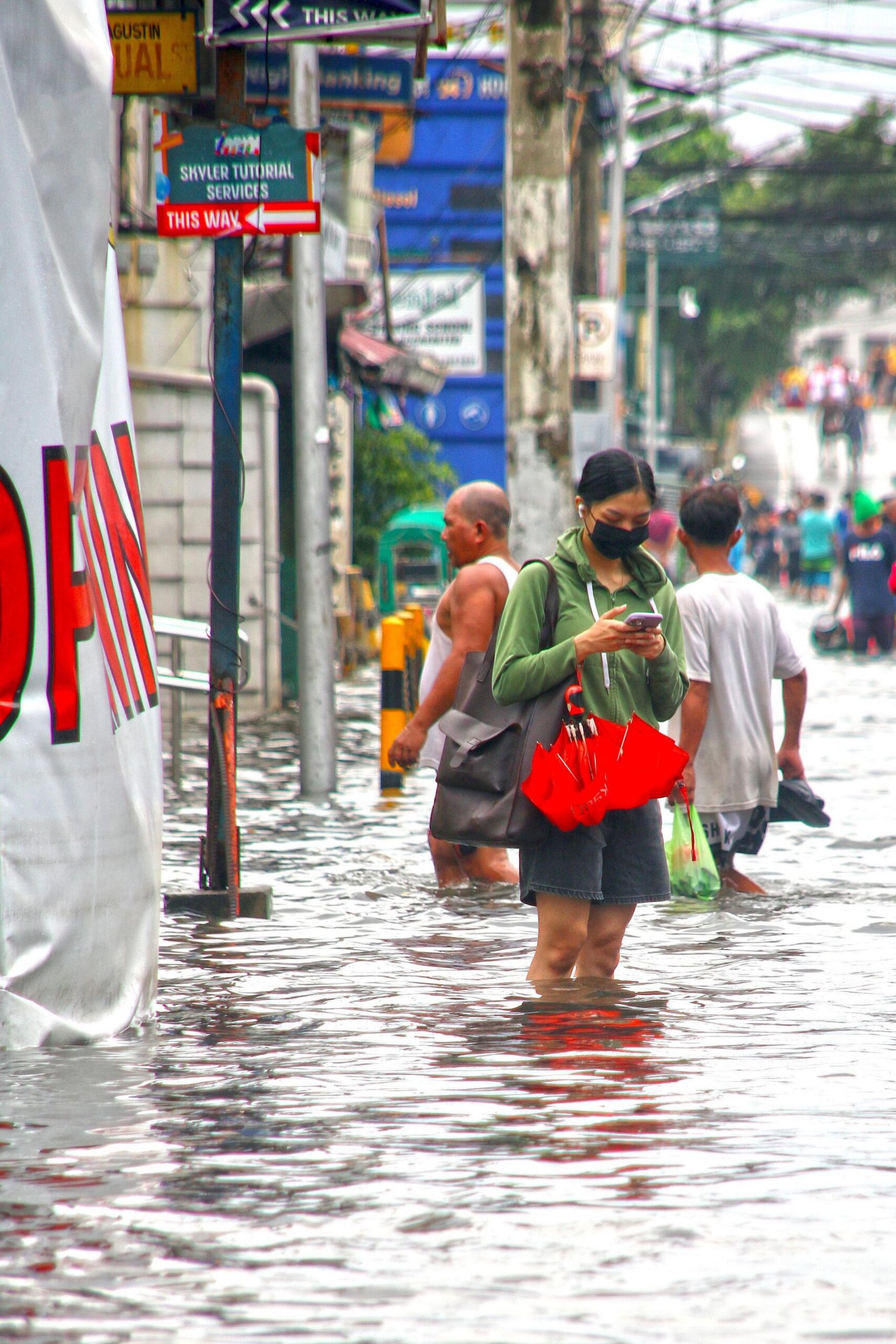
Typhoon Kalmaegi, known locally as Tino, hit the central Philippines on 3–4 November. In the 24 hours before landfall, 183mm of rain fell around Cebu City, well above the area’s monthly average of 131mm.
Floodwater trapped families on their roofs and swept away cars and homes. By 6 November, more than 140 people had died across the Philippines, with 127 missing. Nearly 800,000 people had been moved out of the typhoon’s path.
Then the refrigerator started to float,
Aton, 29, a Cebu resident, speaking to AFP
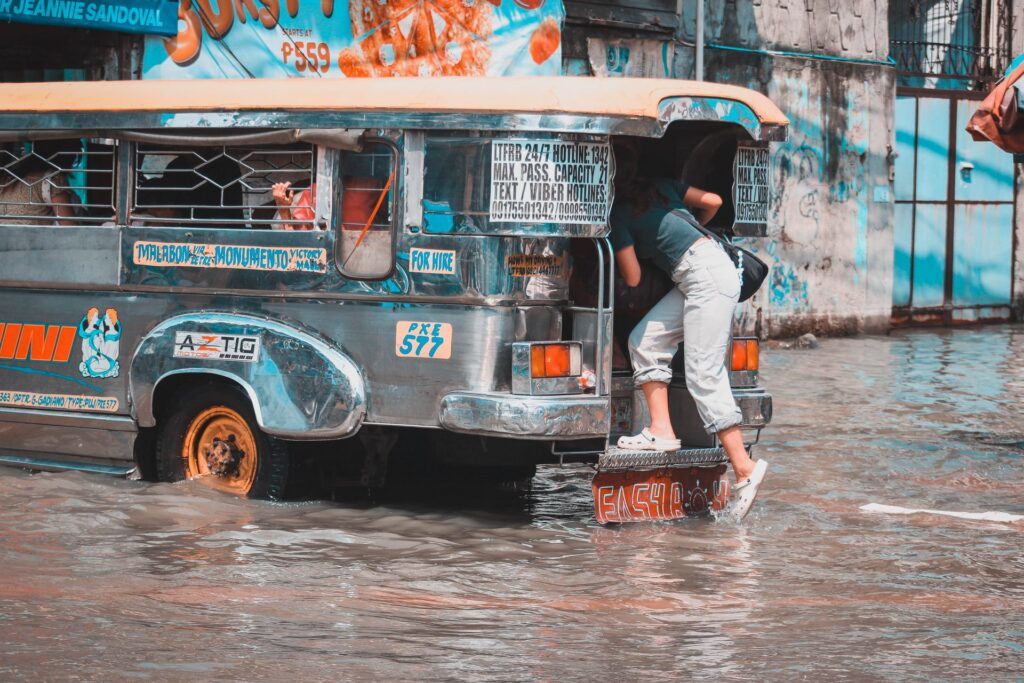
Questions about flood defences
Cebu’s governor called the floods “unprecedented” and linked unusual flooding in some neighbourhoods to a corruption scandal over flood-control projects. Residents pointed to leaky flood defences.
After floods like these, clean water becomes a priority. Pipes break, wells fill with mud, and families in evacuation centres need safe water to drink and wash.
What clean water changes after a typhoon
- Health: safe water in evacuation centres prevents outbreaks.
- Recovery: cleaned wells and repaired pipes let families go home.
- Protection: flood defences that actually work keep water out.
How you can help
Share this story and follow charities supporting typhoon recovery in the Philippines. Tell someone about Cebu’s families as they rebuild.
Source: Arab News / AFP, “Death toll tops 140 as Philippines digs out after Typhoon Kalmaegi”, 6 November 2025; Khaleej Times, November 2025.