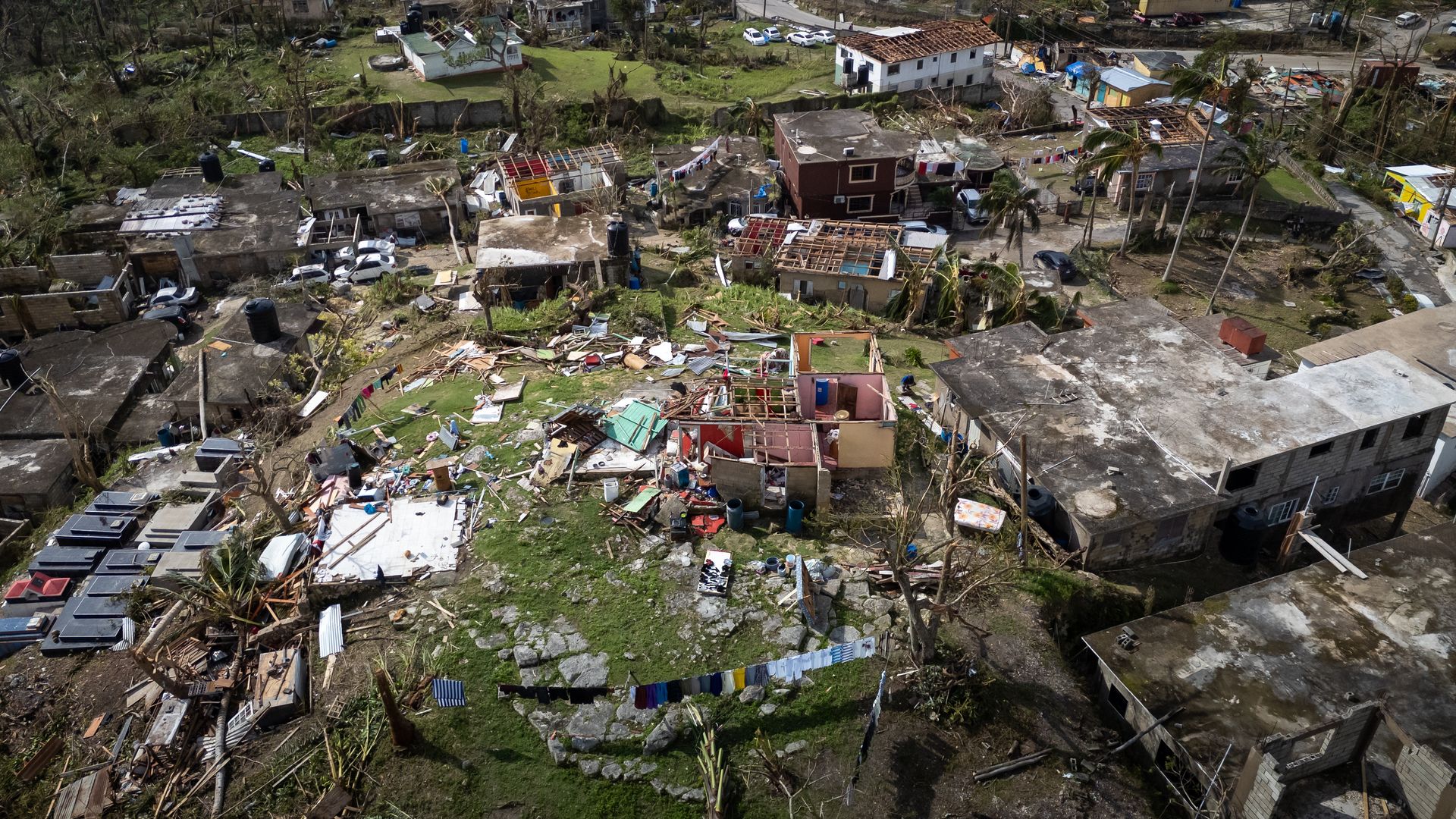
On 28 October, Hurricane Melissa made landfall near New Hope in Jamaica’s Westmoreland parish. With sustained winds of 185 mph, it was the strongest hurricane ever recorded to hit the island.
Western and southern parishes were worst hit. In Black River, which officials called “ground zero”, water rose to 16 feet and washed away homes and cars. More than 70% of electricity customers lost power.
it takes only one landfalling hurricane to wipe out years of development
World Meteorological Organization
When the water system fails
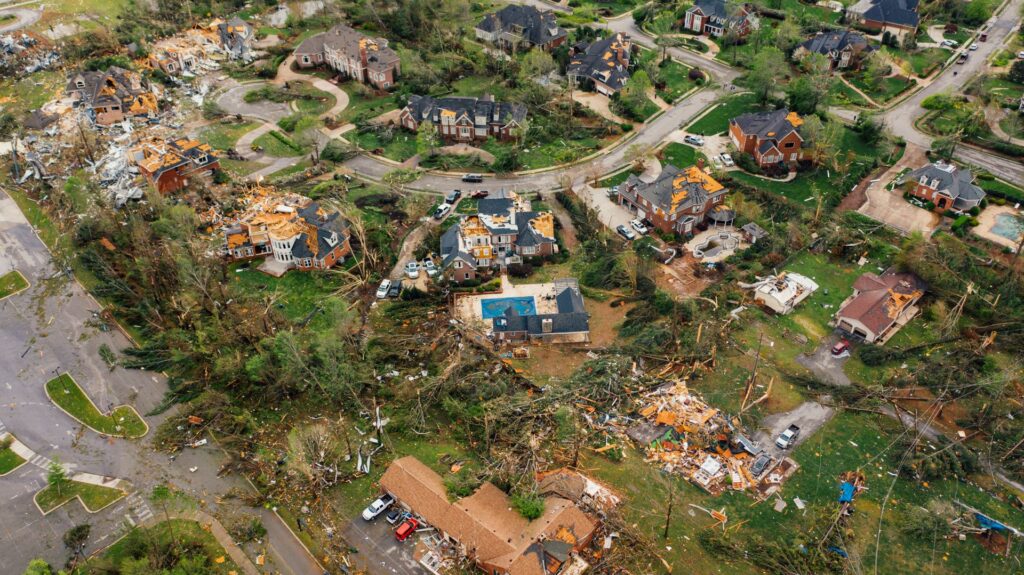
About 70 of Jamaica’s 700 water systems stopped working, and others had cloudy, unsafe water. Before the storm, people had been told to store food and water for two to three days.
After a disaster like this, clean water runs short and disease risk climbs. The government declared the whole island a disaster area and released $150 million from a catastrophe bond set up in advance for recovery.
What clean water changes after a hurricane
- Health: safe water stops outbreaks of disease after flooding.
- Speed: stored and trucked water bridges the gap until repairs.
- Resilience: stronger systems that can survive the next storm.
How you can help
Share this story and check how ready your own home is for a water outage. Follow charities supporting Jamaica’s recovery, and keep the island in mind as it rebuilds.
Source: World Meteorological Organization, “Category 5 Hurricane Melissa hits Jamaica and Caribbean islands”, 28 October 2025; SOCA News, 2025; Netweather, 29 October 2025; Guardian TV Nigeria, 2025.